Skip to content

De facto states research unit

Home

What if you follow the traffic signs but never reach the place due to “foreign” presence, which has lasted already for decades? Get as close as possible, take a spy-glass, climb up to the watch tower and have a look at what is beyond the “no-man’s-land”, behind the barbwire fences and mental barriers. If you are lucky, you might see some anomalous and deviant cases routinely operating on the other side. Furthermore, a constant struggle for survival and recognition do not remain unnoticed to your investigative eyes. Welcome to the world of de facto states! 

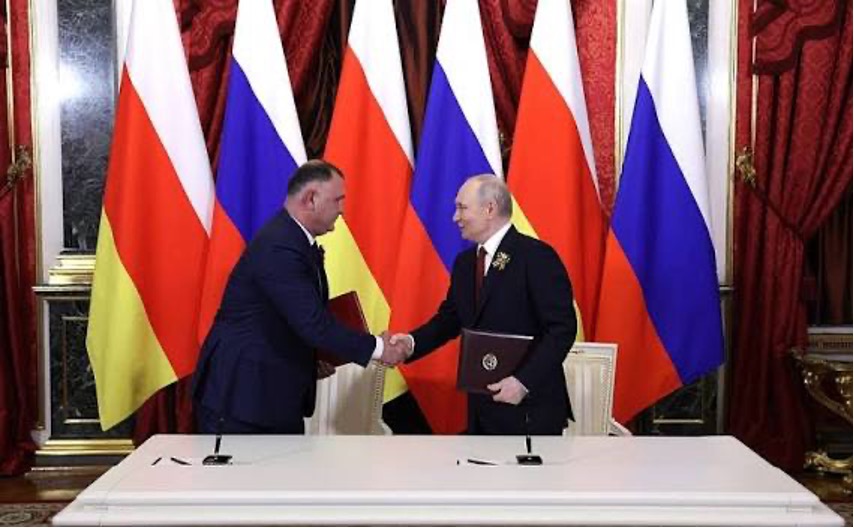
In our view, de facto states are entities that fulfill the Montevideo criteria for statehood, but lack international recognition. We exclude Palestine and Western Sahara, because they do not have full control over their territories. Although Republika Srpska and Iraqi Kurdistan function as de facto independent states, these entities do not explicitly claim to be independent and therefore are left out as well. South Ossetia may have full control over its territory and even some international recognition, but its governance is outsourced and left in the hands of occupying forces.

Why study these places that legally speaking “do not exist”? Due to their geographical location and the stakes involved, these territories hold considerable power as custodians of geopolitical fault lines and they have the potential to disrupt the strategic balance of the entire region and even the international system. One shouldn’t expect to see de facto states disappearing. Quite to the contrary, blurred international norms create favourable conditions for politically inspired interpretations of what is a state and how to become a state. De Facto States Research Unit provides expertise about places that, legally speaking, “do not exist”.

Blog posts

#Blog Posts

How Statelets Die: Lessons from Nagorno-Karabakh

        Five years after the last war between Armenia and Azerbaijan, the traces of Nagorno-Karabakh live on mostly in the peripheries of Armenian life. In Yerevan, the old flags of the vanished de facto entity still flutter …

Read more
#Blog Posts

Parliamentary Elections in Transnistria: Internal and External Dynamics, Including Rising Tensions with Moldova and the Influence of Russia

Elections without choice The parliamentary elections scheduled for 30 November in Transnistria mark the beginning of a year-long electoral cycle that will conclude with the presidential elections in December 2026. Under an oligarchic model of governance, in which key state …

Read more
#Blog Posts

2025 Presidential Elections in Northern Cyprus: Renewed Path to a Solution or Resumption of the Status Quo?

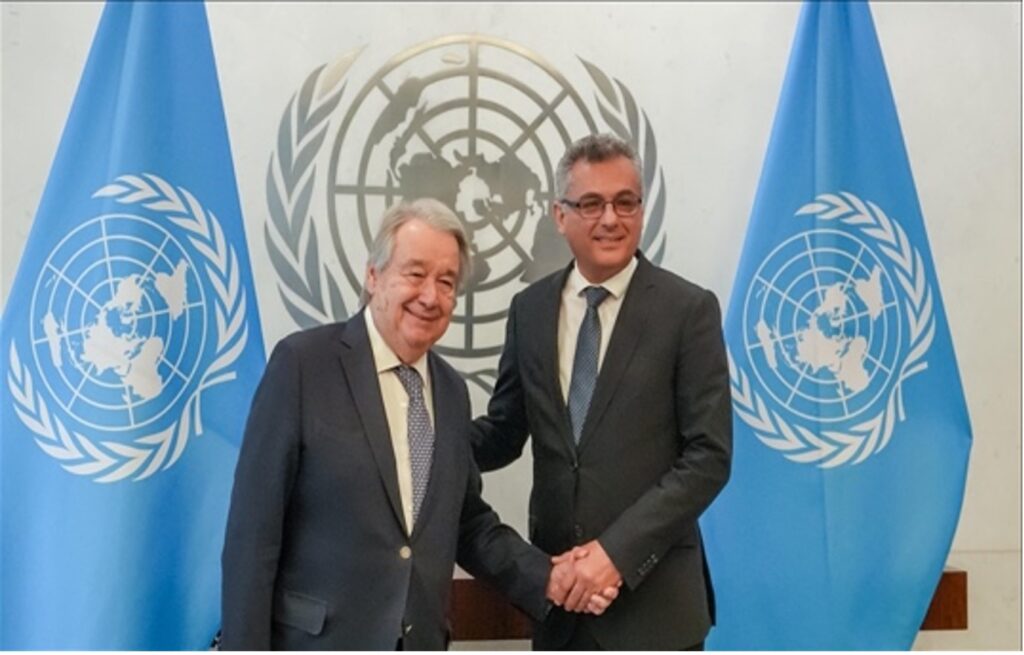
       On 19 October 2025, the Turkish Cypriots went to the polls to elect their new president. As usual, the discussions in the build-up to the elections revolved around where the future of the Turkish Republic of Northern …

Read more

Blog posts by month

Accept Cookies