Twinning on Functional Antimicrobial Surfaces Testing and Evaluation for Real-world Performance and Sustainability (FAST-Real)
Events
26 September 2026: European Researchers’ Night (WP7, T7.1, T7.4)
🔬 FAST-Real at Researchers’ Night 2026 in Tartu
Participants of the FAST-Real project took part in Researchers’ Night 2026, presenting the project as part of the programmes of the Institute of Physics and the Institute of Molecular and Cell Biology at the University of Tartu. 🧪🦠
Visitors were introduced to the FAST-Real concept of giving surfaces of objects in public spaces antibacterial properties by applying photocatalytic nanomaterials. In the future, such surfaces could help deactivate harmful microorganisms, including those resistant to antibiotics.


Next to the project banner, visitors could observe a model of the chaotic movement of a bacterium in the air, demonstrated using a chaotic pendulum. ⚛️

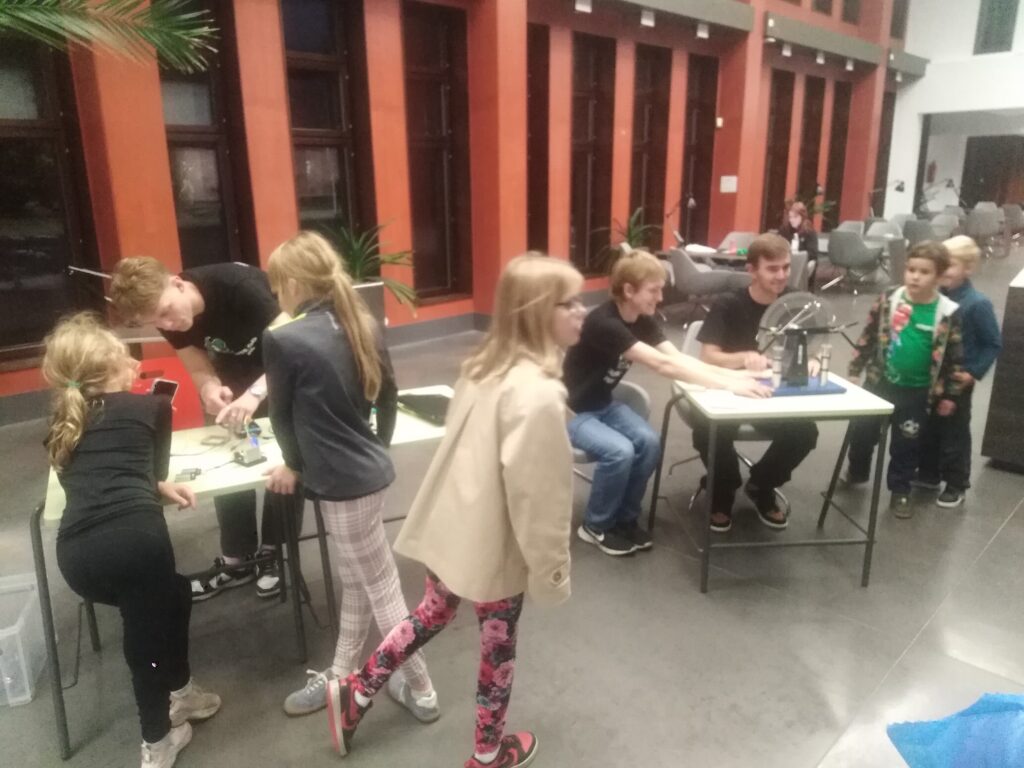
At the Institute of Molecular and Cell Biology, visitors could also test their knowledge of the antibacterial properties of different materials and take part in the educational game “Microbe Patrol.” 👩🔬👨🔬
Children explored which agents can be used to eliminate harmful bacteria, built virus models, and tested the effectiveness of handwashing. 🧼🦠 They also built bacteria models and treated them with an antimicrobial agent — or chose to take their models home.
Impressive scientific theater from Teadusbuss and interesting popular science lectures were realized during the event.
Many thanks to all the visitors, colleagues, and organisers for their interest in science and for the opportunity to share how advanced nanomaterials could contribute to creating safer public spaces! 🌍🔬
📅 More information about Researchers’ Night 2026 programme:
https://ut.ee/et/sisu/tartu-ulikooli-teadlaste-oo-2026
26-28 August 2026: Navigator event – one more step from research to commercialization (WP3, T3.3)
🚀 Navigating the path from science to commercialization
As of August 26, the antimicrobial projects team — Leonid Dolgov, Alexander Vanetsev, and Mariliis Sihtmäe — supported by the European Commission (FAST-Real project) and the Estonian Research Council (TEM-TA project), is taking part in the Navigaator Event, focused on exploring pathways for commercializing scientific developments.
The event is organized by the Entrepreneurship Department of the University of Tartu: Siimeon E. Pilli, Kadri Sundja, Ott Rebane, together with Cristiina Kroon, Reio Praats, Elise Sass, Liis Narusk, and Vomekh Kherkheulidze. The event materials are available here.
🧭 Day 1: learning to navigate an idea toward the market
On the first day, Liis Narusk guided us through the journey from understanding an idea and identifying its potential investor and end user to asking the key question: how useful will this idea actually be? Then Kadri Sundja showed us the different pieces that need to come together to build the commercialization puzzle. 🧩We were also introduced to our mentors: Vomekh Kherkheulidze, Elise Sass, Reio Praats, and Cristina Kroon. After that, participants who needed navigation presented their groups, and we started thinking about how to present our ideas to potential investors.
💡 B2B or B2B2C?
Liis and Vomekh explained that an idea can be implemented either as business-to-business (B2B), where a company gains a direct benefit from adopting the idea, or as business-to-business-to-customer (B2B2C), where the benefit to the business is more indirect, through a new service or product delivered to the end customer.
One of the most useful parts for me was the illustrative validation interview. Liis Narusk interviewed Kadri Sundja to find out how useful Liis’s idea of creating a speaker database could actually be for Kadri. In theory, I already understood that Liis’s strongest value proposition would be one that solves Kadri’s real and urgent problem: finding a competent and charismatic speaker quickly. But initially, I imagined the interview as an unequal interaction: seller–buyer, giver–taker, someone presenting an idea and someone else simply deciding whether to accept it. That understanding changed dramatically when Liis and Kadri demonstrated how both sides can take the initiative during the interview. After all, both participants have their own needs.
🔹 Liis needs a user who can test the beta version of her speaker database.
🔹 Kadri confidently argues that she can find speakers through her own network. But during the conversation, it becomes clear that her network does not always include a speaker with the right expertise or charisma. It is also limited in size and does not update as quickly as a dedicated database. As Vomekh Kherkheulidze pointed out, even Elon Musk can run out of money for something at some point. Understanding Kadri’s needs shifts the initiative back to Liis. Instead of being someone asking others to pay attention to her database idea, she becomes someone whose idea can help Kadri solve a real problem.🎾 And the initiative can switch sides in an instant — sometimes with an exclamation like: “Really? I didn’t say that!” It was fascinating — and extremely useful — to watch the initiative move back and forth between the two participants like a ball in a game.
The 2nd and 3d days of the Navigator programme were dedicated to one of the most challenging — and perhaps most important — questions for researchers and innovators:
💡 What is the actual value of a scientific idea or invention from the perspective of a business customer or end user?
In practice, this meant putting ourselves in the customer’s shoes 👞 and trying to understand:
🔹 What challenges are they facing?
🔹 What is missing in their company or industry?
🔹 What problems are they actively trying to solve?
🔹 And most importantly — how can our know-how, ideas and research help address those needs?
This naturally led us to discussions about different models of cooperation and commercialisation.
🤝 B2B (Business-to-Business) — when a scientific or technological solution is adapted and sold directly to a business customer.
🔄 B2B2C (Business-to-Business-to-Customer) — when a company does not necessarily sell the scientific product itself, but creates a service around it or uses the technology to expand the range of customers benefiting from that service.
We also discussed important questions related to:
⚖️ Value creation and value sharing
🧠 Intellectual property protection
📜 Patents vs. trade secrets
🔓 Defensive publication as a possible IP strategy
One particularly interesting topic raised by Vameh was the concept of defensive publication — deliberately making technical information publicly available in order to create prior art and prevent others from later patenting the same idea.
This is not just a theoretical concept. There are real examples in patent law where publications — including newspaper and magazine articles — have been considered prior art in patent disputes. However, such strategies require careful legal consideration: once information is genuinely made public, it may also affect the inventors’ own ability to obtain patent protection later.
The commercialisation framework proposed to us included several important elements:
📝 A clear and understandable description of the invention
🔍 Validation of the idea with potentially interested companies
🎯 Identification of concrete customer needs
📊 A practical action plan for moving from research to market
The third day was dedicated to turning these ideas into action: refining our plans, preparing presentations and pitching our projects to the participants of the event. 🎤
Perhaps the most valuable piece of advice we received was this: Don’t wait until your idea or research is 100% complete before talking to potential customers. Start discussing its potential value now.
Because there is always a risk that, by the time you have perfected your brilliant solution, you may discover that:
❌ the customer doesn’t actually need it, or
❌ their needs have changed while you were polishing the final results.
💬 Talk early. Listen carefully. Validate continuously.
Scientific excellence and commercial relevance should not be two separate journeys — ideally, they should develop together.


06-09 July 2026: Summer School “Light activated materials for emerging applications in Tartu (WP6, T6.3)
The registration form was closed 01 April 2026. Please contact leonid.dolgov@ut.ee to supplement your details to conference organizers.
Target group: The summer school is targeted primarily to PhD students of material science, chemistry, physics, however also interested MSC students and early career researchers are welcome.
Contents of the summer school: The summer school contains sessions focused on materials synthesis and characterization, photocatalytic assessment and photovoltaics. On the last day of the summer school, lectures and practical exercises to boost the self-development of students will take place. All participating students are expected to send a short abstract of their field of research/interest. During the last day, short presentations from every participants on their topic of research interest are expected (the details will be distributed after registration).
Organizers: Institute of Physics and Institute of Molecular and Cell Biology, University of Tartu and and Laboratory for Thin Film Energy Materials, Department of Materials and Environmental Technology, TalTech. The summer school is organized within and supported by projects FAST-REAL (www.sisu.ut.ee/fast-real), „Cooperation between universities to promote doctoral studies” (2021-2027.4.04.24-0003) is co-funded by the European Union, 5GSOLAR-952509 (https://5gsolar.taltech.ee/) and COST action 21148 (www.cost.eu/actions/CA21148/).
PROGRAM (The school materials can be seen here (left mouse click).)
6th of July (Monday) – Chairperson is Prof. Ilona Oja Acik
Place: Institute of Physics, Ostwaldi 1, room A106, Tartu
11:00 Coffee break and registration of participants
11:20 Opening
TOPIC: MATERIALS SYNTHESIS AND CHARACTERIZATION
11:30 Dr. Ryan Crisp (Friedrich-Alexander University, Germany): Quantum dots for solar cells and photocatalysis: material synthesis, characterization and applications
13:00 Lunch
14:00 Dr. Alexander Vanetsev (University of Tartu, Estonia): Methods of synthesis and chemical design of photocatalytic materials
15:15 Coffee break
15:45 Dr. Marina Kritsevskaja (Tallinn University of Tachnology, Estonia): Environmental applications of photocatalysis: through the net of process limitations”
17:10 Group photo of the School participants
17:15 Laboratory tour at the Institute of Physics, University of Tartu
19:00 Welcome dinner at the Vilde ja Vine restaurant
7th of July (Tuesday) – Chairperson is Prof. Nicolae Spalatu
Place: Institute of Molecular and Cell Biology, Riia 23, Tartu, room 217
TOPIC: MATERIALS SYNTHESIS AND CHARACTERIZATION
9:15 Coffee, gathering, registration of the rest of participants
9:45 Dr. Anatolijs Šarakovskis (University of Latvia, Latvia): Structure, optical properties and functional applications of light-activated materials
10:45 Dr. Andris Antuzevics (University of Latvia, Latvia): EPR spectroscopy of light-activated materials and phenomena
12:00 Lunch
13:00 Dr. Rainer Pärna (University of Tartu, Estonia): Application of Synchrotron Radiation in Materials Research
14:00 Dr. Mika Huuhtanen (Universitu of Oulu, Finland): Photocatalytic reactors and surfaces
15:30 Recreational activity: excursion to the Estonian National Museum (Muuseumi tee 2 60532 Tartu)
18:00 End of the day
8th of July (Wednesday) – Chairperson is Prof. Vambola Kisand
Place: Institute of Molecular and Cell Biology, Riia 23, Tartu, room 217
TOPIC: PHOTOCATALYSIS
09:00 Dr. Wei Cao (University of Oulu, Finland): Heterogenous semiconductor photocatalysis for hydrogen evolution from a physicist’s viewpoint
10:30 Coffee break
10:45 Dr. Andres Galdamez Martinez (University of Oulu, Finland): Toward high-efficiency water splitting: optimization of photocatalytic membrane systems
11:45 Dr. Christopher Howard Don (Tallinn University of Technology, Estonia): Thin-Film Photovoltaics: Interpreting Device Behaviour from I–V Measurements
13:00 Lunch
TOPIC: PHOTOVOLTAICS
14:00 Dr. Robert Hoye (University of Oxford, UK). Indoor Photovoltaics – Materials Systems, Opportunities and Regulations
15:30 Coffee break
15:45 Dr. Maxim Guc (Institut de Recerca en Energia de Catalunya, Spain): Application of AI-Driven Approaches to Advanced Materials Characterization in Photovoltaics
17:15 Poster session
19:00 End of the day
9th of July (Thursday) – Chairperson is Prof. Angela Ivask
Place: Institute of Molecular and Cell Biology, Riia 23, Tartu, room 217
9:00 Maarja Pajusalu (Institute of Computer Science, University of Tartu): Theoretical and practical introduction to good presenting skills
10:20 Kadri Jurs (University of Tartu career office): Theoretical and practical introduction to self presentation and career interview
12:20 Fast break
12:30 Dr. Mika Huuhtanen (University of Oulu, Finland): Research Ethics and Good Scientific Practices
13:15 Lunch
14:15 Student short presentations, posters session
17:30 Closing ceremony
Summer School 2026 “Light activated materials for emerging application” started in Tartu 06 July 2026 and hosted 50 participants (34-men, 16-women) both from Estonian and foreign universities (see the above mentioned program)!

Beginning of the Summer School participants registration.
🎉School was opened by Prof. Angela Ivask, who briefly introduced the main themes and program of the event dedicated to cutting-edge research on light-activated functional materials. The scientific sessions then continued with lectures chaired by Prof. Ilona Oja Acik.
✨Highlights of the scientific programme included:
🔬 Ryan Crisp — quantum dot–based solar cells and photocatalysis, including materials synthesis, characterization, and applications in next-generation photovoltaics.

Opening by Prof. Angela Ivask

Chair person Prof. Ilona Oja Acik: talk of Prof. Rayan Crisp
🧪 Alexander Vanetsev — methods for the synthesis and chemical design of photocatalytic materials, and how synthesis routes influence material performance.

Talk of Prof. Alexander Vanetsev
🌍 Marina Krichevskaya — environmental applications of photocatalysis, with a focus on air and water purification and environmental remediation.
☕ The day also featured lively discussions, networking during coffee breaks, and excursion to the Institute of Physics labs, where researchers talked about their work and established new interdisciplinary connections.
🔬 Day 2 of the Summer School 2026 “Light-Activated Materials for Emerging Applications” was packed with inspiring lectures and interdisciplinary discussions!
🌈 Anatolijs Šarakovskis introduced participants to the fascinating world of photochromic materials, covering their characterization methods and a wide range of applications—from smart privacy windows to luminescent writing, optical marking, and anti-counterfeiting technologies.
🧲 Andris Antuzevics presented the power of Electron Paramagnetic Resonance (EPR) spectroscopy for the characterization of luminescent and photocatalytic materials, demonstrating how this technique provides unique insights into defects and paramagnetic centers.

Lecture of Prof. Anatolijs Sarakovskis

Lecture of Prof. Andris Antuzevics
💡 Rainer Pärna shared the remarkable capabilities of synchrotron radiation and the advanced analytical methods it enables. Participants also learned how large-scale multi-user synchrotron facilities bring together researchers from diverse scientific disciplines who compete for beamtime to investigate the structure and properties of their materials using these world-class research infrastructures.
⚗️ Mika Huuhtanen delivered a comprehensive lecture on the design requirements of modern photocatalytic reactors and their applications, ranging from laboratory research to industrial-scale processes.

Talk of Prof. Rainer Pärna

Talk of Prof. Mika Huuhtanen
🏛️ The day concluded with a visit to the Estonian National Museum, where participants discovered not only Estonia’s rich cultural heritage but also how advanced materials characterization techniques contribute to the reconstruction and preservation of ancient archaeological artifacts.
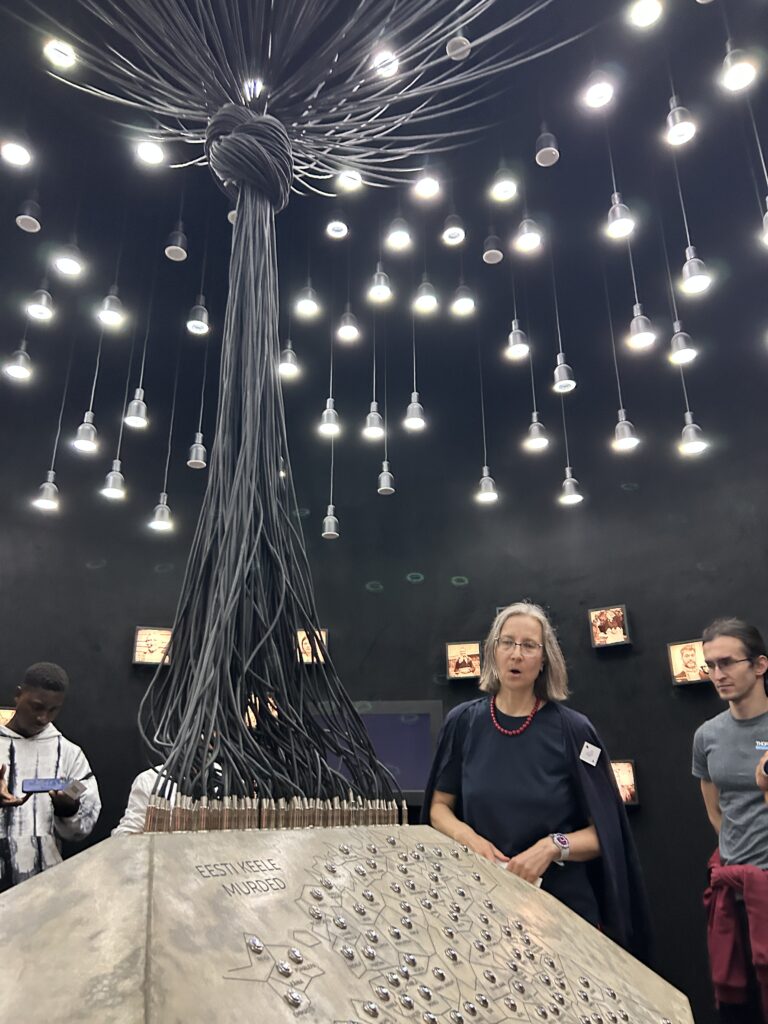
Some of Summer School participants during the excursion in the Estonian National Museum.
Another exciting day of learning, networking, and discovering how advanced materials research connects physics, chemistry, engineering, and cultural heritage!
☀️ Day 3 of the Summer School 2026, 08 July 2026 “Light-Activated Materials for Emerging Applications” focused on cutting-edge materials for sustainable energy and next-generation photovoltaics.
💧 The day began with a lecture by Wei Cao (University of Oulu), who introduced participants to photocatalysis and nanomaterials for photocatalytic water splitting aimed at sustainable hydrogen production.
🔬 Continuing this theme, Andrés Galdámez Martínez discussed the use of nanopowders and polymer membranes for photocatalytic water splitting, highlighting recent advances in materials design and reactor concepts for efficient hydrogen generation.

Talk of Prof. Wei Cao

Talk of Prof. Christopher Howard Don
🌞 The afternoon session opened with Christopher Howard Don (TalTech), who presented modern approaches to the fabrication and characterization of thin-film solar cells, providing valuable insights into device development and performance evaluation.
⚡ One of the highlights of the day was an outstanding keynote lecture by Robert L.Z. Hoye from the University of Oxford, who reviewed the latest generation of semiconductor materials designed to compete with silicon in indoor photovoltaic applications. His presentation sparked lively discussions and numerous questions, particularly regarding the standardization of testing protocols and performance metrics for indoor energy-harvesting devices.

Talk of Prof. Robert L. Z. Hoye

Talk of Prof. Maxim Guc
🤖 The lecture programme concluded with Maxim Guc, who demonstrated how machine learning is transforming the optimization of semiconductor materials for solar cells. As many new material systems require extensive synthesis and characterization campaigns, AI-driven analysis of large datasets—including optical spectra—is becoming an increasingly powerful tool for accelerating materials discovery.

Summer School participants at the poster session

One of discussions during the poster session
📌 The day finished with an engaging poster session, where PhD students presented their latest research results. The lively and informal discussions created an excellent atmosphere for exchanging ideas, establishing new collaborations, and planning future joint research projects.
Another inspiring day demonstrating how advanced materials research brings together chemistry, physics, engineering, data science, and artificial intelligence to address the energy challenges of tomorrow.
🎓 Day 4 – The Grand Finale of Our Summer School (July 9)
The fourth and final day of our Summer School focused on developing participants’ soft skills – an essential complement to scientific excellence.
📊 Maarja Pajusalu 💫shared practical insights into creating impactful presentation slides, using artificial intelligence to support presentation design, and selecting effective ways to visualize research data.
💼 Kadri Jurs highlighted the importance of personal branding and successful career interviews. Participants immediately put the advice into practice through employer- candidate role-play sessions in small groups. They learned how to confidently present themselves, overcome excessive modesty, showcase experiences that best match employers’ expectations, and demonstrate their willingness to develop new competencies when facing new professional challenges.

Talk of Maarja Pajusalu

Answering the questions during the talk of Kadri Jurs
As Nicolae Spalatu aptly noted during the discussion, a successful interview helps an employer understand the unique value a new team member can bring to the organization – something a manager can look back on with pride one or two years later.
⚖️ Mika Huuhtanen presented the principles of research ethics, emphasizing that scientific work should ultimately contribute to the advancement of science and benefit society.

Talk of Prof. Mika Huuhtanen about research ethics

During the students’ pitching session
An engaging discussion followed, during which Vambola Kisand raised an important question about self-plagiarism. Researchers often face the challenge of describing the same experimental setup across multiple publications. One possible solution is to provide a detailed description in a single publication and reference it in subsequent papers. However, this approach introduces extensive self-citation, leaving the broader question of best practices still open for discussion.
🎤 The day concluded with a 3-minute pitching session, where doctoral students practiced presenting the key ideas of their research clearly, concisely, and convincingly.

Group photo of Summer School participants
🙏 We sincerely thank all participants for their enthusiasm, active engagement, and perseverance – especially on the days when heavy rain accompanied the journey to the venue.
🤝 We look forward to staying connected, developing new collaborations, and making exciting discoveries together!
11-12 June 2026: Surface Transfer of Pathogens. Combined knowledge exchange seminars on antimicrobial efficacy and antimicrobial resistance (WP6, T6.4, T6.6)
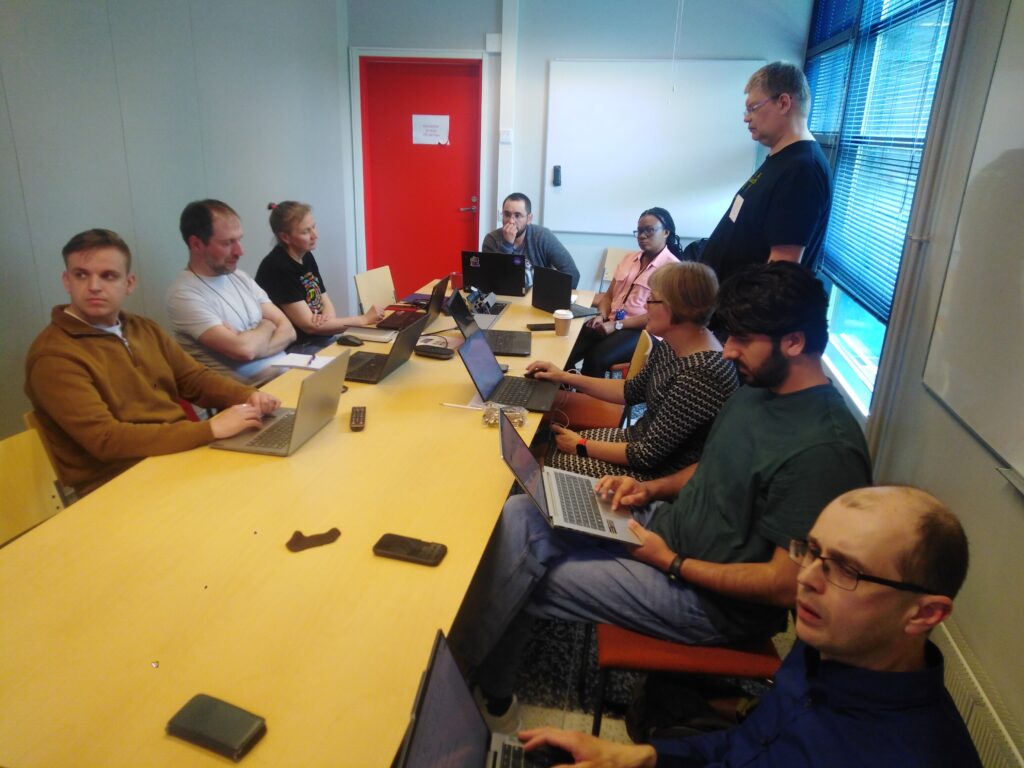
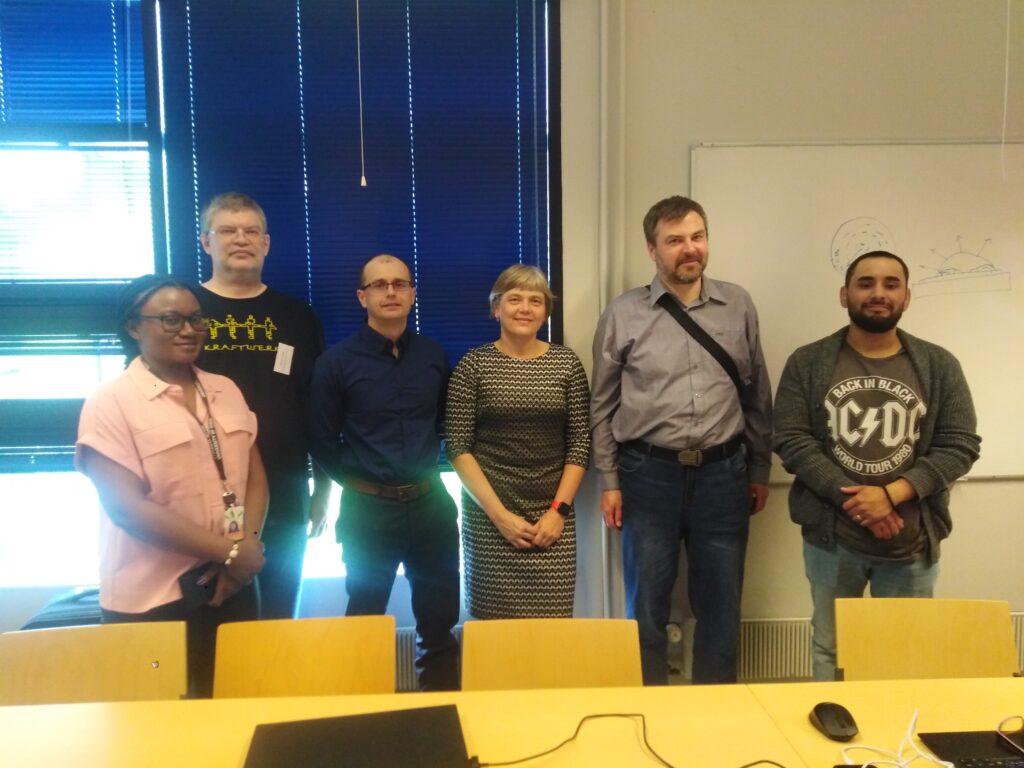
The seminar was held in-person at the Institute of Molecular and Cell Biology, University of Tartu (Riia 23). It brought together 42 researchers (26 women and 16 men) working on antimicrobial materials, biological testing methodologies, antimicrobial efficacy evaluation, and mechanisms of antimicrobial resistance. The event provided an excellent opportunity for knowledge exchange between experts from the fields of materials science, molecular and cell biology, and applied research.
The seminar also served as a valuable platform for knowledge transfer, especially as it enabled researchers involved in both the FAST-Real and STOP projects to share their experience. This significantly expanded both the pool of speakers and the audience.
The seminar program is available here. Below is a brief overview of the presentations of the key speakers.
Carolina Bernardino (Federal Institute for Materials Research and Testing, Germany) presented the development and optimisation of antimicrobial coatings based on mesoporous silica nanoparticles. The work focused on improving adhesion of nanoparticle-containing coatings to surfaces while maintaining antimicrobial activity after mechanical stress. Different adhesion layers were tested, including polymer-based and water-glass approaches, with evaluation of abrasion resistance, antimicrobial activity, antiviral properties, and cytotoxicity. The results showed that coating formulation strongly influences both durability and biological performance. Several promising systems demonstrated antimicrobial activity while maintaining acceptable compatibility with mammalian cells under tested conditions.
Mihyun Lee (Swiss Federal Laboratories for Materials Science and Technology, Switzerland) presented progress from EMPA on advanced antimicrobial efficacy testing methods and biological evaluation of antimicrobial coatings. The presentation highlighted the importance of developing reproducible testing approaches that allow reliable comparison of different antimicrobial surfaces. Current activities include further investigation of mechanisms of action and optimization of experimental protocols.

Merja Ahonen (Satakunta University of Applied Sciences, Finland) presented results from real-life testing of the efficacy of antimicrobial surface coatings performed in elderly care facilities in Finland. The approach aims to assess whether antimicrobial coatings can provide measurable benefits under realistic operating conditions. Preliminary results showed differences in bacterial loads between intervention and control areas, while further monitoring is ongoing.

Angela Ivask (Institute of Molecular and Cell Biology, University of Tartu, Estonia) presented ongoing activities related to antimicrobial testing, virus transfer studies, environmental effects of antimicrobial surfaces, and microbiome analysis approaches. One focus was the development of improved methods for evaluating virus transfer from antimicrobial surfaces under different humidity conditions. The presentation also addressed challenges related to analysing microorganisms on real-life surfaces, where biomass levels are often low and contamination control becomes critical. The importance of appropriate sampling strategies, DNA-based analysis, and reliable controls was emphasised. These approaches support better understanding of how antimicrobial materials perform outside laboratory conditions.

Lucia Mallen Huertas (Institute of Molecular and Cell Biology, University of Tartu, Estonia) presented studies of bacterial communities developing on real-life surfaces using microbiome analysis approaches. The work focused on applying DNA-based methods, including 16S rRNA gene analysis, sequencing, quantitative PCR, and bioinformatics tools to characterise microbial communities. A major challenge highlighted was the low biomass typically obtained from environmental surface samples, requiring careful concentration procedures and appropriate negative controls. The workflow included sample filtration, DNA extraction, sequencing, and computational analysis of microbial diversity. The results emphasised that reliable interpretation of real-life microbiome data requires careful experimental design and contamination.

Niclas Nordholt (Federal Institute for Materials Research and Testing, Germany) presented work related with evaluation of antimicrobial coatings, including assessment of activity against microorganisms and investigation of factors influencing test variability. Particular attention was given to understanding how antimicrobial surfaces interact with bacteria and how experimental conditions influence measured performance. The work contributes to establishing reliable approaches for comparing different antimicrobial technologies. These activities support the broader objective of developing scientifically validated antimicrobial surface solutions.

The seminar successfully fostered interdisciplinary collaboration and knowledge exchange among leading experts in antimicrobial surfaces. By bringing together researchers from the FAST-Real and STOP projects, the event significantly strengthened synergies between the two initiatives and contributed to the advancement of sustainable antimicrobial solutions. We look forward to building upon the valuable discussions and partnerships established during these two productive days.
03-06 June 2026: Administrative secondment from University of Tartu, Estonia to University of Oulu, Finland (WP2, T2.1, WP 4, T4.3)
Seconded persons: Angela Ivask, Vambola Kisand, Rainer Pärna, Leonid Dolgov
As the UTARTU team, together with project partners, is planning the preparation and submission of an ERC grant proposal, participation in theERC Days at the University of Oulu was included in the secondment program. The event was organized jointly by the University of Oulu partners (Marko Huttula, Wei Cao, Monika Luukkonen) and European funding experts, including Janne Salo. Materials of the event are accessible also here.
04 June 2026
The first day of the visit started with participation in the ERC Days seminars.
A particularly valuable insight was provided by Janne Salo, who explained that although ERC grants are formally part of the Horizon Europe framework, their underlying philosophy differs significantly from most Horizon Europe funding schemes. While Horizon Europe projects are typically based on a top-down approach, addressing predefined European priorities and expected societal impacts, ERC grants follow a bottom-up approach driven by researchers’ own breakthrough scientific ideas. The research concept serves as the foundation around which the project structure is developed, including the selection of the host institution, formation of the research team, and development of the required infrastructure.


The discussions highlighted that, in ERC evaluations, the researcher’s profile, scientific vision, and team cohesion are considered as important as the research idea itself. Therefore, the personal interview stage represents a crucial component of the evaluation process.
Monika Luukkonen presented the support mechanisms provided by the University of Oulu for ERC applicants, including institutional assistance throughout different stages of the proposal preparation process. Both on the first and second days, the seminars were complemented by panel discussions with current and recently successful ERC grant holders from the Universities of Oulu and Tampere. These discussions provided valuable practical insights into proposal preparation and project implementation. In particular, participants learned about the importance of preparing for unexpected interview questions and carefully considering how different members of the project team can contribute during the ERC interview.
Following the ERC sessions, the UTARTU team participated in a Management Level Meeting with representatives of the NANOMO research unit: Matti Alatalo, Mika Huuhtanen, and Marko Huttula. Matti Alatalo introduced the governance structure of the University of Oulu, the academic career evaluation system, and approaches to supporting doctoral researchers. The discussion highlighted the highly structured and feedback-oriented nature of PhD supervision at the University of Oulu, including regular progress monitoring and mechanisms supporting timely completion of doctoral studies. Participants exchanged experiences on internationalisation of doctoral education, industrial PhD models, and differences between doctoral training systems at the University of Oulu and the University of Tartu.

(More detailed information about the meeting: here)
The day continued with a meeting at the Innovation Center of the University of Oulu, hosted by its Director Jouko Uusitalo. He presented the Innovation Center’s role in supporting research commercialisation, including industry partnerships, intellectual property management, patent analysis, and technology transfer processes. The discussion demonstrated that successful innovation pathways depend not only on patents and formal support structures, but also on long-term relationships with industry partners and continuous integration of research results into collaborative projects.

Participants also exchanged experiences regarding Business Finland-funded activities, spin-off development, and challenges associated with transforming low-TRL research results into industrial applications.
(More detailed information about the meeting: here)
05 June 2026
The second day continued with panel discussions involving ERC grant holders, who shared their personal experience in preparing and managing ERC-funded projects.

The UTARTU team also participated in laboratory tours, providing an opportunity to learn more about ongoing ERC-funded research projects, including:
- BiNet project led by Caglar Elbuken
https://www.oulu.fi/en/projects/particle-distribution-dynamics-nonlinear-bifurcating-networks-binet - GERACLE project led by Ilya Usoskin
https://www.oulu.fi/en/projects/erc-synergy-grant-geracle
The laboratory visits provided a deeper understanding of ERC project implementation, research infrastructure, and the practical organisation of high-level interdisciplinary research activities.
The remainder of the day was dedicated to strengthening educational and research collaboration between the University of Tartu and the University of Oulu. The team met with Jarmo Pulkkinen to discuss and plan the participation of Tartu students in his course on research ethics at the University of Oulu.
In addition, an extensive discussion was held with Wei Cao, Andres Galdamez Martinez, Velma Kimbi Yaah, and UTARTU early career researchers, who were that time conducting research at the NANOMO unit (Alexandra Nefedova, Aadil Shafi Bhat, Mati Kook, and Jan Erik Tõnson) regarding ongoing research results and preparation of a joint scientific publication.
Outcomes and impact of the visit
- Strengthened ERC proposal preparation capacity through direct participation in ERC Days and discussions with ERC grant holders, gaining insights into evaluation criteria, interview process, and successful proposal strategies.
- Improved understanding of research management and doctoral education systems at the University of Oulu, including PhD supervision models, career evaluation frameworks, and internationalisation practices.
- Enhanced knowledge of research commercialisation and industry collaboration mechanisms, including Innovation Center services, IP management, technology transfer, and Business Finland–supported cooperation.
- Strengthened institutional and research collaboration between the University of Tartu and the University of Oulu, including new joint activities in teaching, research cooperation, and preparation of a joint scientific publication.
May-June 2026: Career interviews with project staff (WP4, T4.5)
As part of the FAST-Real activities aimed at supporting the professional development and career planning of project staff, individual career interviews were conducted with members of the University of Tartu research team. The interviews provided an opportunity to discuss the researchers’ professional development, skills, experience and possible future career directions in the context of their current research activities.
Three members of the research team participated in the career interviews: Mati Kook, Harleen Kaur and Cristina Durante Cruz.
Mati Kook is a Research Fellow in Materials Science at the Institute of Physics, University of Tartu. His work combines experimental materials research with practical development and implementation of measurement setups. Within the FAST-Real activities, he has contributed to the development and practical implementation of experimental approaches for the preparation and evaluation of functional and photocatalytic surfaces. His experience illustrates the importance of hands-on experimental and technical skills in interdisciplinary materials research. Kook has also contributed to research on the durability and photocatalytic and antibacterial performance of surface coatings.
Harleen Kaur is a doctoral researcher at the Institute of Molecular and Cell Biology, University of Tartu. Her research focuses on antimicrobial materials and their performance on hard surfaces and textiles. She has contributed to collaborative research on antimicrobial and photocatalytic surface coatings, providing an example of an interdisciplinary research career combining microbiology, materials science and the evaluation of functional surfaces.
Cristina Durante Cruz is a Research Scientist in the Microbe & Material Interactions Research Group at the University of Tartu. Her research background includes microbial biofilms and the evaluation of antimicrobial effects of materials. Within FAST-Real, she has participated in research and training activities related to the development and application of experimental biofilm models for the evaluation of antimicrobial surfaces, including a research visit to EMPA focused on hands-on training in biofilm testing methodologies.
The career interviews were conducted individually by the respective supervisor/manager. The discussions addressed individual professional development and career-related matters. In accordance with the confidential nature of such discussions, individual career aspirations and other personal information are not included in this report. The interviews are documented by internal records maintained by the project team.

Career interview conducted with Mati Kook.
25 May-10 June 2026: Hands-on training of seconded early career researchers from the University of Tartu at the University of Oulu, Finland (WP6, T6.2)
The seconded early career researchers Alexandra Nefedova, Aadil Shafi Bhat, Mati Kook, and Jan Erik Tõnson carried out practical training in the fabrication of polymer membranes from two different types of polymers, as well as in the incorporation of zinc indium sulfide nanoparticles into these matrices. They also performed measuments of the microstructure of the obtained films (SEM), measurements of light absorption, photocatalytic activity of the composites, and photodegradation of the herbicide 2,4-D (2,4-dichlorophenoxyacetic acid).


It was observed that the nanoparticles exhibit different dispersion behaviour depending on the polymer matrix, which appears to influence their photocatalytic performance in the membranes. For some polymer systems, a significant colour change was detected, which may be associated with partial leaching of nanoparticles from the membranes and therefore requires further investigation.

The early career researchers actively participated in the experiments and discussion of the results, and contributed to the preparation of the data for a joint scientific publication.
26 March 2026: online seminar Capacity building and knowledge exchange in research management (WP2, T2.1)
The event attracted 63 online participants (38 – women, 25 – men), demonstrating strong interest in strengthening research management capacity and improving understanding of Horizon Europe project implementation practices. Seminar materials are available here.
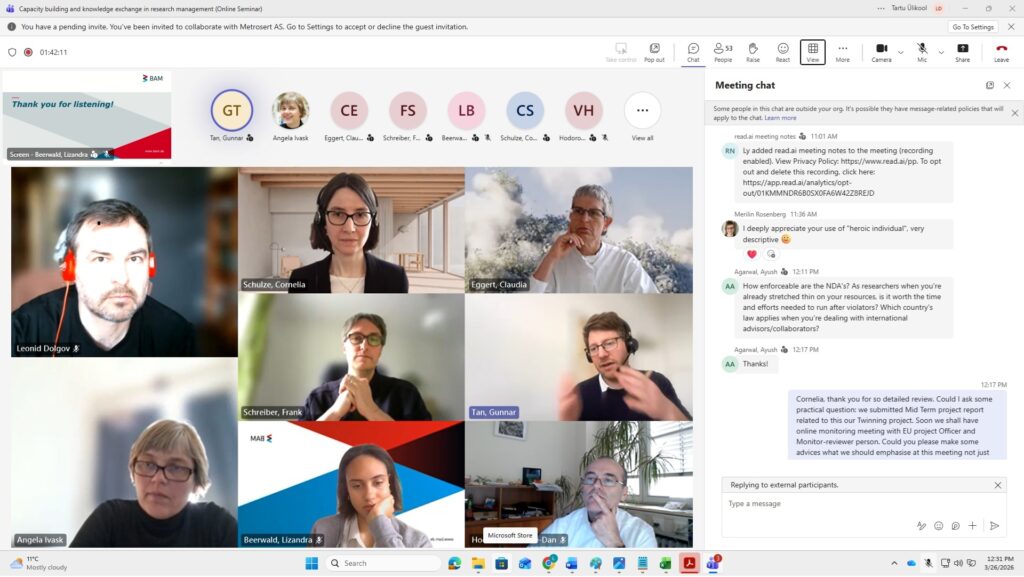
The seminar presented how Germany’s Federal Institute for Materials Research and Testing (BAM) supports and manages international research projects through structured research coordination and administration. The program highlighted BAM’s strategic approach to research management, including its research strategy cycle, internationalization activities, and institutional support mechanisms facilitating the acquisition and implementation of third-party funded projects. Participants gained practical insights into budgeting, reporting requirements, workload management, contracting procedures, and risk mitigation strategies in international collaborative projects. Particular attention was paid to the interaction between research coordination, research administration, and scientific leadership, demonstrating how institutional support structures contribute to successful project implementation.
The discussion session was lively and interactive, addressing practical questions frequently encountered in EU-funded projects. Participants discussed the enforceability of NDAs in international collaborations, legal jurisdiction aspects when working with multinational partners, and practical approaches to preparing for monitoring meetings with EU Project Officers. Special attention was given to managing deviations from planned work and presenting clear and well-structured justifications during project reviews. The discussion also highlighted the balance between structured institutional support and the continued importance of individual initiative in complex collaborative environments.
The seminar programme included presentations from experienced practitioners in research coordination and administration:
- Dr. Claudia Eggert, Member of the Presidential Board at BAM, presented how research coordination contributes to the development and implementation of institutional research strategies, as well as mechanisms supporting international cooperation and participation in EU funding programmes.
- Cornelia Schulze and Lizandra Beerwald provided practical insights into administrative support for third-party funded projects, including financial planning, grant management procedures, and reporting requirements.
- Dr.-Ing. Vasile-Dan Hodoroaba, Head of Division at BAM, shared lessons learned from coordinating international EU-funded projects, focusing on practical challenges, communication with funding agencies, and sustainable workflows in multi-partner consortia.
The event provided an opportunity for exchange of experience between research managers, administrative staff and researchers involved in supporting the full project lifecycle, from proposal preparation to project implementation and reporting. The strong participation confirms the relevance of structured knowledge exchange on research management practices and highlights continued demand for capacity-building activities supporting international research collaboration. The seminar contributes to the Twinning project WP2 objectives aimed at strengthening institutional competence in research management, improving support for participation in Horizon Europe, and fostering sustainable international cooperation networks.
17 February 2026: online workshop: Training on Translation of Science into Practice (WP 3, T3.2)
The FAST-Real online workshop brought together 31 participants (15 – women, 16 – men) to discuss practical pathways for translating research results into real-world applications, with a particular focus on spin-off creation and institutional support mechanisms. The seminar materials are accessible here.
The session was opened by BAM researcher Paul-Alejandro Gomez-Coronado, who outlined the objectives of the workshop and framed the discussion around concrete tools, structures, and experiences that enable effective technology transfer.
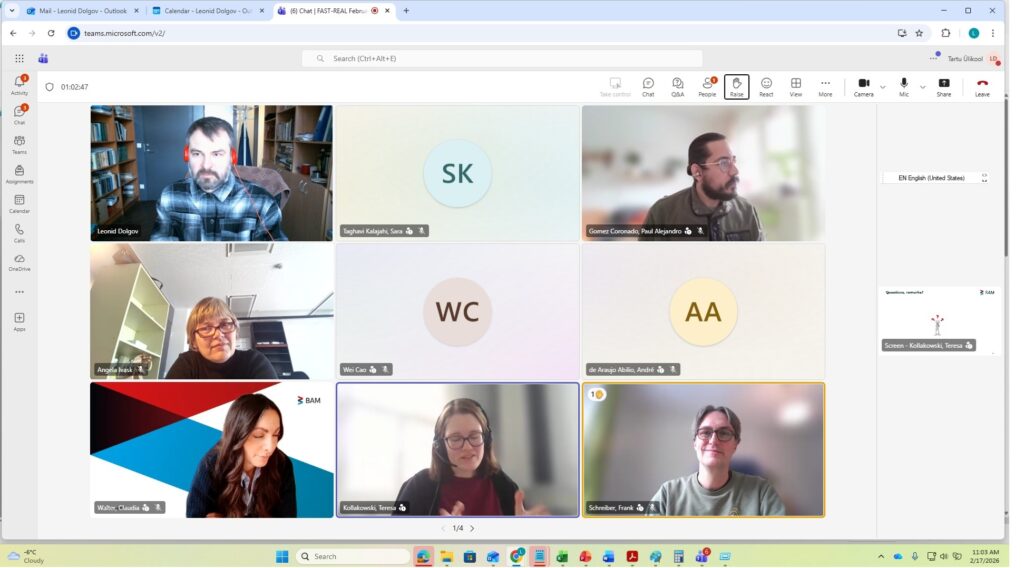
Theresa Kollakowski (Research Coordination and Transfer, Federal Institute for Materials Research and Testing) presented BAM’s support ecosystem for industry collaboration and start-up development. Drawing on her academic background at Humboldt University of Berlin and previous roles at Friedrich Schiller University of Jena and Freie Universität Berlin, she outlined internal and external funding instruments, advisory services, and coordination formats that guide researchers from project idea to transfer. The presentation covered national joint industry funding schemes as well as BAM’s internal funding lines (“People” and “Ideas”), which support early-career researchers, international mobility, proof-of-concept development, and collaboration with industry partners.
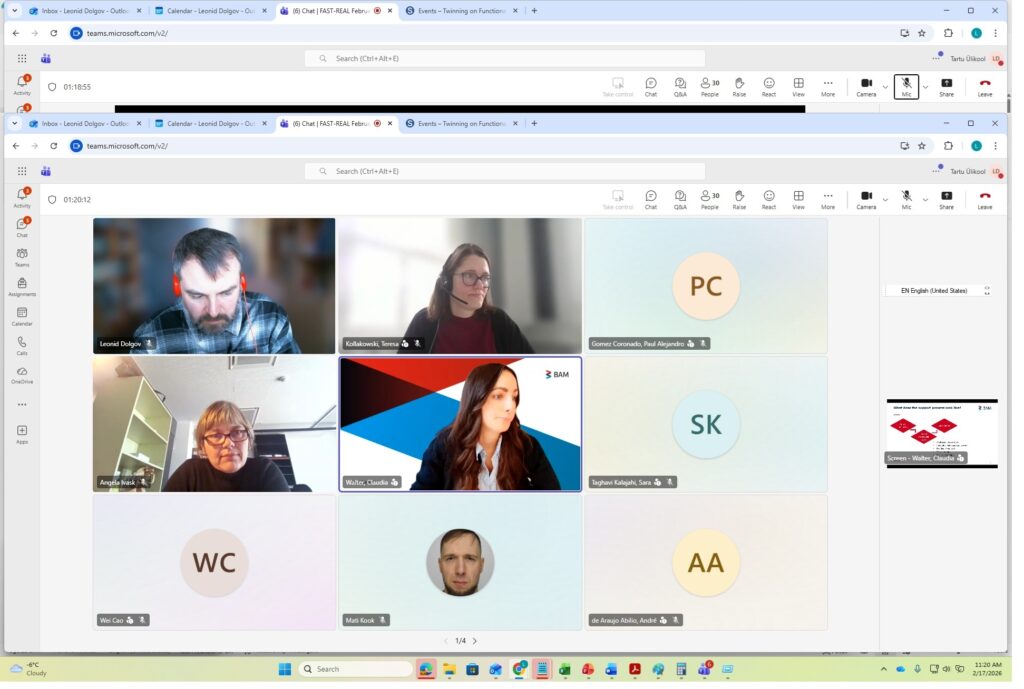
Legal and contractual aspects of spin-off formation were addressed by Claudia Walter (Research Service Division, BAM). A graduate of HTW Berlin, she described the BAMSlingshot initiative and explained the role of structured IP arrangements, non-disclosure agreements, R&D contracts, and dedicated spin-off agreements in mitigating risks and ensuring institutional clarity.
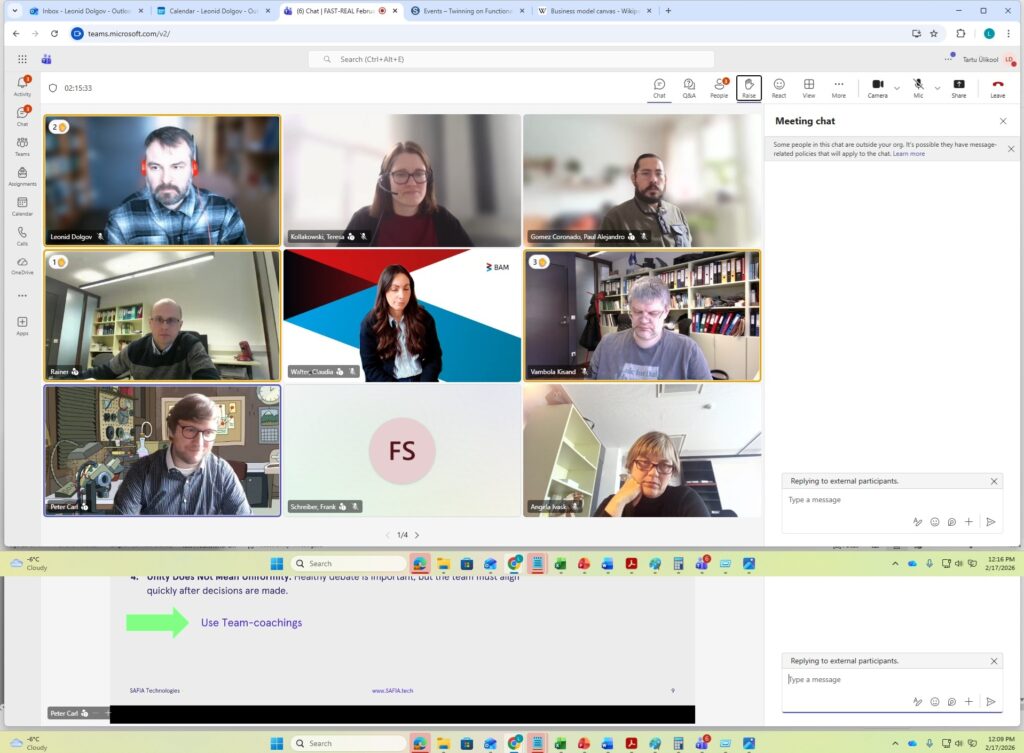
A practical perspective was provided by Peter Carl, founder of the BAM spin-off SAFIA, who shared insights into the development, certification, and market positioning of particle-based immunoassay technologies, previously published in journals such as ACS Applied Materials and Interfaces and Analytical Chemistry.
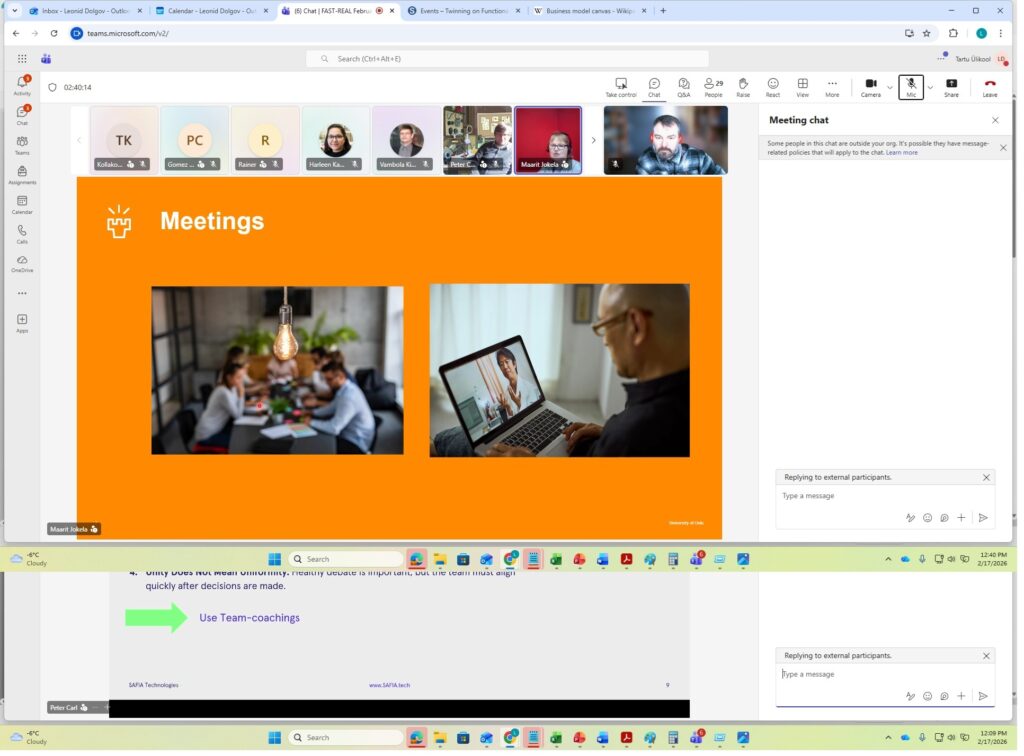
An international perspective was added by Maarit Jokela from University of Oulu, who presented the university’s approach to intellectual property management and commercialization. She highlighted key performance indicators for 2025, including invention disclosures, patent applications, proof-of-concept projects, and research-based start-ups. The workshop concluded with a structured discussion on funding pathways, institutional frameworks, and challenges in academic entrepreneurship, confirming strong engagement and interest among participants.
28-30 January 2026: sTARTUp days in Tartu (WP7, T7.4)
This year researchers from the University of Tartu, National Institute for Chemical Physics and Biophysics and the our international partner, leader of the FunMaters at NANOMO Unit of the University of Oulu Prof. Wei Cao represented FAST-real project at the booth of the sTARTUp days demo area.
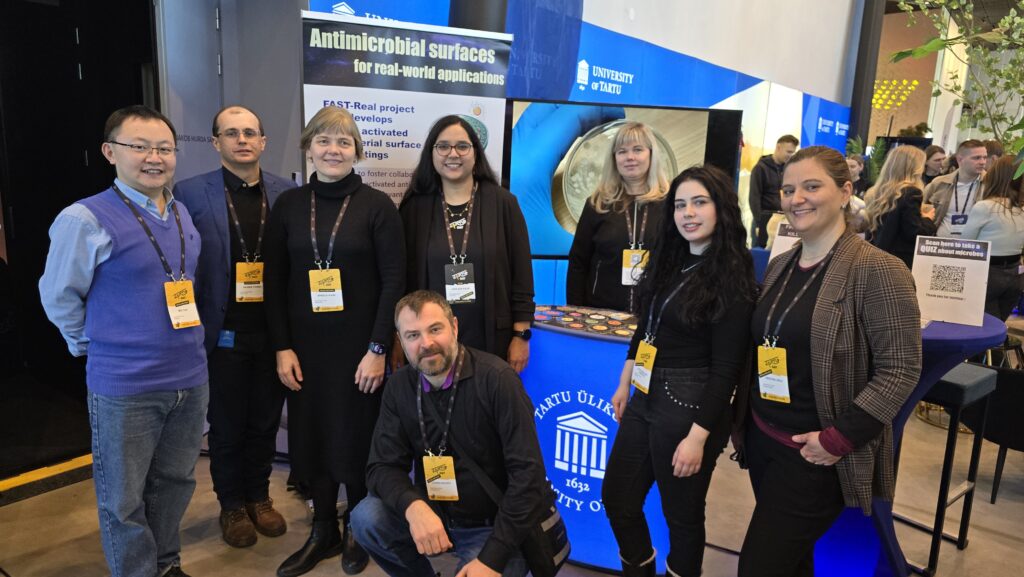
The attendees had possibility to look at the examples of antibacterial surfaces, discuss possibilities for collaboration, participate in the game and quiz, where on the model examples check their knowledges about antibacterial agents
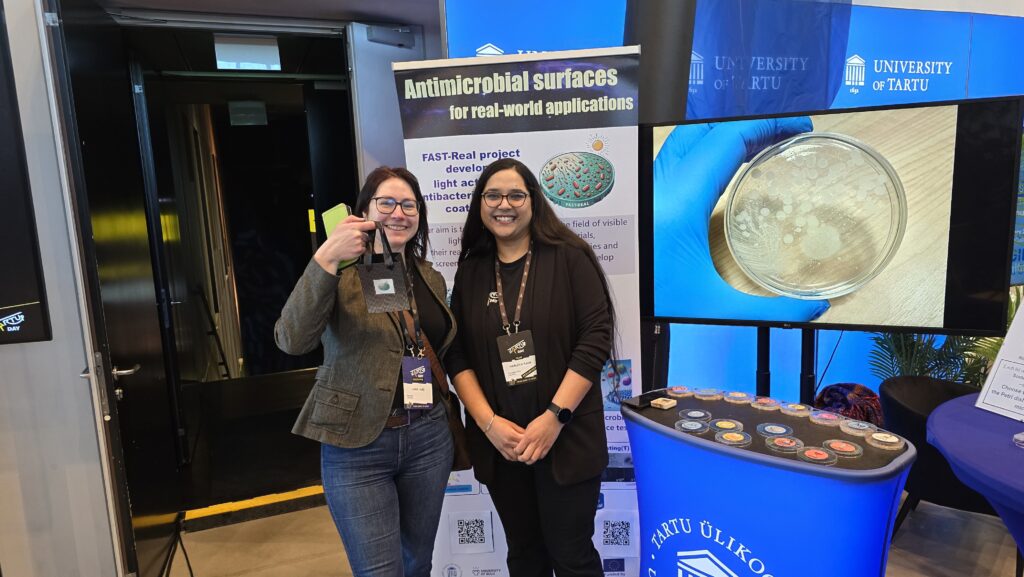
We deepen our knowledge in field of science-business partnership attending related lectures and master-classes. Particularly, at the master class of the master class of the Martijn Zomers, Dan Kirk and Mohammad Hassan “Best practices in demonstrating new technology and commercial value to investors” we understood that for the partnership with companies the technology readiness level should fit to the levels of customer needs, market and potential end-users, be competitive and adaptive to them and reliable in cost. All these points should be developed in parallel without discreapancy between them.
The project activities were also covered by the University of Tartu’s media centre, and related materials were published on social media: https://lnkd.in/dEJ6HN5c https://www.linkedin.com/company/108274156/admin/dashboard/
28 January 2026: Seminar about Science to Business Partnership by Veera Tapionkaski (University of Oulu and ZUN-H company)(WP3, T3.1)
Seminar entitled “Science to Business Partnership” (T3.1 of the FAST-Real project) was held. The seminar was delivered by Veera Tapionkaski (University of Oulu and ZUN-H company) and focused on best practices in translating scientific research outcomes into start-up activities.
The event addressed issues related to science–industry collaboration and scaling up research-based technologies, with particular attention to hydrogen energetics and solar hydrogen production. The seminar targeted early-career researchers, experienced scientists interested in strengthening cooperation with industry, and materials scientists working in related fields.
The seminar “ZUN-H and scaling up solar hydrogen production” took place on from 11:00 to 12:00, at the Institute of Physics, University of Tartu (W. Ostwaldi 1, room A101) and collected 20 participants (14 – men, 6 – women). Seminar materials are available here.
During the seminar, the speaker presented the background and development of ZUN-H, a start-up company spun out from the University of Oulu, which focuses on the development of technologies for clean hydrogen production based on solar hydrogen research. The presentation covered the transition from laboratory research to prototype development, as well as challenges related to technology maturation and scaling.
The seminar contributed to the objectives of the Workpackage 3, Task 3.1 of the FAST-Real project by promoting knowledge exchange on science-to-business pathways and fostering dialogue on potential future collaboration between academia and industry, including in the field of photocatalytic membrane applications.
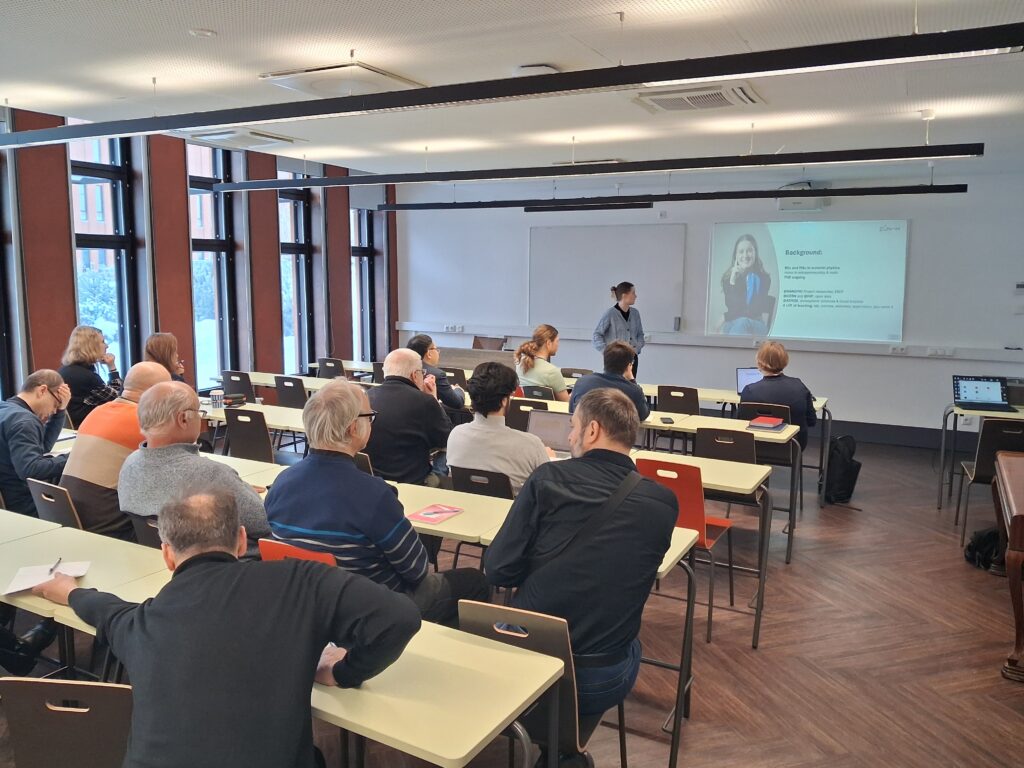
During the same day Veera participated in the internal meeting of the FAST-Real work groups from Institute of Physics and Institute of the Molecular and Cell Biology together with accompanying Prof Wei Cao, the Head of the Nano and Molecular Systems Research Unit at the University of Oulu. The progress in the testing of the photocatalytic materials was discussed as well as the ideas for the new joint project applications.
24 November – 12 December 2025: Research visit of Cristina Durante Cruz, Oksana Gerulis and Kelli Randmäe to the Swiss Federal Laboratories for Materials Science and Technology (EMPA) (WP6, T6.5)
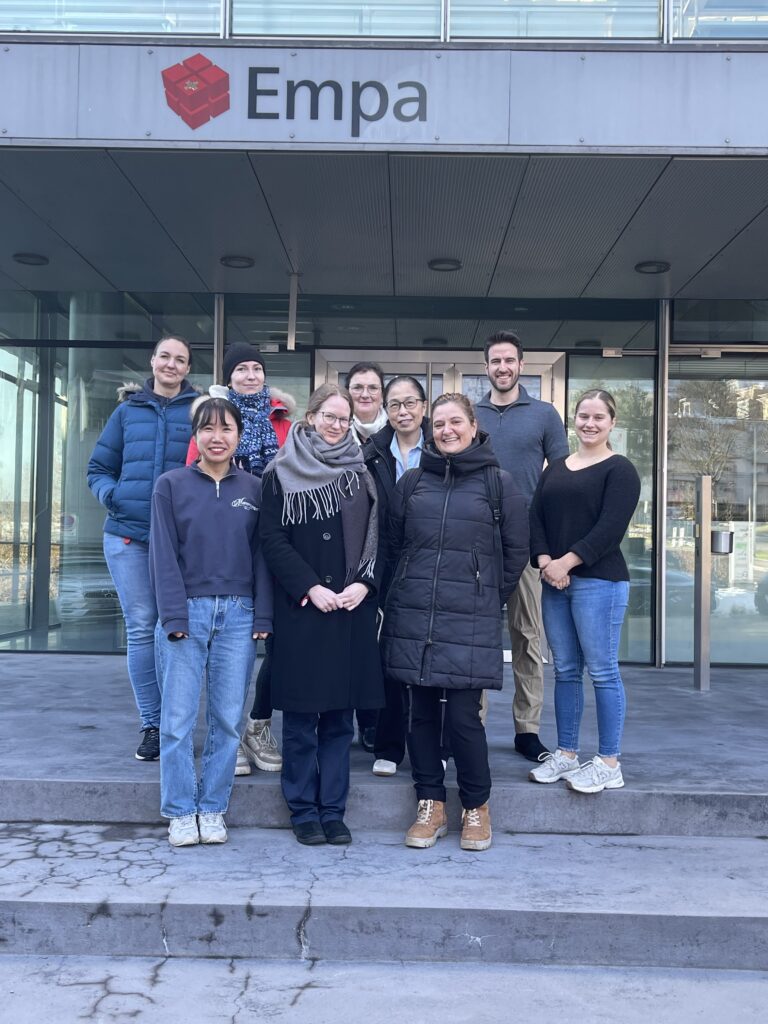
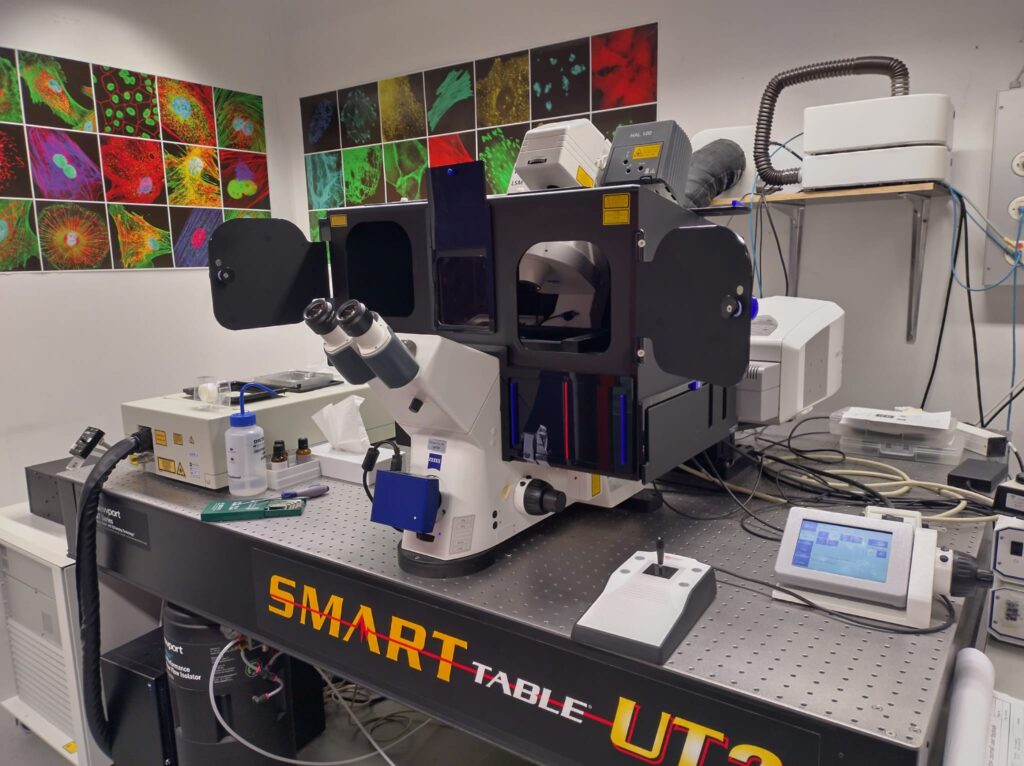
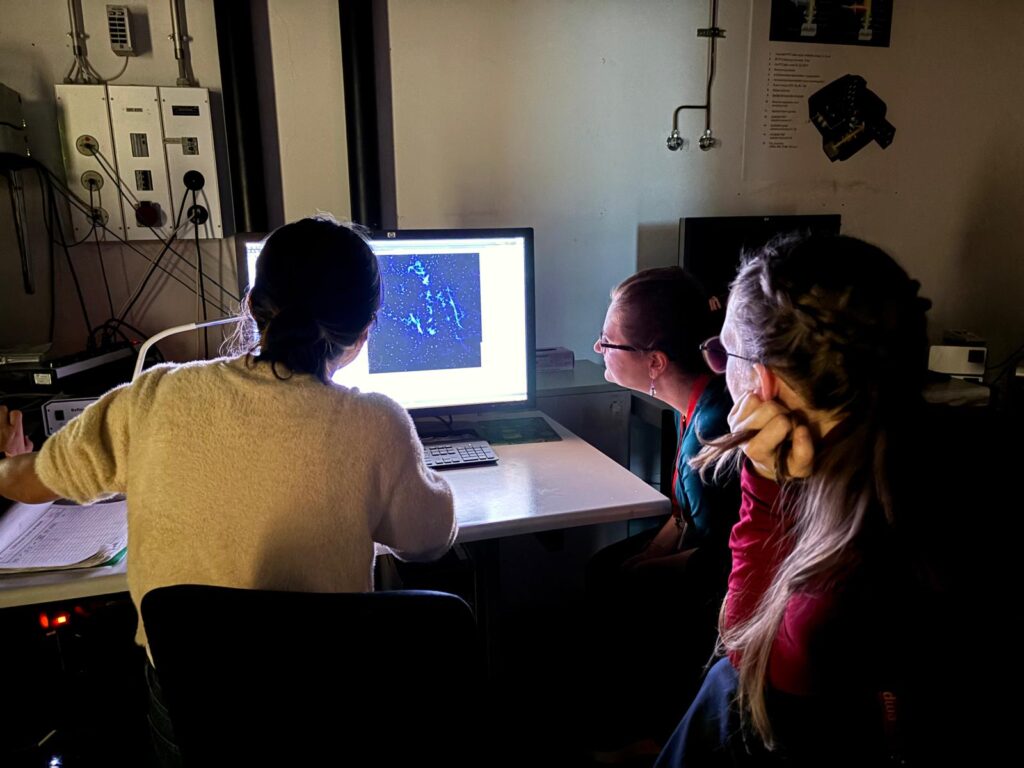
During the secondment (24.11–12.12.2025), researchers from the University of Tartu (Oksana Gerulis, Kelli Randmäe, and Cristina Durante Cruz) were trained in the preparation and application of this droplet-based biofilm system. The method allows cultivation of single- and mixed-species biofilms as defined droplets on PDMS substrates, enabling quantitative analysis by colony-forming unit (CFU) counting, crystal violet (CV) biomass staining, and confocal microscopy. The model demonstrated robust biofilm formation across different bacterial species and surface treatments, making it suitable for comparative antimicrobial screening. Using the PDMS droplet biofilm model, antimicrobial efficacy of several surface modifications was evaluated against clinically relevant pathogens, including Staphylococcus aureus, Escherichia coli, and Pseudomonas aeruginosa, in both single- and mixed-species biofilms.
Beyond experimental results, the secondment played a crucial role in capacity building and methodological harmonization within the FAST-Real consortium. Visiting researchers gained hands-on experience in PDMS fabrication, plasma surface treatment, flow-through biofilm systems, and the use of automated tools such as spiral platers and CFU imaging systems. This training significantly improved experimental throughput, reproducibility, and protocol standardization. Below are the joined photo with the group of the Prof. Qun Ren at the EMPA building, photos of the EMPA equipment and the work evening of the seconded researchers.
18-21 November 2025: Research visit of Velma Kimbi Yaah from University of Oulu Finland to University of Tartu (WP5, T5.1)
The synthetic chemist Velma Kimbi Yaah from the FunMaters division of the NANOMO unit at University of Oulu visited the Institute of Physics, University of Tartu. The specific aim of the visit was to share experience and best practices in the synthesis of Ce- and Bi-based photocatalytic nanomaterials with material scientists from Tartu. During several days, joint synthetic work was actively carried out by Velma Kimbi Yaah, Alexander Vanetsev, and Aadil Shafi Bhat. A series of materials was successfully prepared, and knowledge about the synthesis was effectively transferred.

Velma Kimbi Yaah and Aadil Shafi Bhat during one of the syntheses in the chemistry laboratory of the Institute of Physics, University of Tartu.

Velma Kimbi Yaah and Alexander Vanetsev are listening to Rainer Pärna’s explanations about the XPS equipment for the characterization of the synthesized materials.
18 November 2025: Online seminar-workshop “Equality, Inclusion and Research Ethics in Universities” at University of Tartu (WP2, T2.2)
Date: Tuesday, 18 November 2025
Venue: Online in Zoom (https://ut-ee.zoom.us/j/92201179433?pwd=LpRyBP9y72Mnuwg0PCpirpjbf4s6iB.1 Meeting ID: 922 0117 9433 Passcode: 267686)
🌍
Last week our Twinning team from the University of Oulu and the University of Tartu came together for an online seminar on equity, inclusion and research ethics. Although our project focuses on antimicrobial materials, this session reminded us of something essential: science doesn’t happen in a vacuum — it grows from people and the environments we create around them.
We are thankful to all 26 participants (18 – women, 8 – men) of the event and especially acknowledge three excellent speakers who set the tone for a very honest and open discussion.
🔹 Taina Cooke (University of Oulu) shared how Oulu approaches diversity and inclusion — from long-term strategies and equality plans to practical tools like unconscious-bias training, support networks and visible low-threshold initiatives.
🔹 Mika Huuhtanen (University of Oulu) spoke about research ethics as a culture, not a checklist: curiosity, honesty, transparency, responsible authorship and the difficult balance between open science and commercial interests.
🔹 Raili Marling (University of Tartu) walked us through UT’s evolving equal treatment policies and the important grassroots shifts — especially the network of support persons who help colleagues navigate sensitive issues safely.

💬 What happened next was equally important
After the talks, participants joined three virtual breakout rooms, each moderated by one of the speakers. And that’s where the real conversations unfolded:
🟦 Room with Taina Cooke — Belonging, inclusion, and everyday challenges
We discussed what “belonging” truly means in a university setting, especially for international staff and students.
Topics included peer-to-peer mentoring, information hubs, and how to respond quickly when someone feels excluded from team life or informal networks — concerns that are often difficult to raise directly with a supervisor.
🟩 Room with Raili Marling — How to make institutions change — and how to make that change fair
This room turned into a thoughtful conversation about organisational culture.
Participants highlighted the value of more democratic decision-making, where important decisions are shared, transparent, and rooted in collective responsibility rather than individual authority.
🟧 Room with Mika Huuhtanen — Research ethics in real life
Here we explored how science actually self-corrects.
One participant noted that research, as a self-regulating system, is not threatened by false results — the community simply stops citing them, and they disappear.
We also discussed the complexities of authorship in collaborative projects and how scientific conferences help reveal each researcher’s genuine contribution through live discussion and debate.
🌱 Takeaway
Despite working in different national and institutional contexts, we shared similar ideas and hopes: stronger structures, more democratic practices, and environments where people feel safe, respected and heard.
It was one of those meetings that stays with you — not because of slides, but because of the honesty in the room(s) and the feeling that cultural change grows from exactly these conversations.
Looking forward to carrying these insights forward in our Twinning collaboration. The materials and details of the seminar are available here.
12 November 2025: Seminar-workshop “Making science matter: building bridges between researchers and companies” at University of Tartu (WP3, T3.1)
The seminar took place at the Institute of Physics, University of Tartu (Ostwaldi 1, room A411). The event featured three speakers breafly introduced below.
Raiņis Venta, who holds a PhD in biotechnology, is the innovation manager for biotechnology and pharmaceuticals at the Institute of Bioengineering (looglab.com; digibio.ut.ee). His professional work includes building strategic bridges between Estonia and Singapore.
Relika Alliksaar Williams is an expert in knowledge transfer, intellectual property, and science-driven innovation. She works at the University of Tartu’s Centre for Entrepreneurship and Innovation, supporting researchers in navigating the pathways from scientific ideas to commercial value.
Sven Lange holds a PhD in materials science and is an expert in laser spectroscopy. He heads the Laser Spectroscopy Laboratory at the Institute of Physics, University of Tartu, and has extensive experience working with and partnering alongside different industrial companies.
Altogether 21 participants were present (10 – women, 11 – men).
Raiņis Venta spoke about the stages of commercializing scientific developments. On this path, a researcher progresses from the first laboratory results toward the creation of a market-ready product. Each step requires increasingly substantial investment, and therefore the costs of commercialization typically far exceed those of the initial scientific research. The work of a scientific start-up involves greater risks and requires significant contributions from investors, many of whose funded ideas may never reach profitability. Yet, in the start-up environment, failure is an expected and normal part of the process: often, only one out of hundreds of projects becomes successful. Importantly, the potential returns from this single successful venture may far outweigh the cumulative investment in less successful attempts. For researchers, patenting an idea early is essential. Even if the technology is later realized by competitors, they must pay for the use of the patent if they intend to develop it further. Early engagement with large companies is equally important, as their interest significantly increases the value and prospects of emerging innovations.
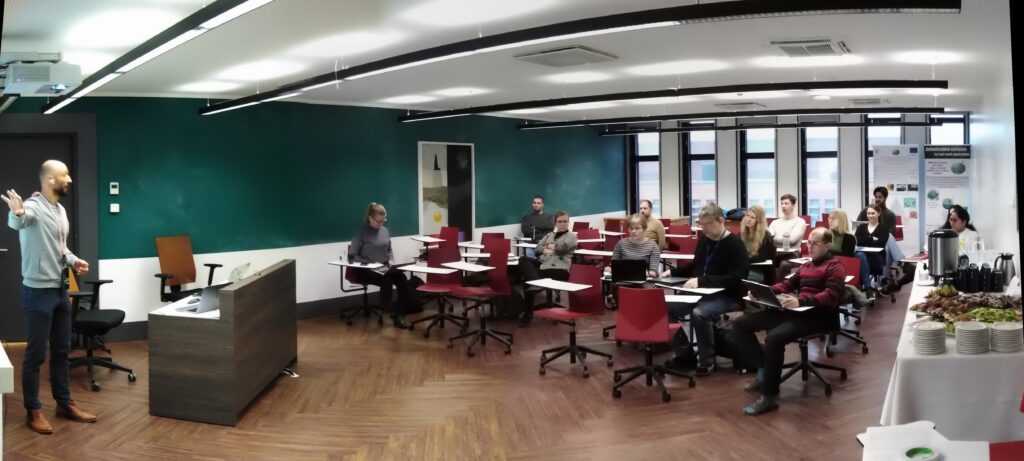
Relika Alliksaar Williams gave a report titled “Knowledge transfer, science and innovation at the University of Tartu.” She discussed how universities build bridges between researchers and industry through knowledge transfer processes, innovation services, and commercialization support. She outlined the roles of innovation teams, described how research outputs evolve into societal impact, and explained why intellectual property (IP) is crucial for protecting and leveraging new ideas. Her presentation provided an overview of different types of IP, what can be patented, and how patenting works in practice. She highlighted the importance of patent searches and freedom-to-operate analyses, as well as common mistakes researchers should avoid. Real-world examples — including Google’s PageRank and Amazon’s One-Click patent — illustrated how effective IP strategies can drive the success of research-based spin-offs. Her key message emphasized that early and proactive IP management, together with timely interaction with the University’s Technology Transfer Office, is vital for evaluating commercial potential, safeguarding scientific innovations, and transforming research into real-world value.

In his talk “Case studies of university–enterprise partnerships,” Sven Lange shared his personal experience collaborating with the company Estiko Plastar. He emphasized that even a product based on a scientifically strong idea must meet consumer expectations. For instance, an unsatisfactory visual appearance may prevent a product from entering the market, regardless of its innovative qualities or strong functionality. He also presented examples of start-ups nurtured at the Institute of Physics, demonstrating that even successful founders face both technical and marketing challenges. The success of companies such as GScan and LightCode Photonics—based on muon tomography and 3D imaging technology respectively—ultimately depends on how relevant the applied problem is and on the degree to which their solutions differentiate themselves from existing market offerings. He noted that in the current global climate, product development in the fields of protection, defense, and security represents one of the most promising directions.

After the presentations, participants had the opportunity to join a pitching masterclass led by Gleb Maltsev, a communication specialist with 13 years of experience. He helps researchers and entrepreneurs explain complex ideas in clear and accessible ways—whether in investor pitches or scientific presentations. Describing such a masterclass is not an easy task. One participant captured the experience in the following reflection:
“If you think that giving a one-minute talk about your work is easy, you’re absolutely wrong.
Gleb showed in the most inspiring way that words are a craft. Every sentence must sound like a song, one from which you cannot remove a single word. A pitch has to be complete in itself, crystal-clear to anyone, and so memorable that people will immediately want to meet you again. Some will want to do business with you, others will simply want to be friends — because you come across as interesting, attentive, and genuinely caring.
A special thank you goes to Niclas Schneider for his courageous pitch and the powerful idea of converting waste into biofuel — for doing everything to make our planet cleaner. You are a true inspiration!
Gleb, thank you once again for this masterclass and for helping each of us find our own unique voice and style. It was powerful, practical, and incredibly human.”

The masterclass concluded the event, highlighting the importance of clear scientific communication as an essential complement to innovation, commercialization, and university–industry collaboration within the Horizon Europe twinning coordination and support actions.
The seminar attended 20 participants the seminar materials are available here.
06-07 October 2025: visit and lecture series by invited professors from the University of Oulu at the University of Tartu (WP6, T6.1)
As part of the knowledge exchange on photocatalytic materials and their applications (WP6), the University of Tartu welcomed a group of researchers from the University of Oulu, Finland:
- Prof. Marko Huttula, Head of the NANOMO Research Unit, expert in nanosystem dynamics and the hydrogen transition;
- Prof. Satu Ojala, specialist in environmental catalysis and pollutant treatment;
- Prof. Wei Cao, group leader in advanced nanomaterials and functional photocatalytic surfaces.
The lectures’ materials of these invited speakers are available here. Please look below the details related to their visit and delivered lectures about catalytic materials and their applications.
On the morning of Monday, 6 October, the guests visited the Institute of Molecular and Cell Biology, where they met with Prof. Angela Ivask and her Microbe & Material Interactions Research Group. Prof. Ivask, together with researcher Dr. Merilin Rosenberg and students Hanna Ainelo and Cristina Durante Cruz, presented recent research results on microbial biofilm formation on surfaces and genetic mutations in microbes in response to antimicrobial agents, as well as on the efficiency of such agents. The presentations evolved into a productive discussion about possible antimicrobial mechanisms of the photocatalytic nanopowders developed at the University of Oulu, which may be further evaluated in upcoming experiments within Prof. Ivask’s group.
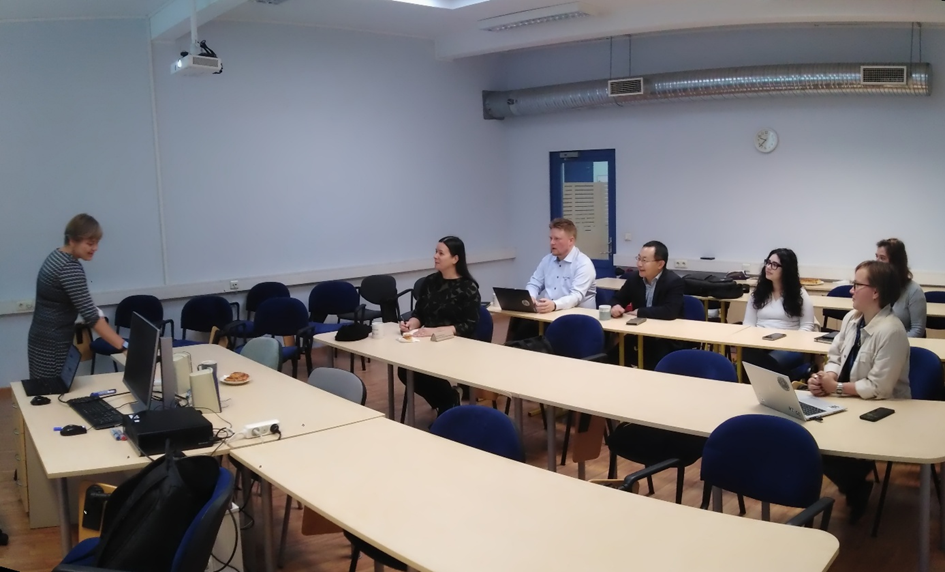
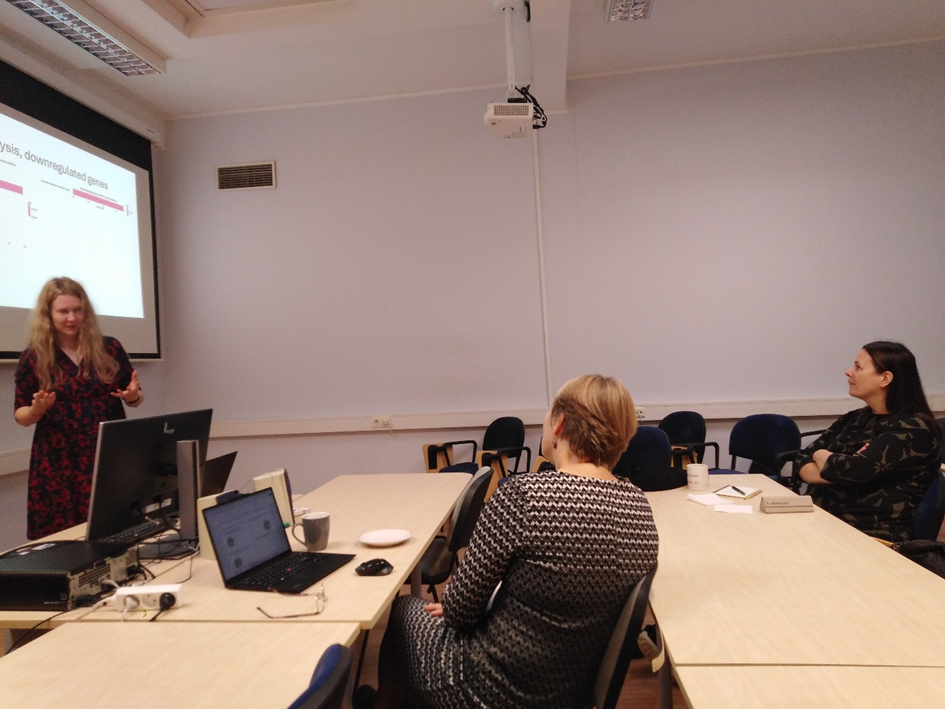
In the afternoon, Prof. Wei Cao and Prof. Satu Ojala delivered lectures at the Institute of Physics, University of Tartu, during a joint seminar of the Laboratory of X-ray Spectroscopy and the Laboratory of Physics of Ionic Crystals.
“Photocatalysis as a Phenomenon and Its Applications” (by Prof. S. Ojala)
“Photocatalytic Hydrogen Production: Bottom-up Track from Electronic Structures to Onsite Pilot” (by Prof. W. Cao)
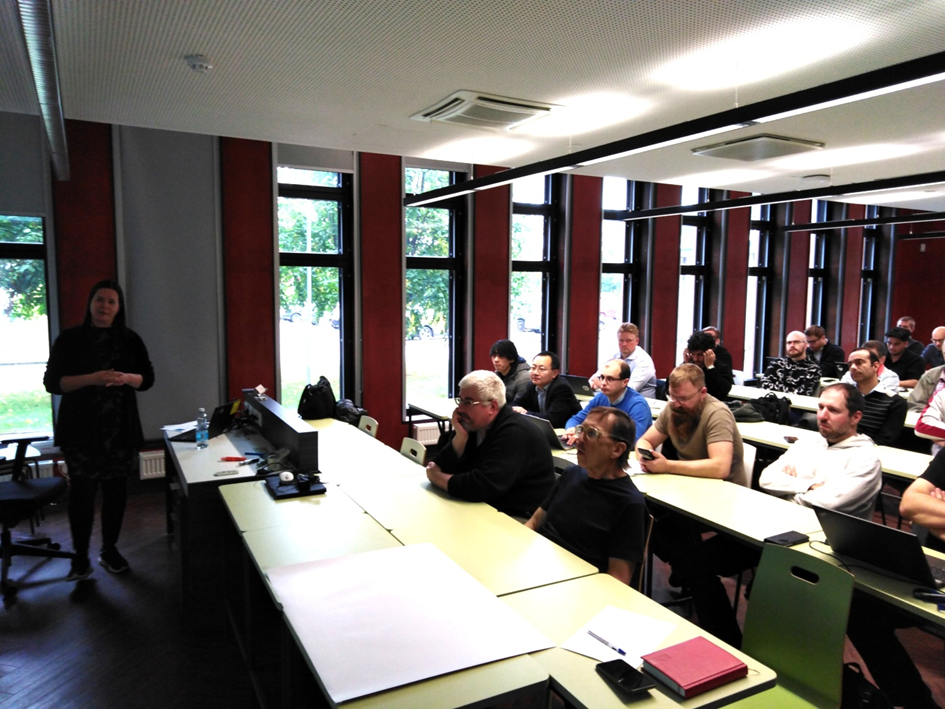
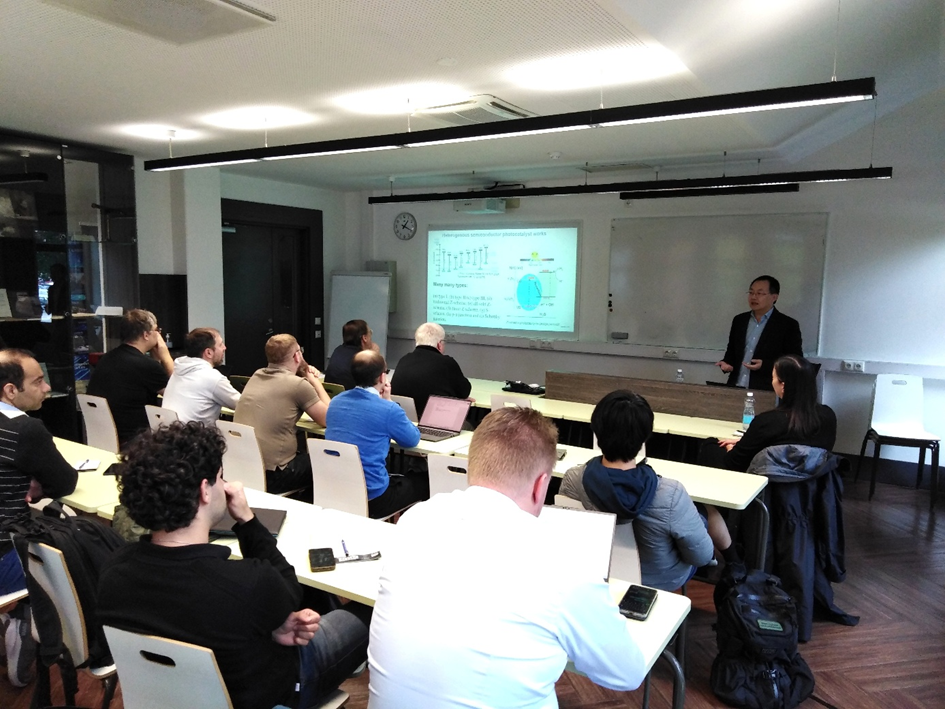
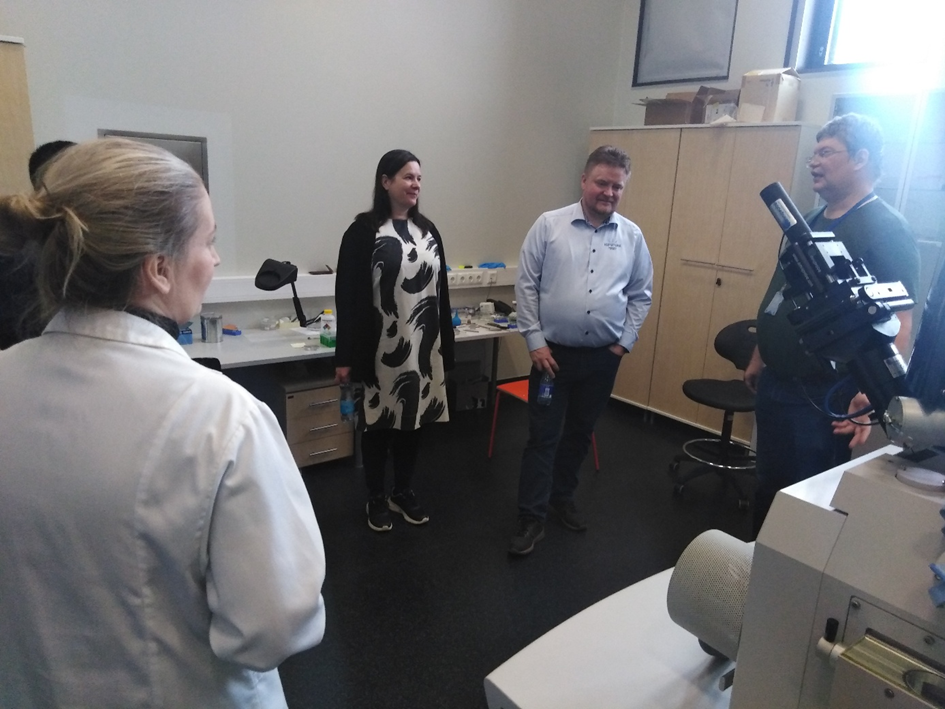
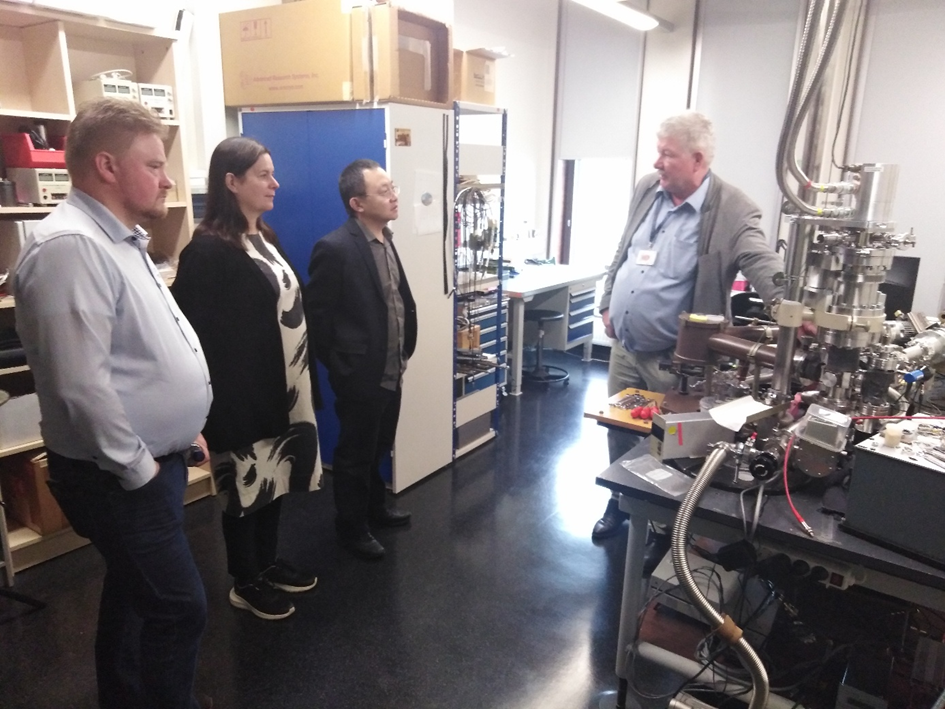
The lectures sparked great interest among the 30 listeners (28 – men, 2 – women) audience, which included many University of Tartu students. On the morning of 7 October, the guests toured several laboratories at the Institute of Physics, discussing in particular the possibilities for photoluminescence measurements and characterization of catalytic nanopowders synthesized jointly at the Universities of Tartu and Oulu. Special attention was given to the role of light activation in enhancing both photocatalytic and antimicrobial activity.
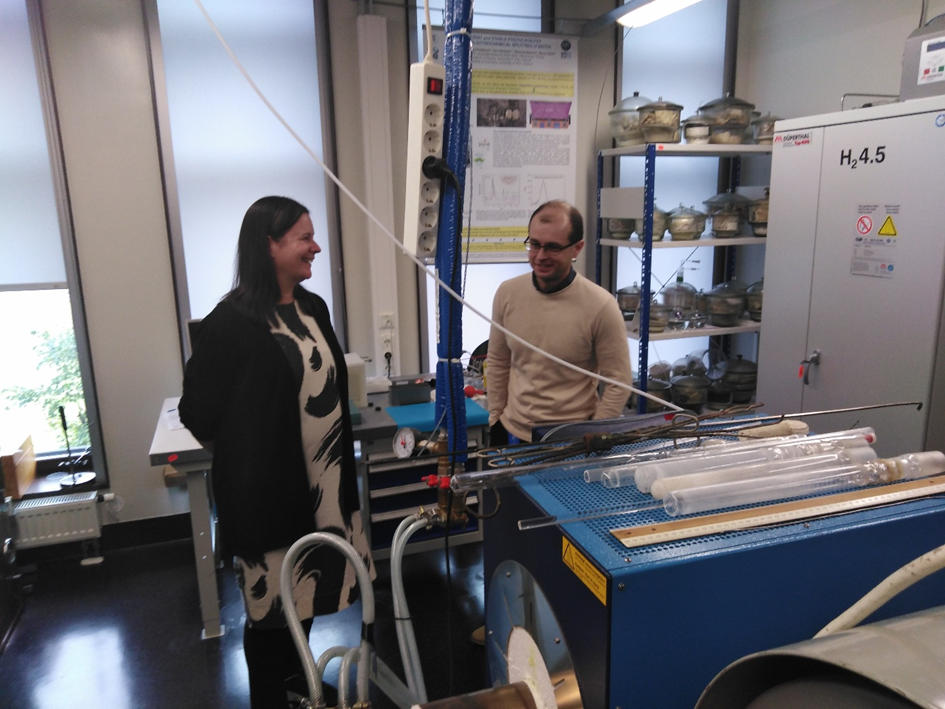
Later that day, the guests continued their lecture series at the Institute’s general physics seminar, presenting the following talks:
“Photocatalysis and Its Applications in Pollutant Treatment” (Prof. S. Ojala)
“Bi-compound Photocatalytic System for Hydrogen Evolution and Organic Pollutant Removal” (Prof. W. Cao)
“Clean Hydrogen Transition for the Future: Research Perspectives” (Prof. M. Huttula)
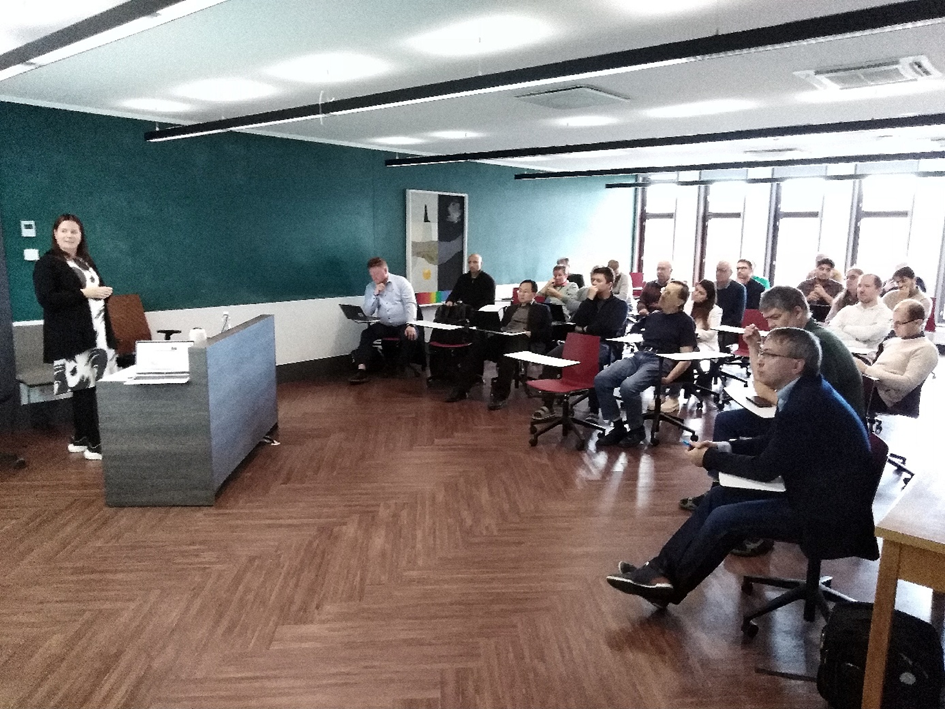
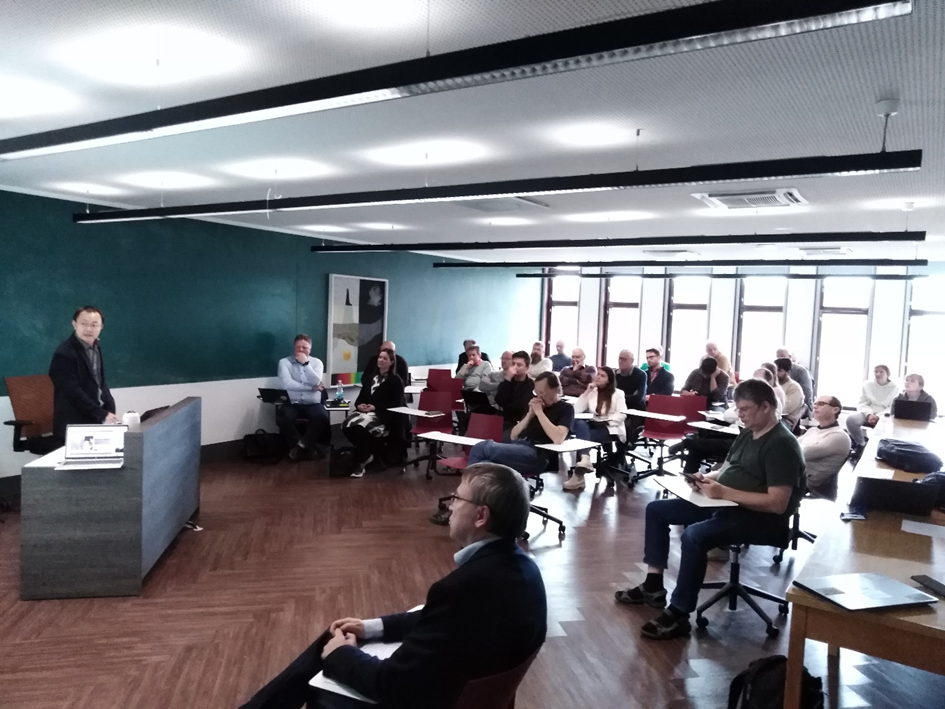
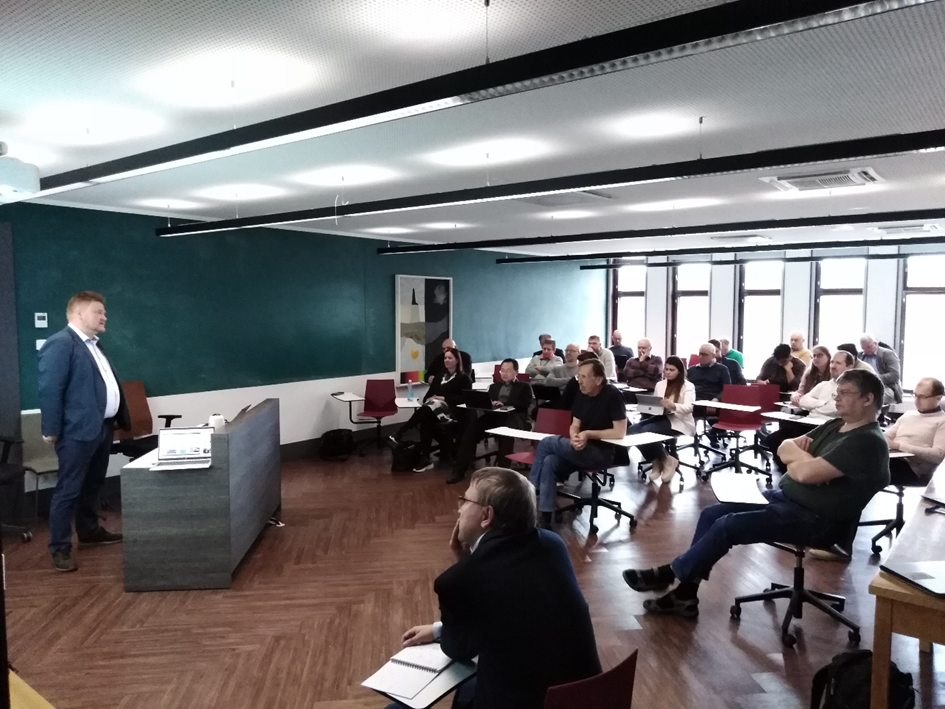
The seminar was held in hybrid format, with over 24 participants (21 – men, 3 – women) attending in person and 9 joining online via Microsoft Teams. The talks were followed by a lively discussion covering the comparison of theoretical and experimental catalytic efficiencies, the potential economic viability of hydrogen energy versus nuclear energy, and the issue of material embrittlement caused by hydrogen exposure.
During the visit, the researchers also held joint discussions on current results and progress within the FAST-Real project between the University of Oulu and the groups of Prof. Angela Ivask and Dr. Vambola Kisand at the University of Tartu. Promising results were presented on the photocatalytic degradation of methylene blue dye obtained at the University of Tartu using nanopowders synthesized in collaboration with Prof. Wei Cao’s group from Oulu. These results were chosen as a basis for further experiments.
The teams also agreed on the importance of harmonizing the light sources used for photocatalyst activation at both institutions, to ensure comparable testing conditions and systematic exploration of factors influencing photocatalytic efficiency.
The visit of the University of Oulu research group was organized in line with Task 6.1 of the FAST-Real project, aimed at delivering educational lectures on photocatalytic materials. The scientific discussions conducted during the visit were directly relevant to Task 5.1: Establishment of a Concept for Optimal Photocatalytic Visible-Light-Induced Antimicrobial Surfaces. The joint progress on both WP5 and WP6 objectives made this visit particularly productive and valuable for the consortium.
26 September 2025: European Researchers’ Night (WP7, T7.1, T7.4)
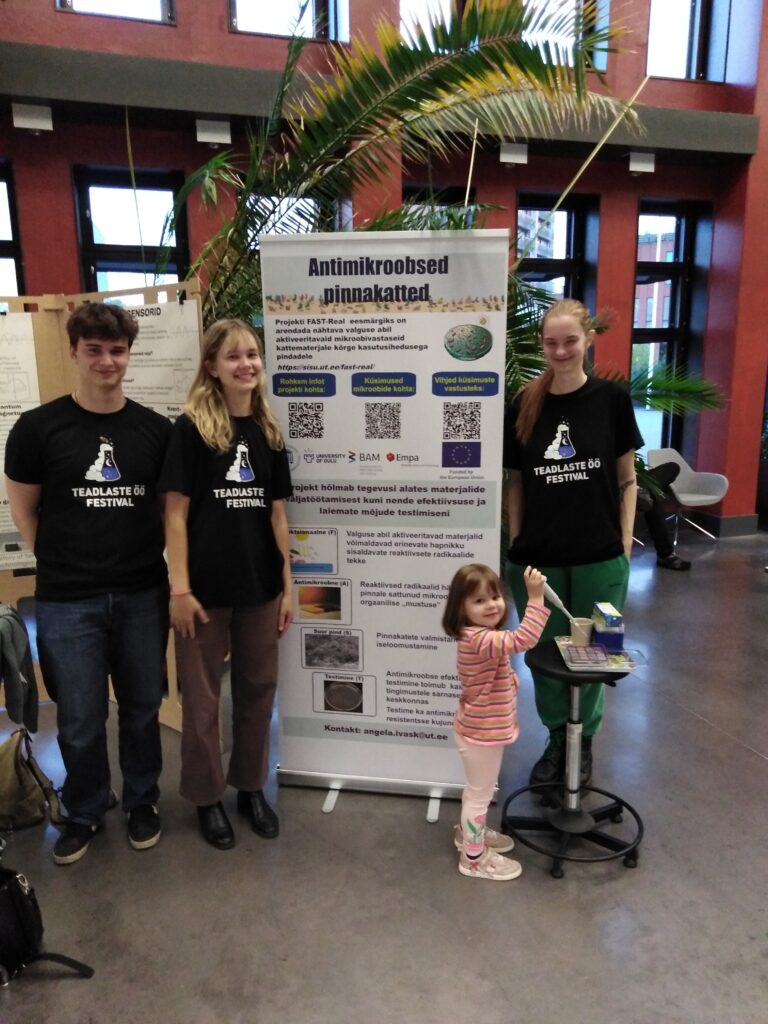
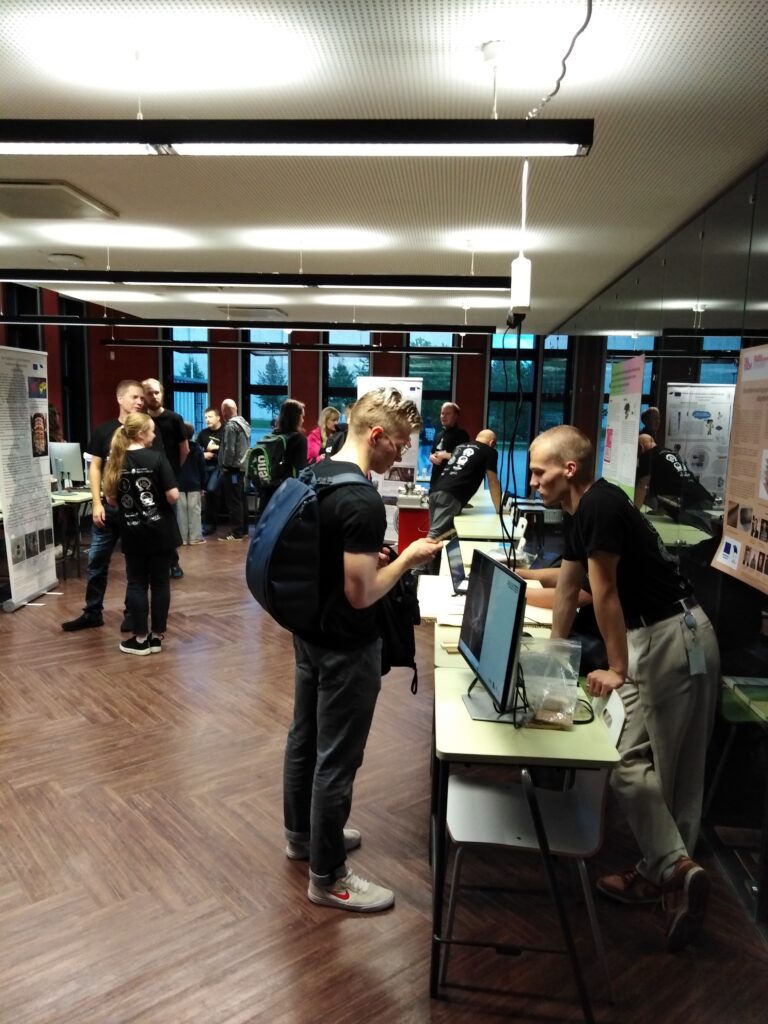
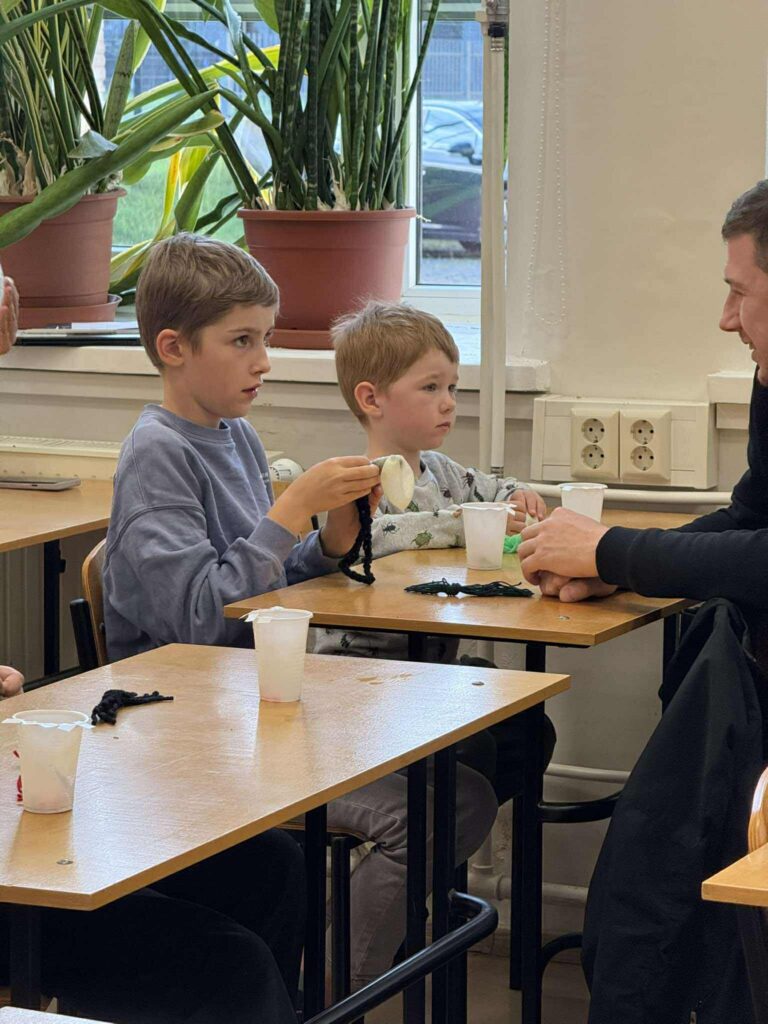
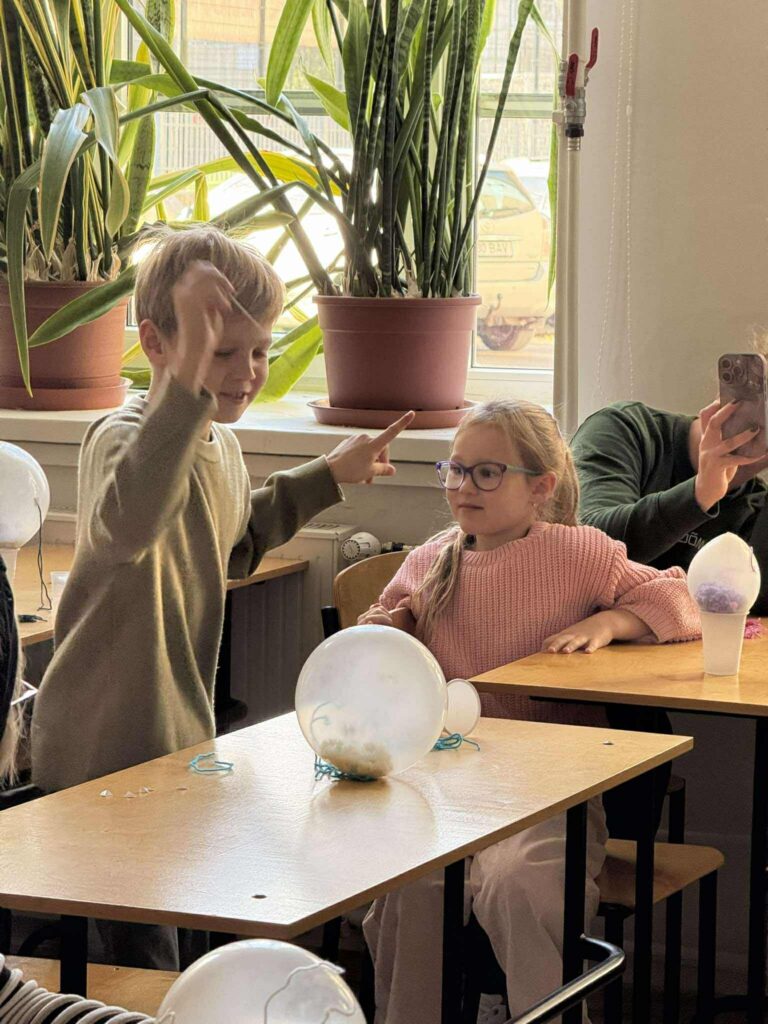
We are excited to share that the FAST-REAL project team participated in the European Researchers’ Night, organized 26 September 2025 as part of the University of Tartu events. Families with children of all ages visited particularly the Institute of Physics and the Institute of Molecular and Cell Biology, University of Tartu to explore the wonders of science.
For the occasion, a special FAST-REAL banner was prepared, featuring QR codes that allowed both young and more experienced visitors to test their knowledge of the microbial world. Participants also explored wetting properties on different antibacterial surfaces, applying droplets with micropipettes and observing their shapes firsthand.
At the Institute of Physics, engaging interactive installations illustrated the possibilities of monitoring the microscopic world:
- Visitors looked through microscopes
- Observed light interference in thin films
- Monitored real-time data from instruments in a climate chamber to track airborne microparticles
- Witnessed invisible inks based on quantum dots and phosphors become visible under UV light
Meanwhile, at the Institute of Microbiology, participants learned about microbial control methods and the role of light-activated photocatalytic surfaces.
It was inspiring to see curiosity and excitement from attendees of all ages! More than 100 participants visited the European Researchers’ Night in Tartu University.
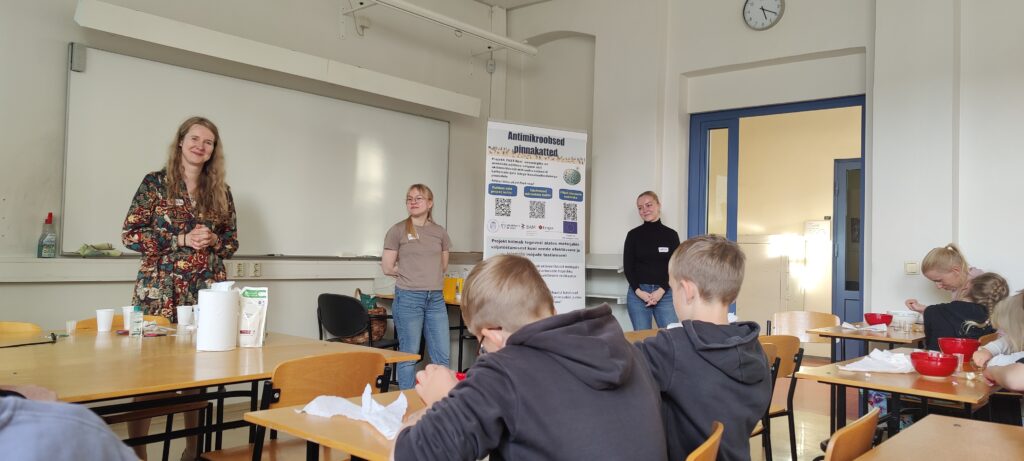
16 June 2025: Seminar “Novel strategies and considerations in fighting pathogens” at University of Tartu (WP6, T6.4, T6.6)
The Seminar was held in a hybrid format. Speakers from the Biodeterioration and Reference Organisms Division of the Federal Institute for Materials Research and Testing, BAM, Berlin delivered on-site presentations at the Institute of the Molecular and cell Biology, University of Tartu (Riia 23, room 217).
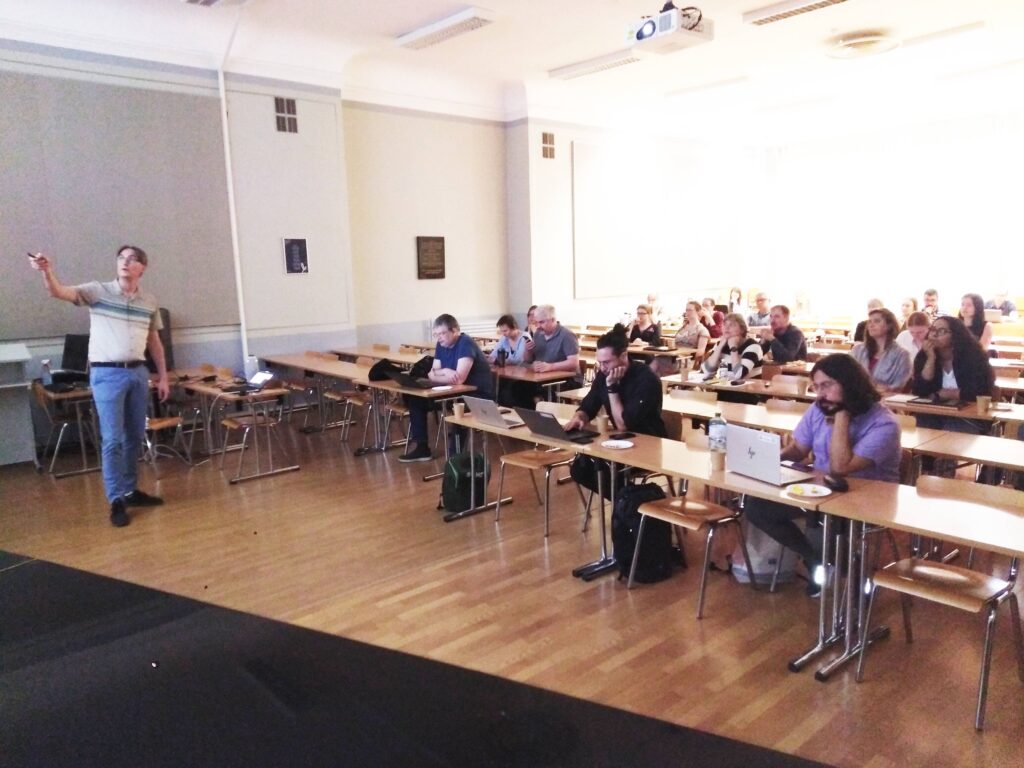
Dr. Frank Schreiber gives an on-site presentation.
While speakers from Biointerfaces research team of Swiss Federal Laboratories for Materials Science and Technology, EMPA participated online.
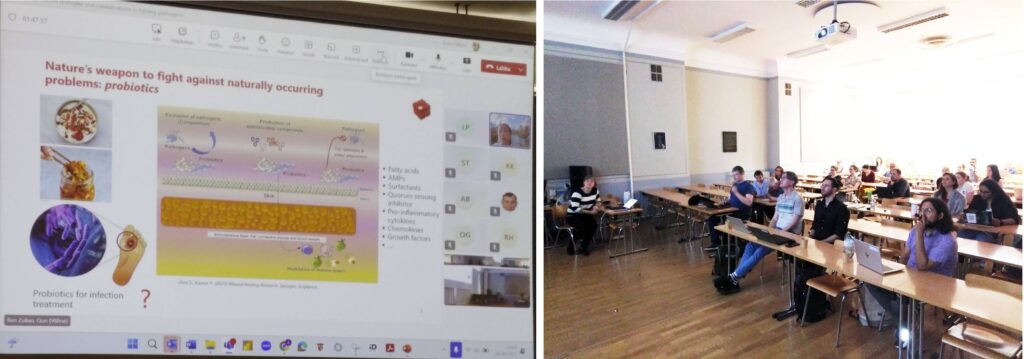
Prof. Qun Ren gives an online presentation.
39 attendees (25 – women, 14 – men) represented various institutions and departments of the University of Tartu. The seminar participants learned about advanced methods and research findings in the fields of antimicrobial agent efficacy and microbial resistance studies. In particular, promising approaches involving probiotics and phage therapy were discussed.
The seminar program included the following presentations.
„Antimicrobial and wound healing properties of probiotics“ Prof. Qun Ren (EMPA) (online)
„Delivery of probiotics and phages“ by Dr. Siyuan Tao (EMPA) (online)
„Biocides as drivers for the selection and evolution of antimicrobial resistance” by Dr. Frank Schreiber (BAM)
„Phenotypic heterogeneity in bacterial lag times and antibiotic tolerance induced by the disinfectant glutaraldehyde” by Dr. Frank Schreiber (BAM)
„A Customizable Procedure for Predicting Antibiotic Resistance Selection on Novel Antimicrobial Coatings” by Dr. Roberto Marano (BAM)
„Engineering of growth-coupled Escherichia coli biosensors” by Dr. Paul Alejandro Gomez Coronado (BAM)
The seminar materials are available under this link. If you have any questions about the seminar materials, please contact: leonid.dolgov@ut.ee
The guests from BAM participated in working meetings with members of the Microbe & Material Interactions Research Group, led by Prof. Angela Ivask, and with materials scientists from the Institute of Physics, led by Prof. Vambola Kisand. They were also introduced to the laboratories and equipment at both the Institute of Molecular and Cell Biology and the Institute of Physics, University of Tartu.
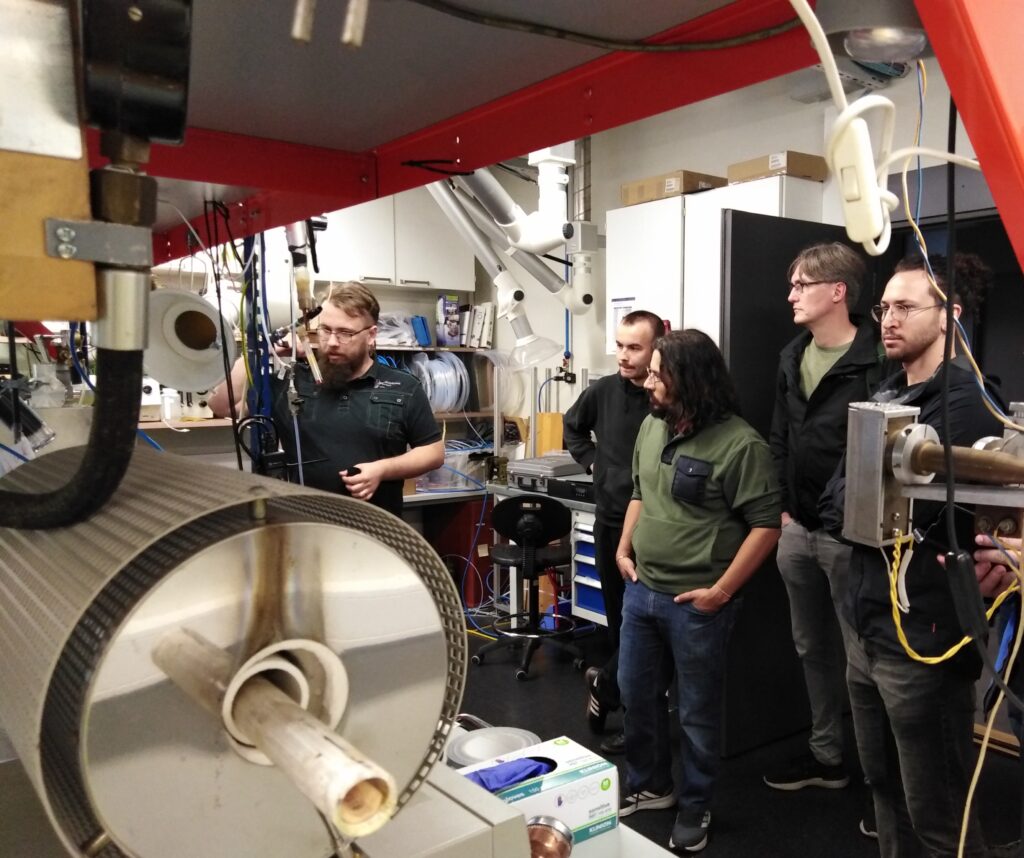
Guests from the Federal Institute for Materials Research and Testing (BAM), Berlin, in the Laboratory of Atmospheric and Environmental Sciences during a tour of the Institute of Physics, University of Tartu. Right to left: Dr. Roberto Marano, Dr. Frank Schreiber, Dr. Paul Alejandro Gomez Coronado.
12 May 2025 – 23 May 2025: Research secondment from University of Tartu, Estonia to University of Oulu, Finland (WP6, T6.2)
Researchers Alexander Vanetsev, Rainer Pärna, and Mati Kook from the Institute of Physics, University of Tartu, visited the FunMaters group (led by Prof. Wei Cao) at the NANOMO Unit of the University of Oulu as part of Project Task 6.2. The main aim of the visit was hands-on training for UTARTU researchers in synthetic and coating techniques for preparing visible light-active photocatalytic materials in the form of thin films on glass, metal, and other types of surfaces. They synthesized a series of photocatalytic material samples with heterojunctions in powder form with the support of their Finnish colleagues. The resulting composite materials were dispersed in a polymer solution and applied to glass surfaces using plate-coating and spin-coating techniques. These materials will be tested at IF UT for photocatalytic activity under visible light and UV-A radiation.
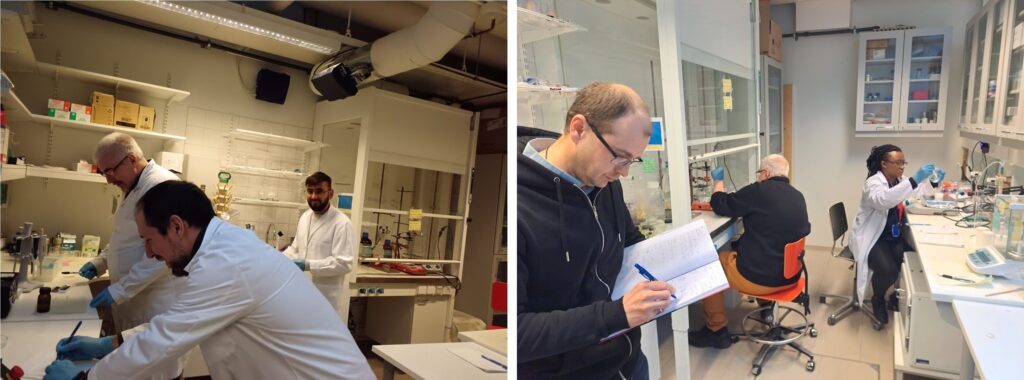
Left picture: Mati Kook and Alexander Vanetsev are collaborating with Andres Galdanes Martinez in the NANOMO unit laboratory. Right picture: Rainer Pärna and Alexander Vanetsev are working with Velma Beri Kimbi Yaah on the synthesis of nanomaterials in the NANOMO unit at the University of Oulu.
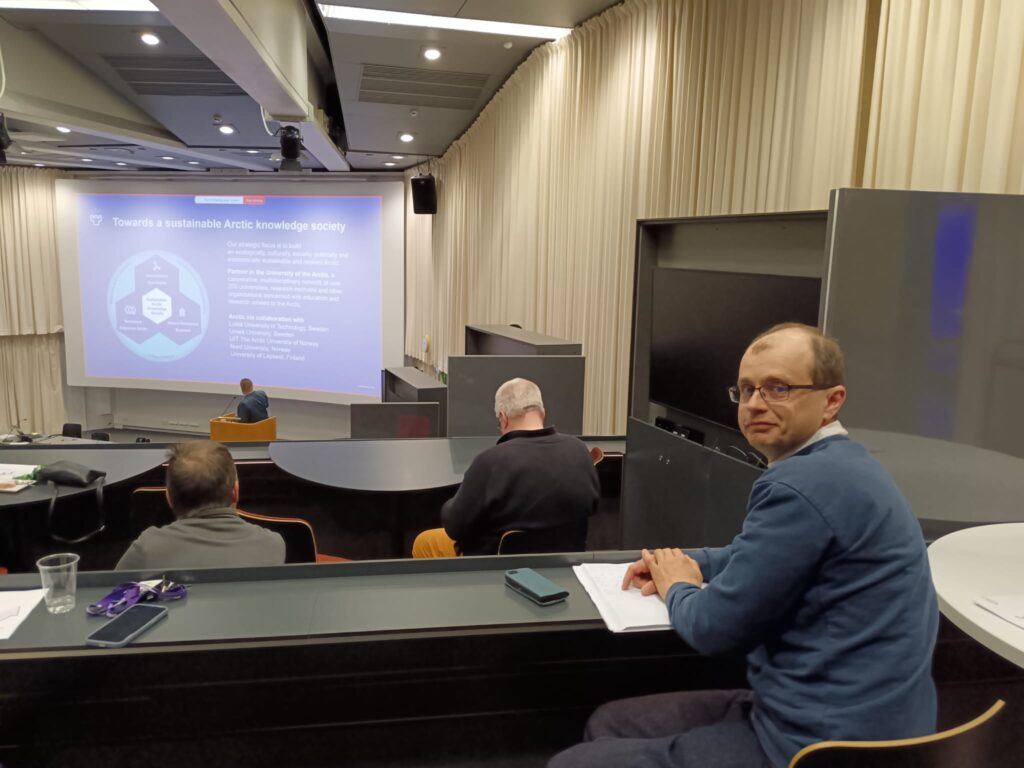
Mati Kook, Alexander Vanetsev, and Rainer Pärna are listening to a report in the seminar room at the University of Oulu.
23 March – 11 April 2025: Research secondment from University of Tartu, Estonia to Federal Institute for Materials Research and Testing, Berlin(WP6, T6.7)
In spring 2025, researchers Merilin Rosenberg and Sandra Park from the Institute of Molecular and Cell Biology, Tartu University visited Federal Institute for Materials Research and Testing, Berlin in frame of the project Task 6.7. The hands-on training of UTARTU researchers on methodologies for antimicrobial resistance development was realized. They investigated, in partnership with Prof. Frank Schreiber group, how exposure to antimicrobial copper surfaces affects bacterial survival and resistance. They mimicked real-world contamination by exposing E. coli to dry copper surfaces and then studied surviving bacteria using a ScanLag system, which tracks how long individual cells take to start growing again. They found that killing of bacteria on copper surfaces affects bacterial tolerance towards other antimicrobial materials. These results raise concern that bacteria surviving on antimicrobial surfaces could potentially contribute to antimicrobial tolerance. The study suggests that combinations of antimicrobial agents may be needed to prevent such unintended effects.
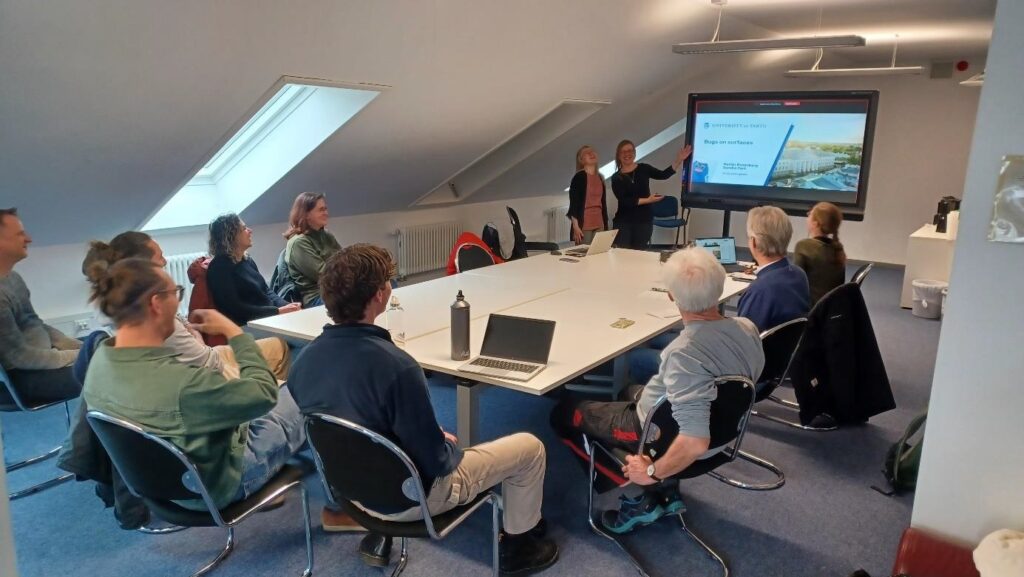
PhD student Sandra Park and Dr. Merilin Rosenberg presented their research and spoke about their Estonian colleagues at the research seminar of Professor Frank Schreiber’s group in Berlin.
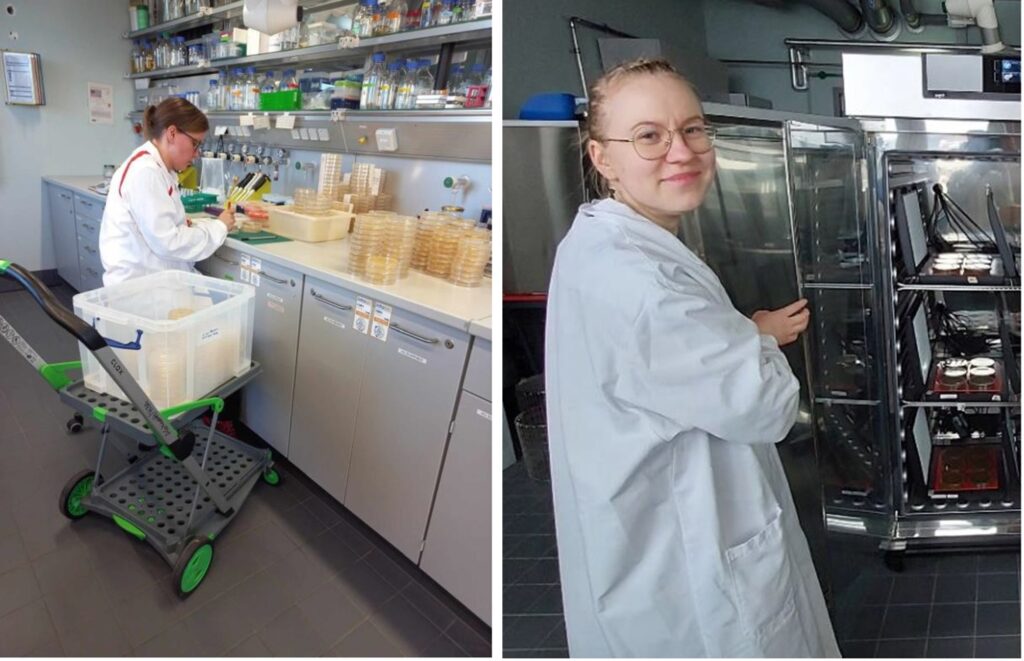
During joint experiments at the Federal Institute for Materials Research and Testing: Right – PhD student Sandra Park beside the ScanLag setup, an incubator equipped with nine scanners, each accommodating six Petri dishes to measure growth parameters of individual bacterial colonies. Left – Dr. Merilin Rosenberg manually counting tens of thousands of bacterial colonies during a control experiment.
06 February 2025: Grant writing online workshop (WP4, T4.4)
This workshop was organized by Prof. Angela Ivask from the Institute of Molecular and Cell Biology at the University of Tartu to enhance grant proposal writing skills among both experienced and early-career researchers. Kadri Raav, an officer from the Estonian Research Council, gave an overview presentation on different types of grant applications for the European Research Council. Then, Prof. Wei Cao and Dr. Satu Ojala from the University of Oulu shared their experiences with European Research Council grant projects. All 20 workshop participants (12 – women, 8 – men) were invited to discuss statistical data on ERC projects from previous years and to gain insights into the most promising research directions, their objectives, and key factors influencing the success of grant proposals. Workshop materials can be accessed here. Contact for detail information: leonid.dolgov@ut.ee
28-31 January 2025: StartUp days in Tartu (WP7, T7.4)
The StartUp days held in Tartu, Estonia is one of the largest events in the Baltic countries, which has an international reach and annually brings together representatives of start-up companies, research organizations and investors to exchange experiences, ideas and profitable investments. In 2025, the moto of the event is “From zero to hero!” The FAST-Real project team presented its exposition in the demo area of one of the halls and took part in several seminars and master classes. They were aimed at developing the skills of pitching their ideas and results and focused on transforming scientific ideas into relevant applications using the capabilities of start-up companies. Initial contact was made with the biotech startup company TIKO, which is interested in antibacterial solutions for the application of covering materials used in the treatment of wounds.
Asvel startup company became interested in the potential application of antimicrobial coatings for electronic medical endoscopic instruments. Such interest can serve as a starting point for introducing the scientific developments of the FAST-Real project into practice and the possibility of cooperation with commercial and technology companies.
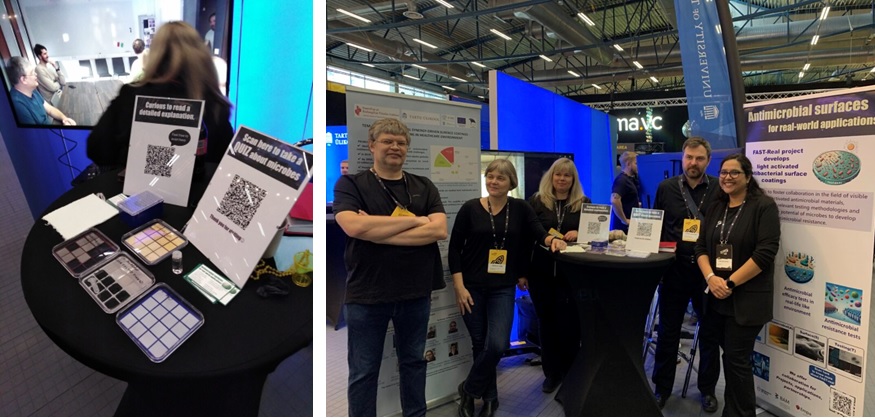
Demonstrative examples of structured surfaces. The team from the University of Tartu at the FAST-Real project area during the Startup Days.
05-06 December 2024: Conference on Antimicrobial Coatings organized by the team of the ‘STOP’ project in Mons, Belgium (WP7, T7.3)
It was an event of around 50 people, mainly from EU projects STOP (Surface Transfer of Pathogens), AIMed and European Ceramics Society. Coordinator of the FAST-Real Project Prof Angela Ivask delivered conference report “From lab to real life with antimicrobial surface coatings”. The focus was on antimicrobial surface coatings and their efficacy testing. The information about successful starting of the FAST-Real project was disseminated and possible collaboration with the conference participants was discussed. As a result of this event it is planned to prepare joint COST project in one of the future rounds.
06-09 October 2024: International Scientific Conference FMNT 2024 (WP7, T7.3)
The scope of FM&NT-NIBS 2024 conference covers experimental and theoretical research on functional materials, nanotechnology, optical materials, novel characterisation methods, low dimensional systems and green and sustainable energy technologies and environment, bioengineering materials, biotechnologies and health, and yet more. FM&NT-NIBS 2024 provides an ideal academic platform for researchers to present their latest research findings and describe emerging technologies and directions in Functional Materials, Nanotechnologies, and Innovation issues.
One of the key investigators of the FAST-Real project Prof. Vambola Kisand from the Institute of Physics, University of Tartu, outlined the state of novel inorganic coatings prospective for the antimicrobial applications at the University of Tartu in the conference report “Photocatalytic materials for antimicrobic coatings” made on October 08, 2024 at 11:20. He accentuated that FAST-Real project appeared in course of the development of long-term cooperation between the groups of material scientists from the Institute of Physics and the Institute of Molecular and Cellular Biology of the University of Tartu. In particular, a group of microbiologists led by professor Angela Ivask, coordinating FAST-Real project, conducted a number of experiments confirming the prospects for the development and use of antimicrobial photocatalytic surfaces with the involvement of leading international institutions in this field, such as EMPA (The Swiss Federal Laboratories for Material Science and Technologies), UOULU (the University of Oulu, Finland), BAM (Federal Institute for Materials Research and testing) performing as twinning partners and sharing their experience with the University of Tartu.


Ensuring such development through the implementation of the Fast-Real project interested the conference participants, who also actively communicated with the speaker at the rolled-up banner of the FAST-Real project presented at the conference.
27 September 2024: European Researchers´ Night (WP7, T7.1, T7.4)
quests and excursions to the laboratories. The event attracted attention both general public and university students and researchers.


Young researchers obtained nice possibility to train their speaking and presentational skills in front of an audience. Experienced researchers got acquainted with the scientific topics of their colleagues in related fields of knowledge and were interested in ongoing and new scientific projects, their goals, plans and prospects for involvement in the work. In particular, the FAST-Real project banner attracted the attention of both experienced and young researchers.
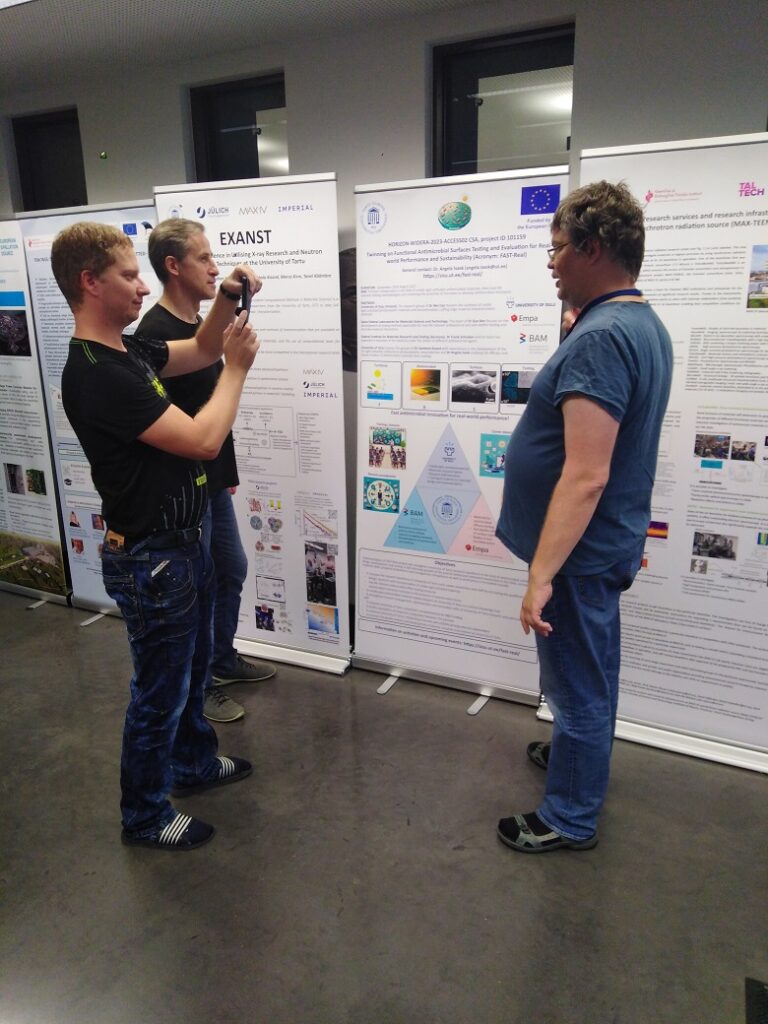

It is because the project co-adviser Prof. Vambola Kisand fascinatingly told about the present achievements and nearest plans for development of antibacterial photocatalytic surfaces. He especially emphasized the opening possibilities for training and scientific and management carrier development for the young researchers. It became possible by means of planned trainings, staff exchange visits and sharing with Tartu University of the best practice by the project participants from the University of Oulu, Finland,the Swiss Federal Laboratories for Materials Science and Technology and Federal Institute for Materials Research and Testing, Germany.
12 September 2024: Official start of the FAST-Real project (WP1, T1.1, T1.2)
The start of the FAST-Real project was marked by the press-release from the University of Tartu.