


Ark of Inquiry
News
31 March 2015 – First meeting of pilot schools was held in Tartu, Estonia
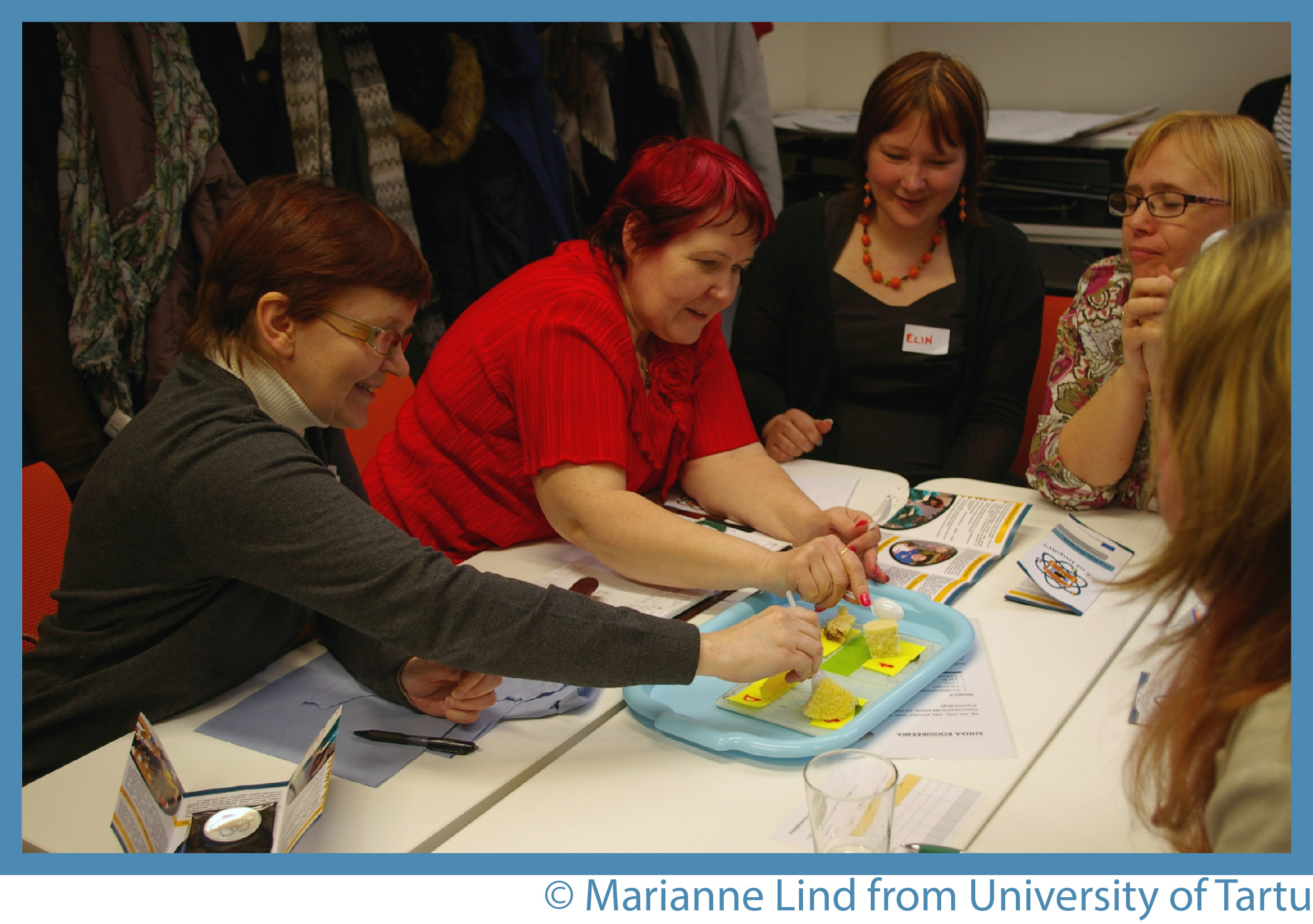 |
Representatives of 6 Estonian schools participated in a workshop on inquiry learning and participatory design of the Ark of Inquiry platform. Next meeting will be held at the end of April. |
2nd Ark of Inquiry consortium meeting was held in Nicosia, Cyprus
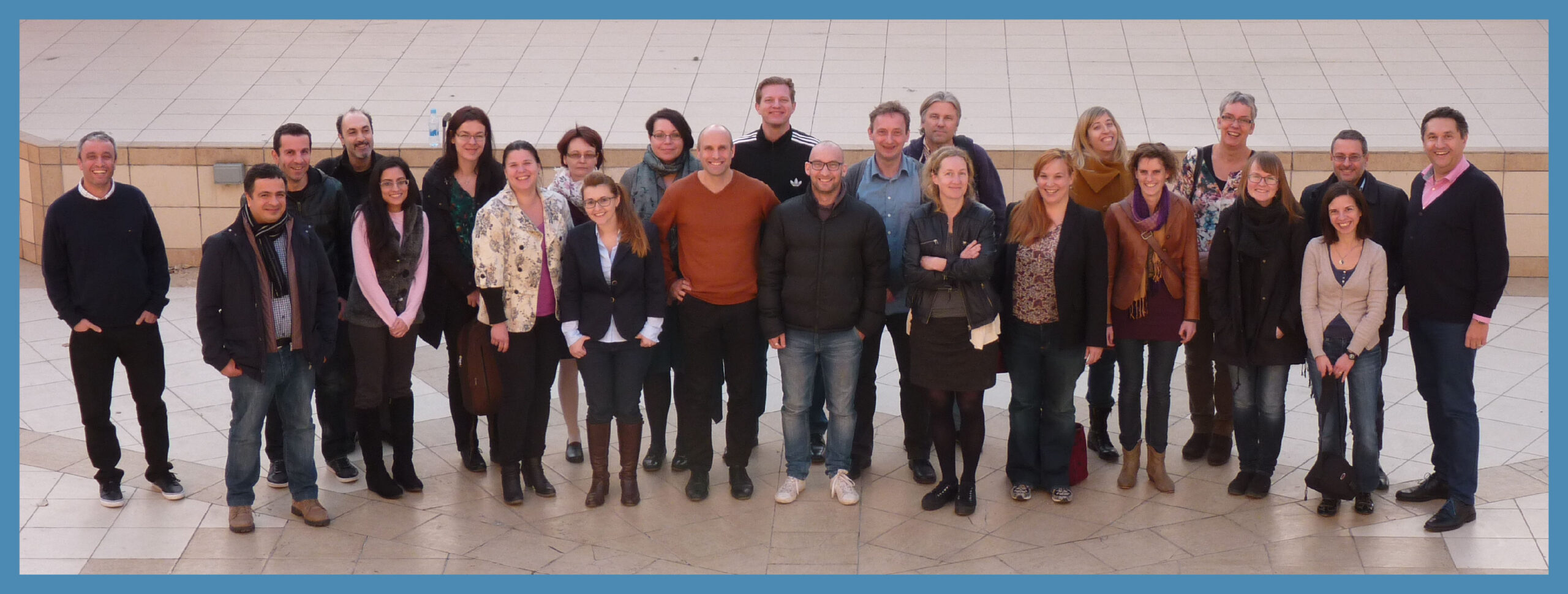
2nd Ark of Inquiry consortium meeting was held on January 26-28, 2015 in Nicosia, Cyprus. There were 21 participants from 10 different countries.
During the first day, the partners worked mostly on the internal review of the deliverables and discussed the progress done so far.
During the second day, parallel sessions were organized to cover all the essential work package responsibilities and to brainstorm in smaller groups. Project management and communication issues were also discussed on the second day.
On the third day, in a joint session the work done in the separate groups was summarized and presented to all participants for discussion and commentary. A preliminary workplan of workpackages 5 and 6 was presented and new activities starting from March 2015 were discussed.
19 January 2014 – The first Ark of Inquiry newsletter is published!
 |
You can find information about upcoming events and news about the Ark of Inquiry project in the first edition of our newsletter here. Ark of Inquiry newsletters will be issued four times a year, once in a three-month period, and will help you keep track of developments in the project. |
11 December 2014 – Building of the Ark of Inquiry community begins!
|
|
We are glad to announce that we have now started building the Ark of Inquiry community! We are honoured to invite all interested parties to register their interest by filling out this simple survey here (in English). Whether you are a primary or a secondary school teacher or a researcher, a member of a science museum or you are still studying to become a teacher, Ark of Inquiry has something for you! By joining our community you get the chance to participate in trainings, acquire a great deal of educational resources on inquiry-based science education (IBSE), share your own methods and activities, network and communicate with a great pool of people from all around Europe. Please take 1-2 minutes to fill in this form and let us know what kind of information you are interested in. You can find the survey here. We look forward to seeing you on board the Ark of Inquiry project! |
25 November 2014 – Ark of Inquiry project is introduced at a workshop for school teachers and teacher educators in the Netherlands
 |
Many school teachers in the Netherlands have been working on the implementation of science and technology in their curricula. Increasingly, pupils in Dutch primary and secondary schools have gained experience in doing inquiry activities and in developing their knowledge in the STEM domains. Schools are in need of evaluation practices that help them assess the students’ progress. In this presentation, the Ark of Inquiry project was presented with special focus on the evaluation and award system that will be built into the Ark. The workshop was held with a small audience of teacher educators and scientists who work frequently with teachers on the improvement of science education. |
Theoretical background, aims and design principles of the award and evaluation system were presented and discussed. Amongst other issues that were discussed, the participants of the workshop provided us with some positive feedback on the design principles of the evaluation system, which aims to have pupils and teachers collaborate in formative evaluation sessions through a portfolio.
24 November 2014 – Ark of Inquiry is introduced at ISATT Conference in Tartu, Estonia
 |
The first results of a pedagogical framework for the Ark of Inquiry project were presented at the International Study Association on Teachers and Teaching (ISATT) conference (November 21, 2014) held in Tartu, Estonia. The conference focused on bridging the gap between theory and practice in teacher education. |
Senior Research Fellow of Technology Education Leo Siiman, from the University of Tartu, talked about how the Ark of Inquiry project provides teachers with a clear understanding of what inquiry and inquiry activities are, and how inquiry activities can be categorized so that a learner’s inquiry capabilities (e.g. basic, advanced, expert) match the level of challenge afforded by an activity. Matching a learner to an appropriate inquiry activity is important for facilitating the improvement of inquiry skills and awareness to Responsible Research and Innovation across a wide variety of diverse students.
You can find the Abstract book of the conference (.pdf) here!
See the resources page for conference poster and presentation!
10 November 2014 – Today is World Science Day for Peace and Development
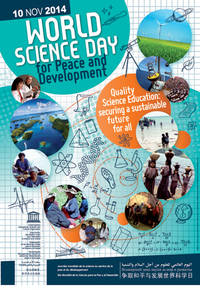 |
Established by UNESCO in 2001, the World Science Day for Peace and Development is celebrated worldwide on 10 November each year. The day offers an opportunity to mobilize various partners to highlight the important role of science in society and to engage the wider public in debates on emerging scientific issues and the relevance of science in their daily lives. The theme for the 2014 World Science day for Peace and Development is promoting Quality Science Education: ensuring a sustainable future for all. See here for the World Science Day poster (in English)! See here to read a message from Ms Irina Bokova, Director-General of UNESCO on the occasion of the World Science Day for Peace and Development. |
10 November 2014 – Ark of Inquiry project is now featured online in Scientix´s library of projects
|
|
Scientix is a FP7 project that promotes and supports a Europe-wide collaboration among STEM (science, technology, engineering and maths) teachers, education researchers, policymakers and other STEM education professionals. The main stakeholders of Scientix are teachers, researchers and project managers in STEM education, and policymakers. One of the activities of Scientix is to collect and disseminate information about European and national initiatives in science education. Ark of Inquiry project is now featured in Scientix´s library of projects. The library collects science education initiatives and projects from around EU, both international and national. Learning and teaching materials produced by the projects can also be linked to the Scientix resource repository. |
9 November 2014 – Ark of Inquiry project is introduced at iSER conference in Cappadocia, Turkey
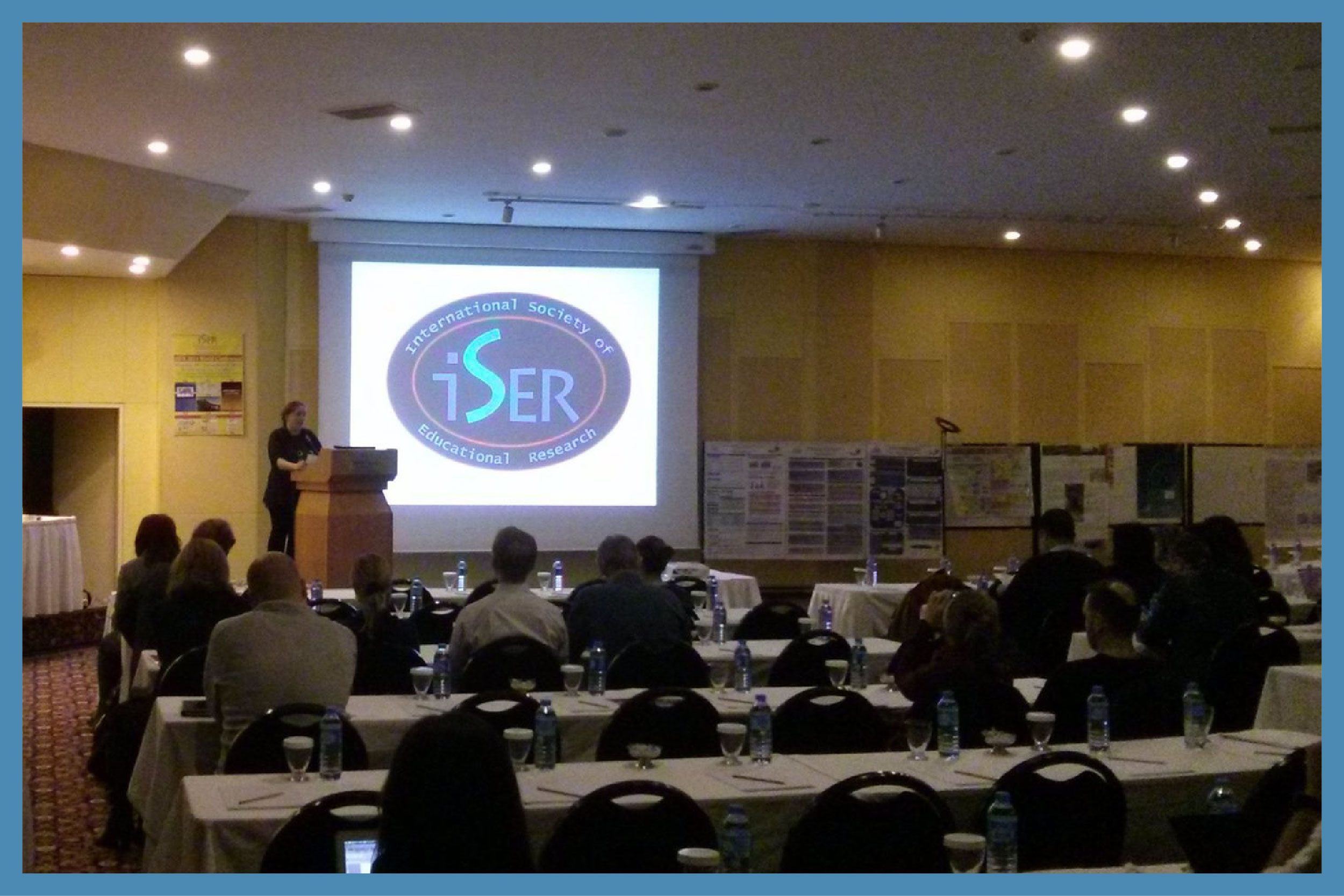 |
Ark of Inquiry project was introduced at iSER (International Society for Educational Research) World conference in Cappadocia, Turkey by prof. Bulent Cavas from Bahcesehir Egitim Kurumları Anonim Şirketi (BEKAS). iSER is a worldwide organization that aims to provide a forum for sharing insights, problems and issues, and research outcomes among educational researchers, policy makers, educators, and other stakeholders who wish to contribute to the existing knowledge base and improve practice in the field. Ark of Inquiry project is featured in the Book of Abstracts of the conference (page 51). |
7 November 2014 – Ark of Inquiry project is introduced at Scientix Conference in Brussels, Belgium
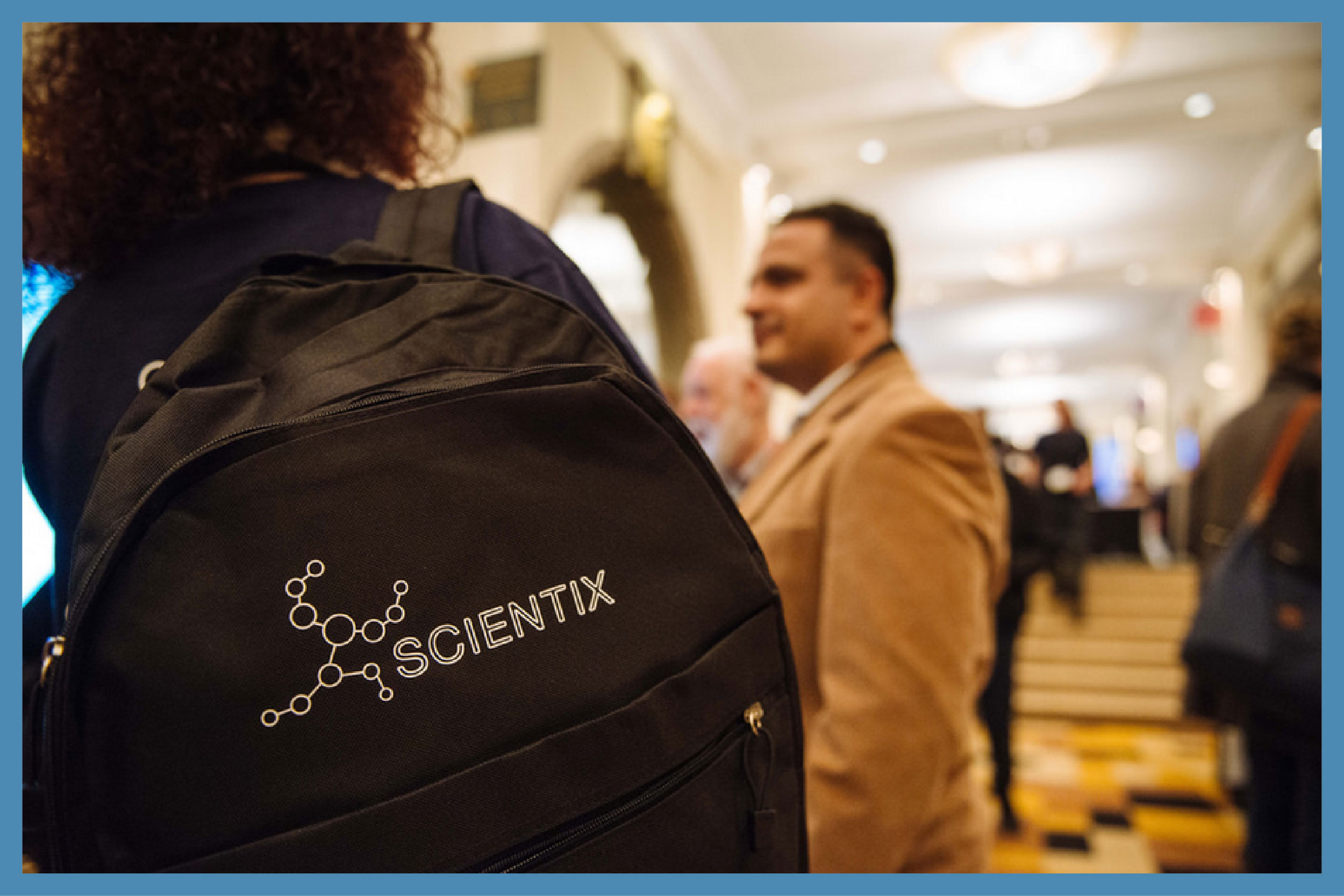 |
Ark of Inquiry project was introduced at the 2nd Scientix Conference that took place on 24 – 26 October 2014 in Brussels, Belgium. With 70 talks, 14 workshops, 7 round-tables, 25 exhibition stands and over 600 participants, the conference was one of the largest events in STEM (Science, Technology, Engineering and Maths) education in Europe. Ark of Inquiry Project flyers were distributed by prof. Bulent Cavas (BEKAS) and Mónika Reti (HRTA). See photos of the conference here! |
27 October 2014 – Ark of Inquiry project is introduced at workshops for primary school teachers and teacher educators in the Netherlands
|
|
Ark of Inquiry project was introduced at a workshop titled “Welcome on board of the Ark of Inquiry” in the Centre of Expertise Quality of Learning, HAN University of Applied Sciences, Netherlands. The workshop was held before a group of primary school teachers and teacher educators who have specialized in science education and inquiry learning. The teachers and teacher educators were part of a national Dutch network of science and technology education. In two hours the participants got acquainted with the Framework of Inquiry Proficiency of Ark of Inquiry project, and project´s ideas about evaluating pupils’ progress in such a framework. In subsequent discussions they went through their own school practices and how this related to the framework. In the workshop Bregje de Vries (HAN) presented the principles of the Ark of Inquiry project and together with the participants found answers to the following questions: What are the teachers already doing in their own school practices to develop pupils’ inquiry proficiency? How could teachers assess pupils´ skills ? How could teachers present new just-in-time inquiry-based activities to different pupils?
|
20 October 2014 – Ark of Inquiry project is introduced at the annual GDCP conference
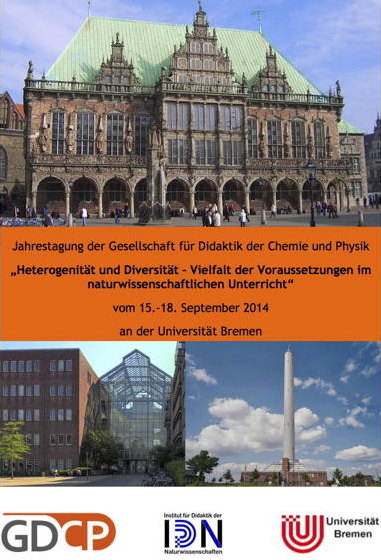 |
Ark of Inquiry project was introduced at the annual GDCP conference (http://www.idn.uni-bremen.de/gdcp2014/) in Bremen, Germany (September 15-18, 2014) by prof.Rüdiger Tiemann from the Humbolt-Universität zu Berlin (HUB). The GDCP (Gesellschaft für Didaktik der Chemie und Physik, Association of Chemistry and Physics Education) is the largest organization for research in chemistry and physics education in Germany. About 400-500 participants attend the annual conference each year. Keynotes, small presentations, workshops and posters draw a detailed picture of different research projects and trends in future. The next conference will be held at Humboldt-Universität zu Berlin, Germany (14.09-17.09.2015). Take a look at the conference poster (in German)! |
27 September 2014 – Ark of Inquiry project is introduced at XVI IOSTE Symposium in Kuching, Malaysia
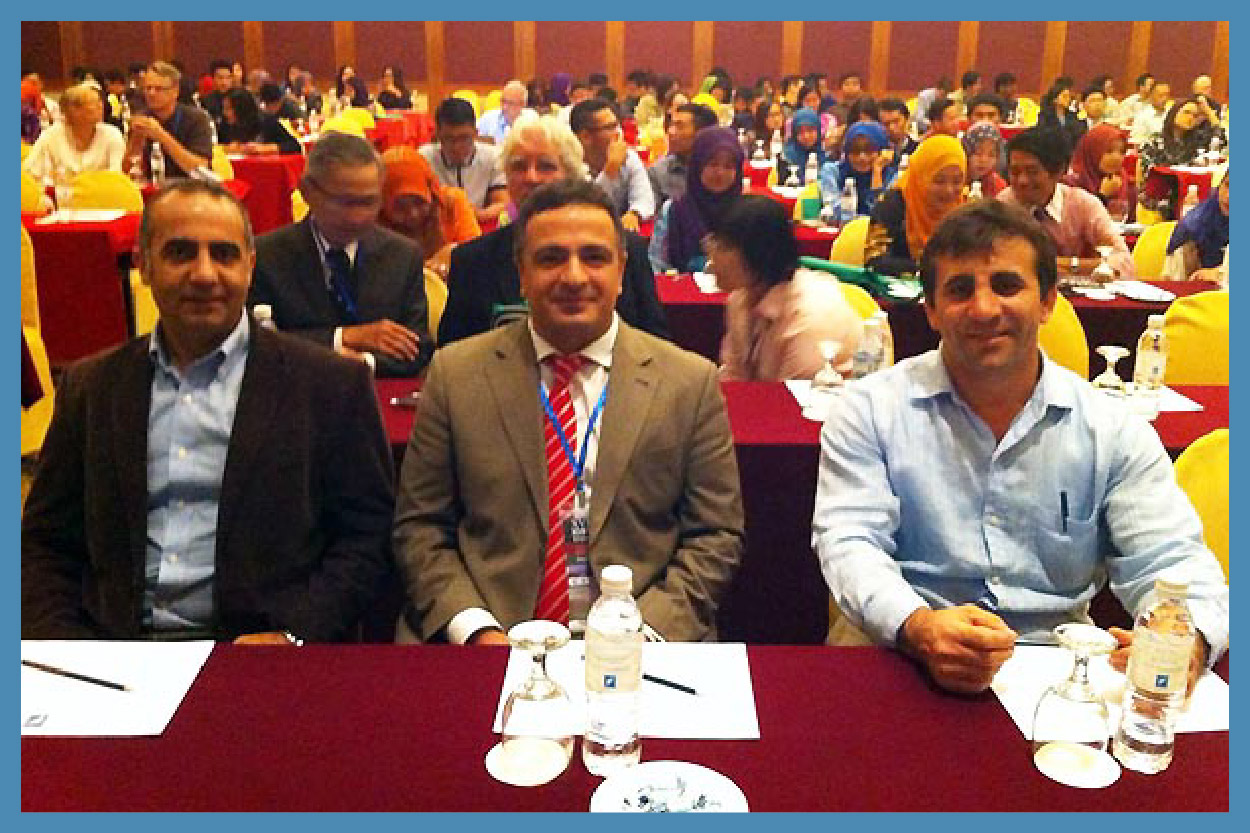 |
Ark of Inquiry project was introduced at XVI IOSTE Symposium in Kuching, Malaysia (September 21-27, 2014) by prof. Bulent Cavas from Bahcesehir Egitim Kurumları Anonim Şirketi (BEKAS). IOSTE stands for The International Organization for Science and Technology Education. It is an international organization which aims to encourage informed debate, reflection and research on science and technology (S&T) education. |
26 August 2014 – Ark of Inquiry project is introduced at PROFILES Conference in Berlin, Germany
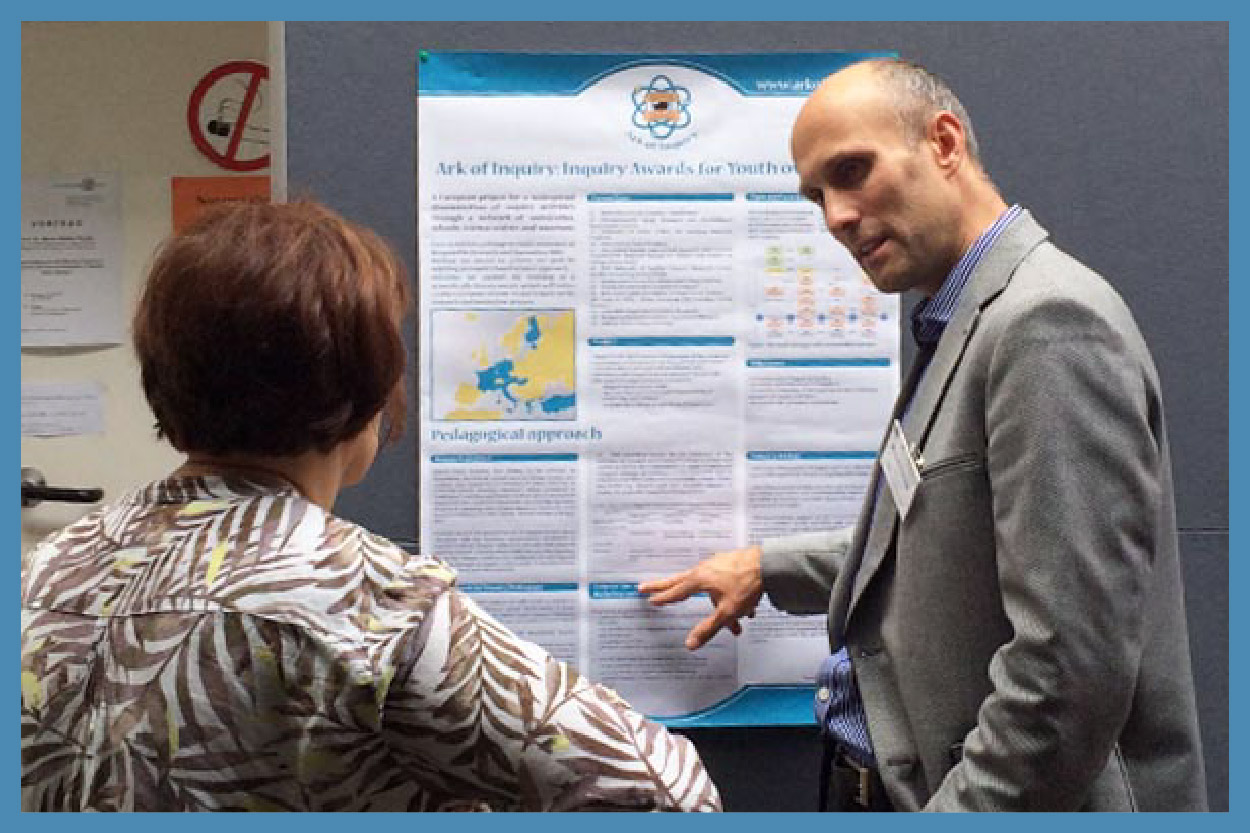 |
Ark of Inquiry project was introduced at a Science Fair organized in the context of 2nd International PROFILES Conference on Enhancing Scientific Literacy in Berlin, Germany (August 25 -27, 2014) by prof. Margus Pedaste from University of Tartu (UT). |
The first Ark of Inquiry publication is available
 |
The first publication related to the Ark of Inquiry project was published in the conference proceedings of the 2nd International PROFILES Conference on Enhancing Scientific Literacy. The contribution by Professor Margus Pedaste and co-authors outlines the main aim of Ark of Inquiry to raise youth awareness to responsible research and innovation through inquiry-based science education. The initial work on a pedagogical framework to guide the Ark of Inquiry project is presented in this publication. You can read more [here], pages 291-296. |
7 March 2014 – The first Ark of Inquiry project meeting is held in Tartu
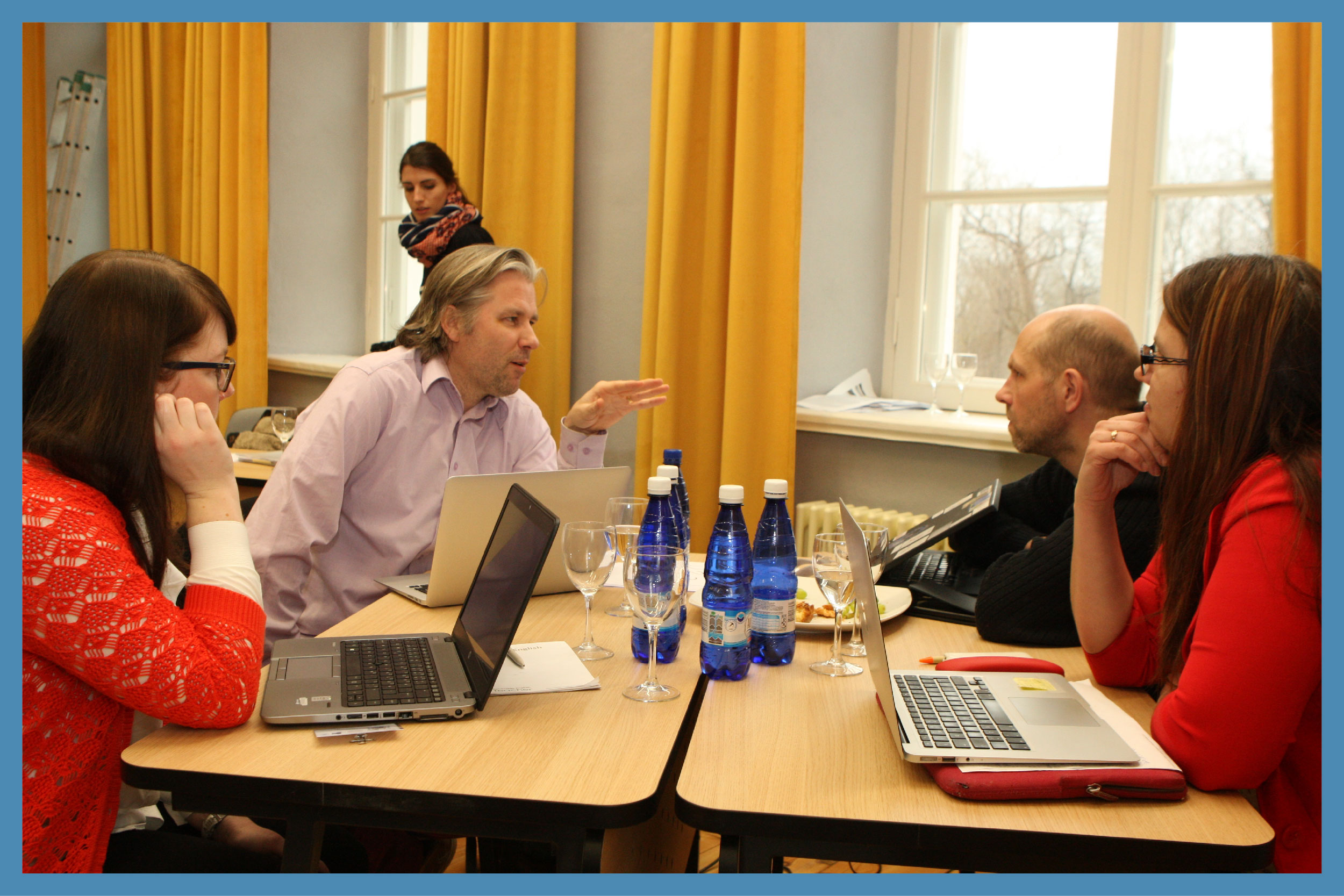 |
The kick-off meeting for the Ark of Inquiry project was held on March 3-6, 2014 in Tartu, Estonia. There were 31 participants from 12 countries. On the first day the meeting began with a general introduction to the project, expected outcomes, demonstration of a preliminary prototype and an icebreaker activity to acquaint participants to each other. The second and third days were devoted to planning and discussing partner responsibilities and goals in the projects’ various work packages. Two parallel sessions were organized to cover all the essential first-year work package responsibilities. In a joint session the work done in the separate groups was summarized and presented to all participants for discussion and commentary. On the final day the Ark of Inquiry year one project plans were reviewed and project management and communication issues were discussed.. |


