Environmental Technology Lab
News
Welcome to our “news” section, where we share the latest updates, research highlights, and achievements from our laboratory. Stay informed about our ongoing projects, upcoming events, and milestones as we continue advancing scientific discovery.
- FutureScapes Fieldwork Workshop Day (30.03.26)
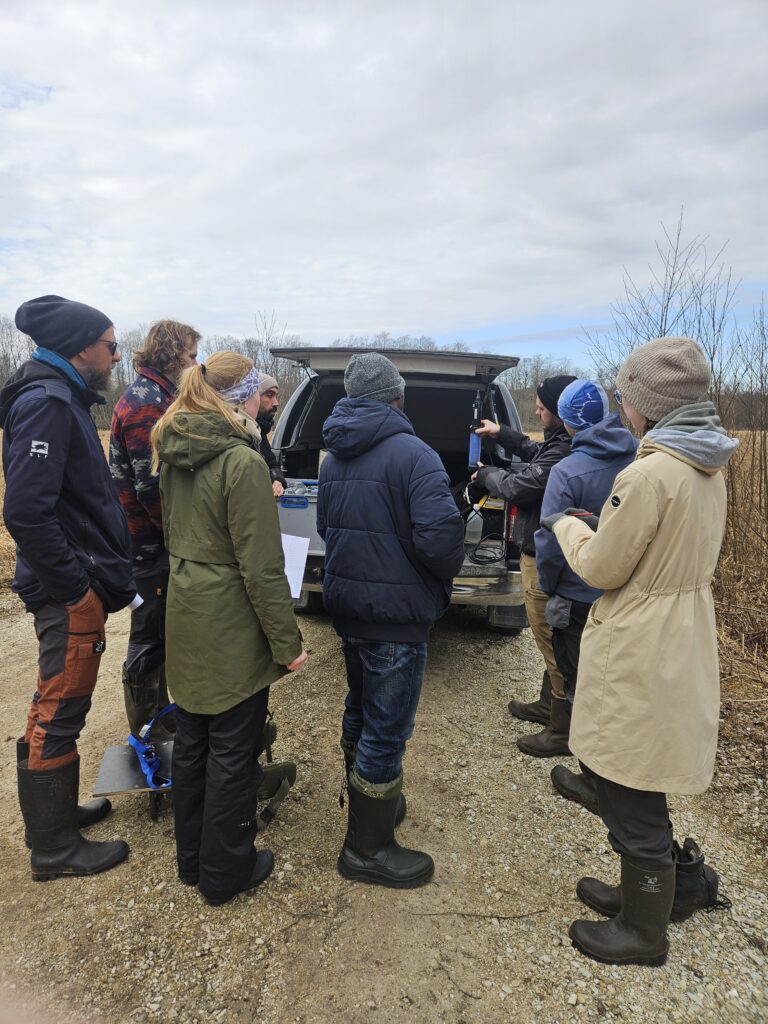
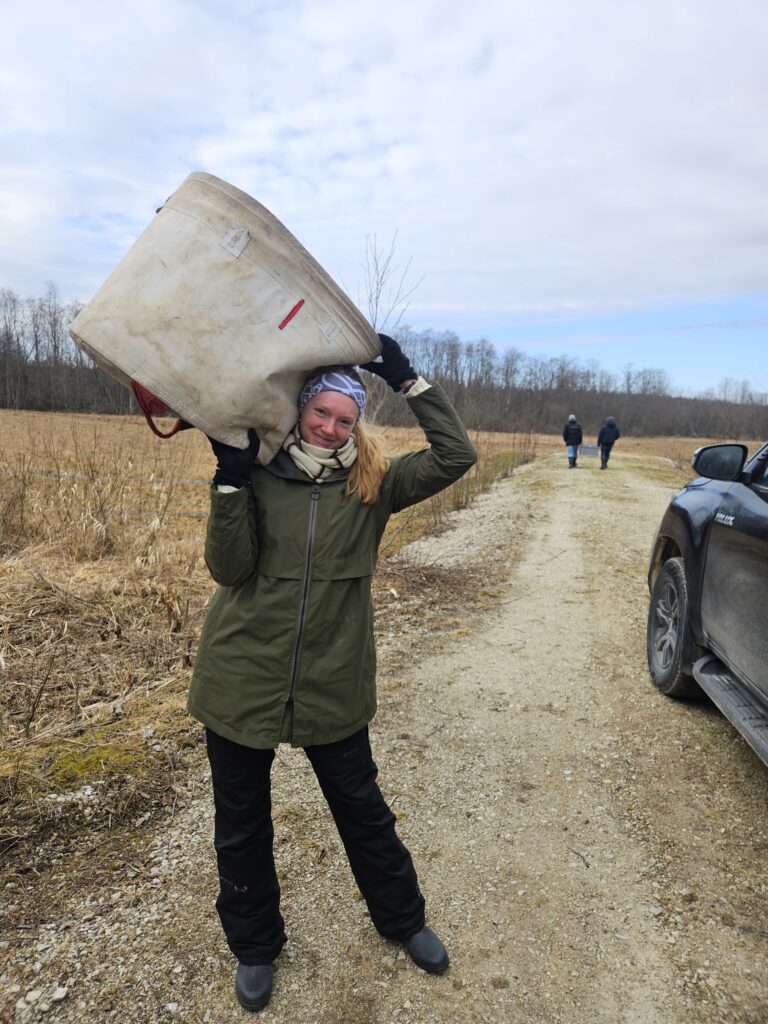
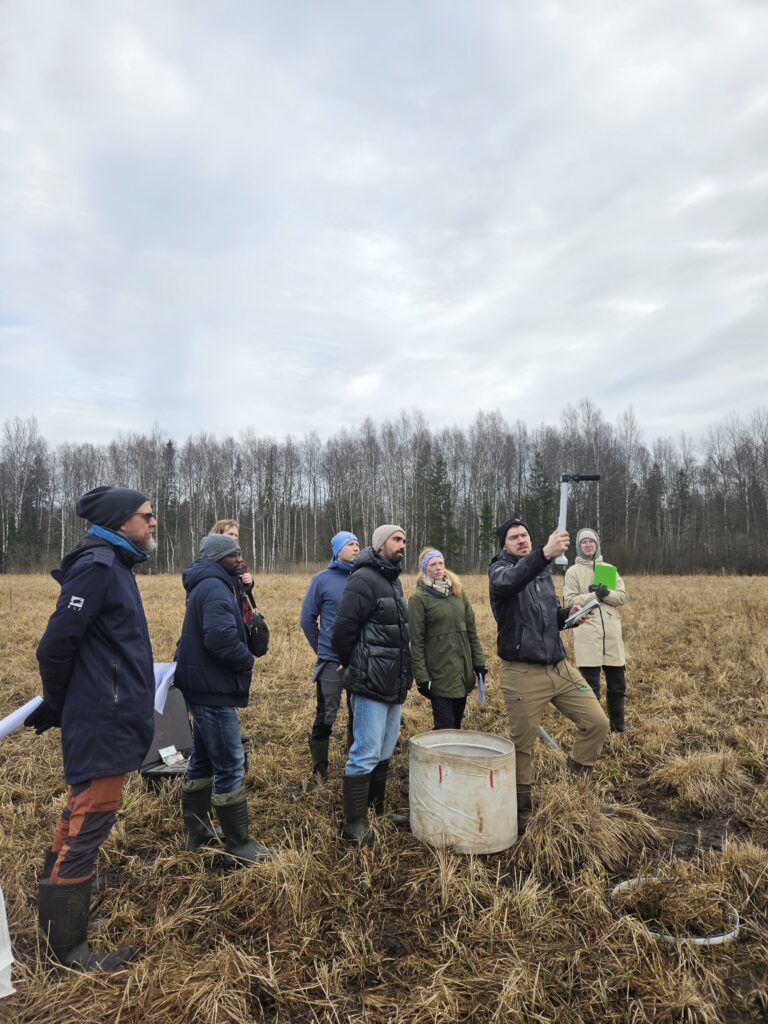
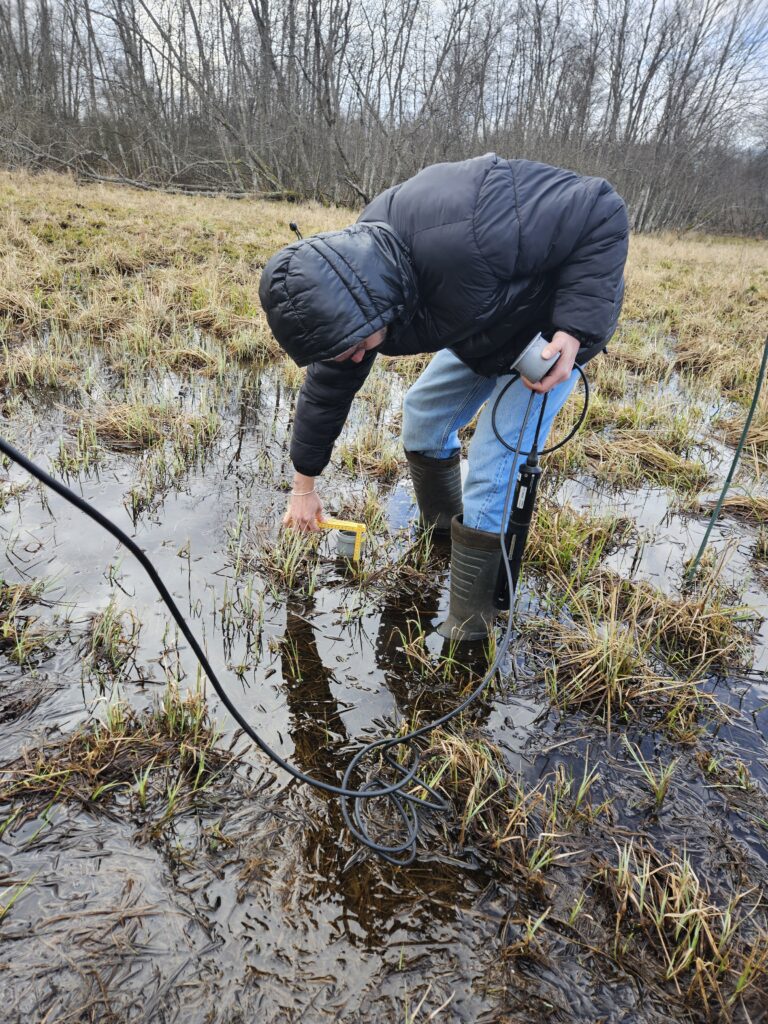
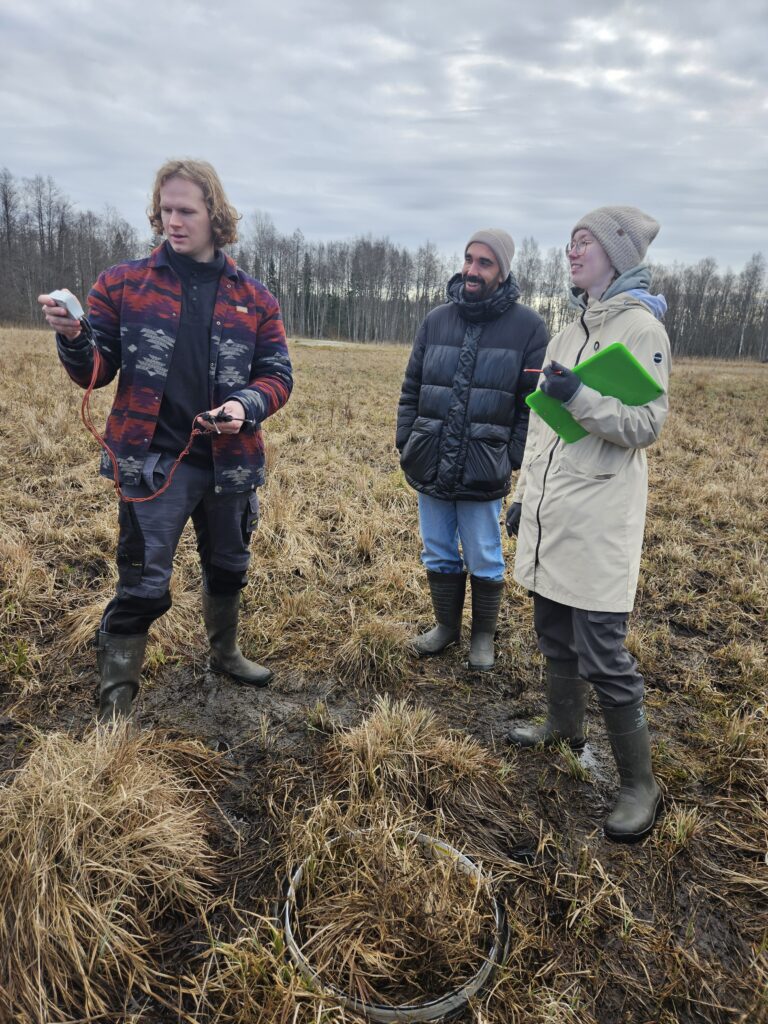
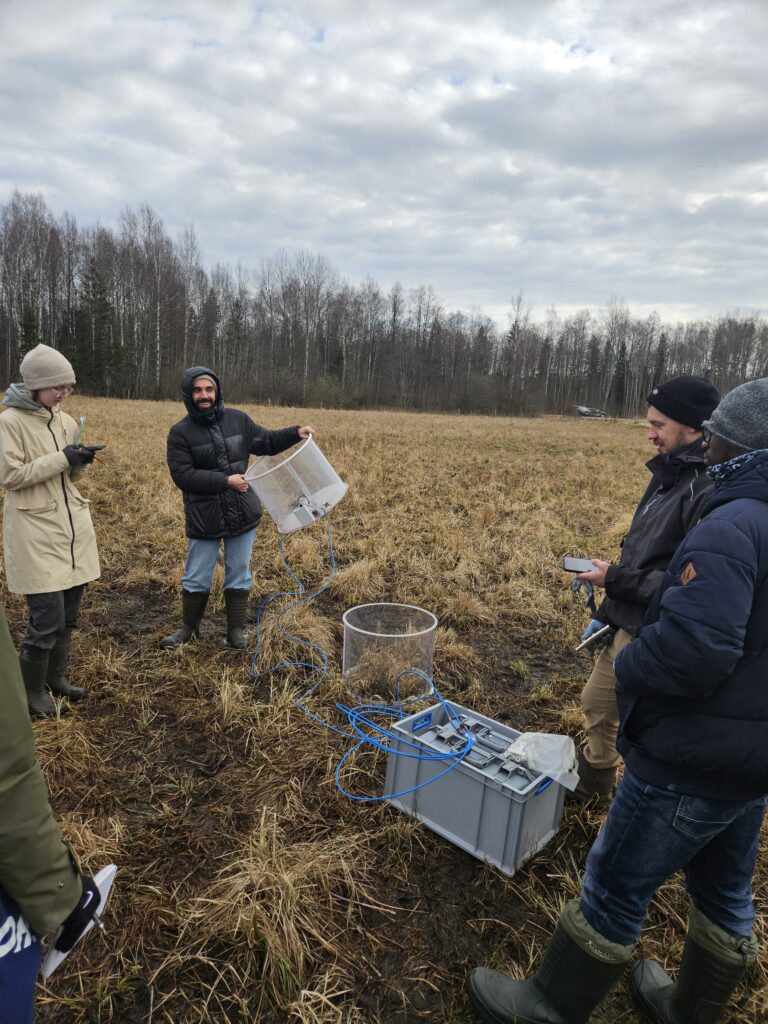
Today, our team organized and participated in a fieldwork workshop as part of the FutureScapes project. As an intensive fieldwork period begins in April, the purpose of today’s session was to ensure that all participants are familiar with the measurement equipment and can carry out measurements correctly. Among other things, we reviewed how to measure water levels, as well as water pH and oxygen content, soil composition, and gas fluxes. The day was successful, and we are now fully prepared for the upcoming fieldwork.
A special thanks to Ilona for organizing such a well-structured and valuable workshop.
- ForPeat project highlights the role of forested peatlands in climate and sustainable management (24.02.26)
A new explanatory video from the ForPeat project has been released, highlighting the role of forested peatlands in the climate system and their sustainable management. The video explains how peatlands function as major carbon sinks, but can become significant sources of greenhouse gas emissions when drained or intensively managed. It also provides an overview of the project’s objectives and the need for science-based solutions to reduce environmental impacts. Watch the video here.
- Tartu University Open Doors Day (26.02.26)
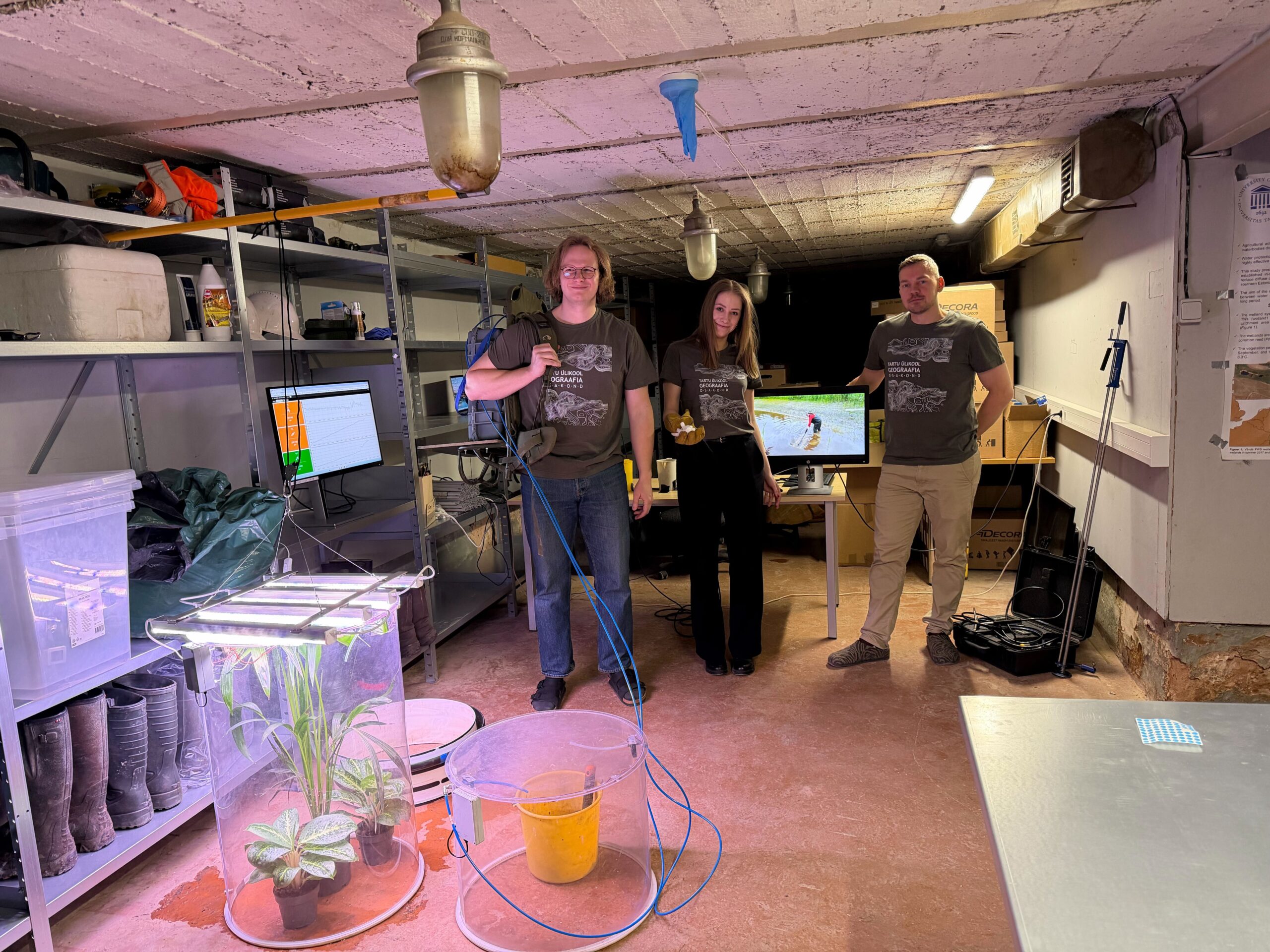
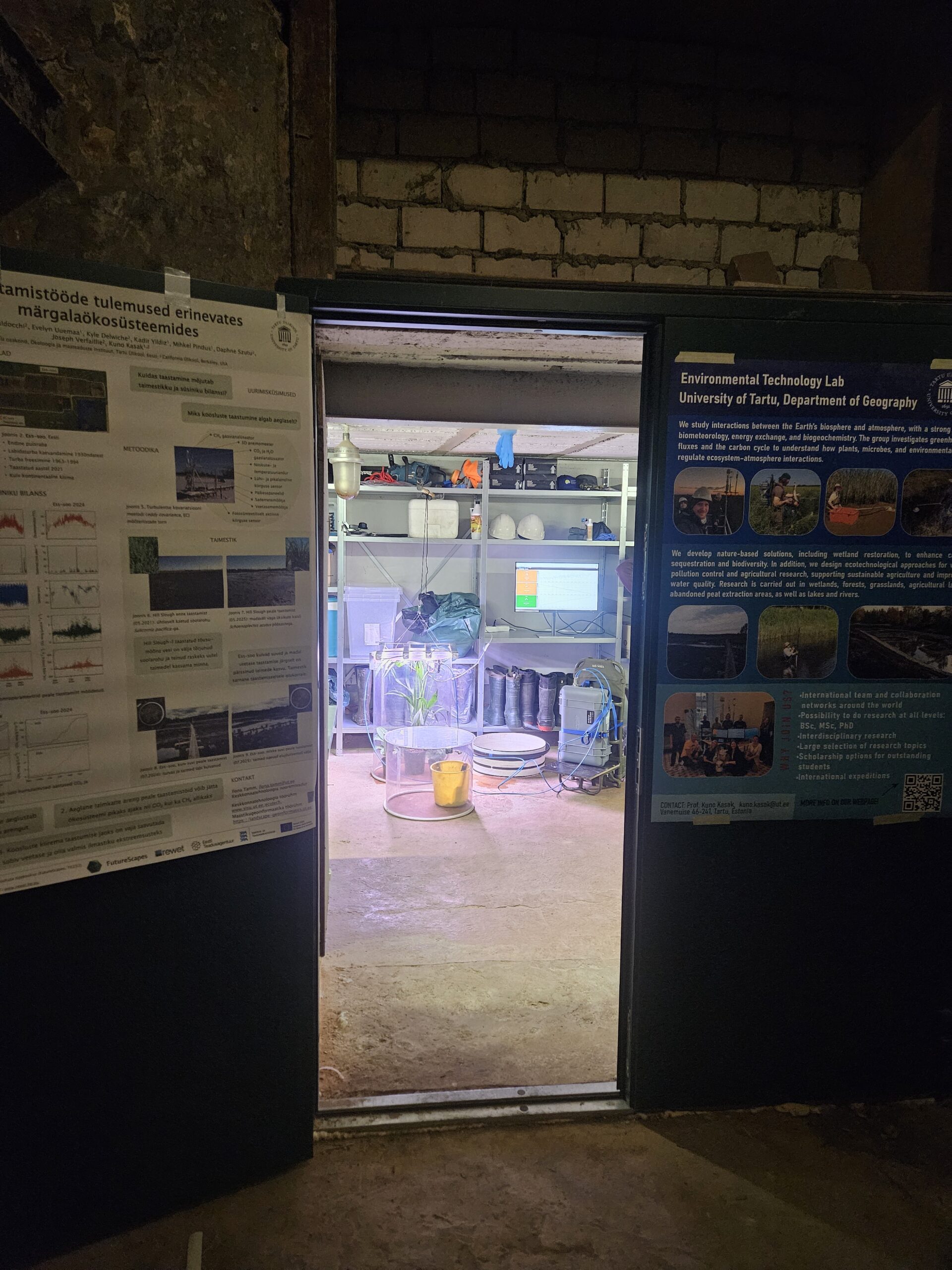
Our working group participated in the Tartu University Open Doors Day with an exciting workshop titled “What Do Plants Breathe? Come See the Invisible!”. The workshop took place in a unique and interesting atmosphere — inside a bomb shelter — adding an extra layer of curiosity and engagement for visitors.
During the workshop, we discussed and demonstrated the properties of carbon dioxide and methane to visitors. We provided detailed explanations and hands-on demonstrations of how we perform chamber measurements during our fieldwork to estimate greenhouse gas fluxes. Especially enthusiastic participants even had the chance to try on some of our fieldwork equipment.
In the final practical part of the workshop, participants were challenged to identify different types of natural water in various containers. To assist them, we provided our water chemistry measurement device, which displayed multiple water parameters such as oxygen content, conductivity, pH, and more.
To wrap up, we discussed the activities of our working group, shared insights on university life in general, and discussed our personal experiences in research.
The workshop was led by Jürgen, Joosep, Ilona, and Annabel.
You can read more about the event here.
- Our Working Group at the Maarjavälja Career Day (18.02.26)
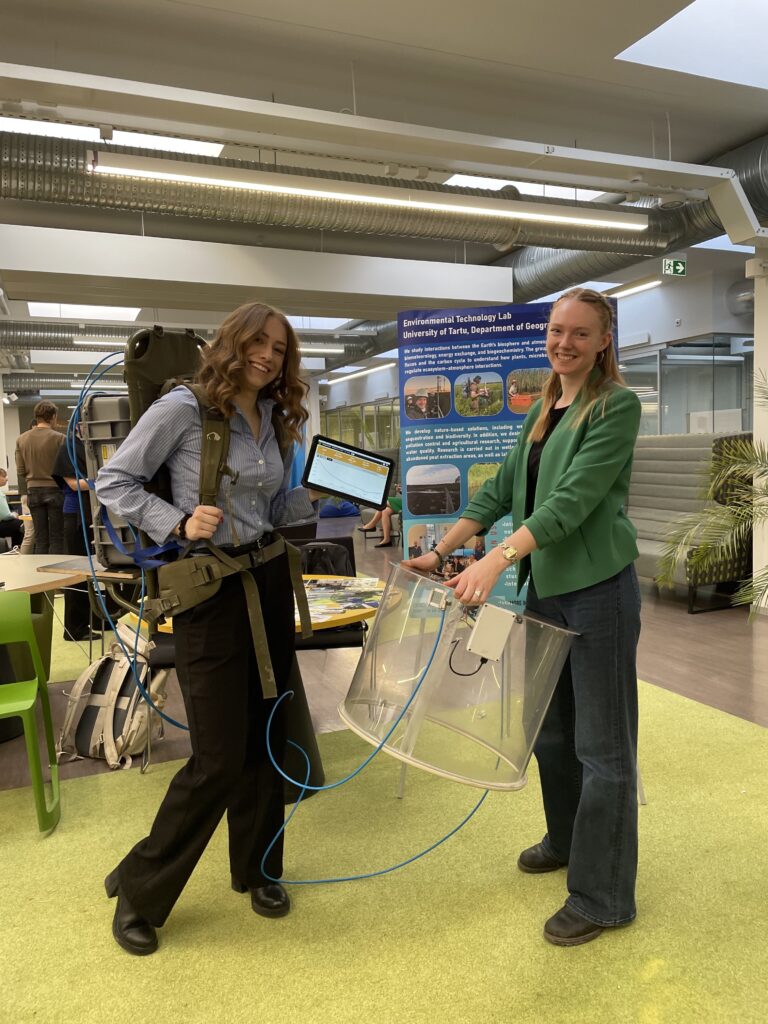
For the first time, institutes and their research groups were invited to participate in the university-organized Maarjavälja Career Day. Naturally, our working group was pleased to participate and showcase our research activities at the event. Our team was represented by Annabel and Lii.
The aim of the Career Day is to introduce students in the fields of natural sciences and technology to a wide range of career opportunities. During the event, we were primarily looking for motivated students interested in writing their Bachelor’s, Master’s, or PhD theses within our group. In addition, we also offered internship opportunities.
The day was a great success — we had the opportunity to meet many enthusiastic and curious students and to introduce them to our research topics and ongoing projects.
You can read more about the event here.
- Annual Writing Retreat at Kääriku Sports Center (16.02-18.02.26)
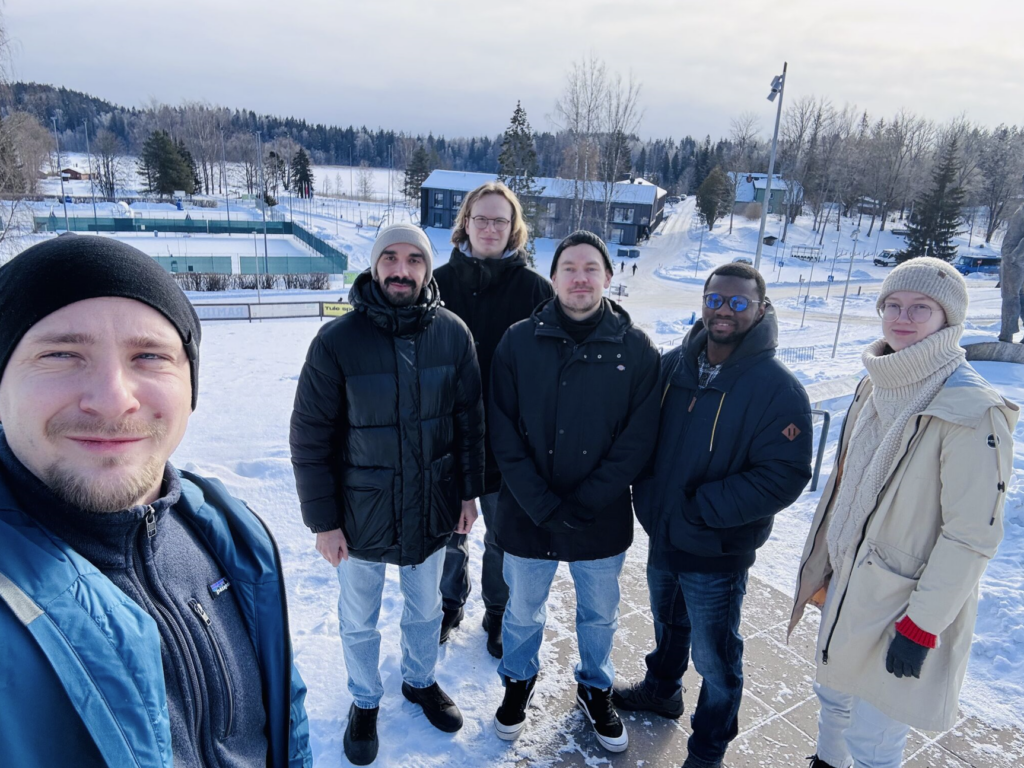
Our team once again gathered at the Kääriku Sports Center for our traditional annual doctoral writing retreat — a focused event dedicated primarily to advancing PhD manuscripts and dissertation work, alongside ongoing research papers.
Several studies are currently in progress. Our Professor Kuno continues working on finalizing his paper on methane (CH₄) dynamics in savanna ecosystems. Ilona has started drafting a new global methane manuscript focusing on flux drivers in free-surface water ecosystems. Kadir is nearing completion of his study addressing energy and water balance in abandoned peat extraction areas and restored peatlands.
Research on greenhouse gas (GHG) fluxes from drainage ditches is also progressing. Joosep is analysing ditch GHG fluxes before and after ditch reconstruction works. In parallel, Jürgen is finalizing a paper on changes in water quality following peatland forest drainage ditch reconstruction, together with potential mitigation measures.
We are also pleased to highlight that Isaac has officially begun working on his PhD thesis during the retreat.
As always, the retreat combined focused writing sessions with sports activities and sauna — keeping both mind and body energized throughout the process.
FutureScapes – ForPeat – REWET
- We are excited to announce that the NitroScope website is now live! (30.01.26) – https://nitroscope.eu/
- NitrosCope Press Release (11.11.2025), Ghent: https://www.youtube.com/watch?v=SpHi2KfiOuI
Nitrogen management takes a major step forward in Europe
NitroScope project launches in Ghent
Nitrogen is a cornerstone of agricultural productivity, yet its excessive use continues to harm soil health, water quality, and climate. To address this challenge, the NitroScope project officially kicked off with a two-day meeting at Ghent University. The project aims to advance the quantification, management, and conservation of nitrogen fluxes across Europe, helping farmers and policymakers adopt more sustainable practices.
Achieving climate neutrality by 2050 is a central goal of the European Green Deal. However, soil-derived gaseous nitrogen emissions from agriculture are often overlooked due to challenges in monitoring.
Kick-off meeting overview
Hosted by the coordinating partner Ghent University, the meeting brought together representatives from 25 partner organisations across Europe, including universities, research centres, and industry leaders. Over 50 experts from 15 countries convened to align on a shared vision for monitoring and reducing nitrogen losses from European soils.
Throughout the two days, the consortium:
- Addressed the NitroScope objectives and methodologies, focusing on the reduction of nitrogen losses from agriculture and improving nitrogen use efficiency.
- Outlined the deployment of innovative sensing technologies, including multi-sensor soil platforms and remote sensing, across over 100 data collection sites and 5 pilot sites, representing Europe’s diverse pedo-climatic zones.
- Discussed multi-actor engagement strategies to involve farmers, advisors, and policymakers in monitoring nitrogen fluxes and co-developing sustainable management practices.
NitroScope objectives
NitroScope’s ambition is to provide systemic solutions for better quantification and management of nitrogen fluxes, from the field to the continental scale. The project will:
- Develop and validate sensor-based tools and models to monitor nitrate leaching and nitrous oxide emissions in real time.
- Create a European nitrogen database and cloud platform, ensuring open access and harmonisation of soil, crop, and emission data.
- Design farm management add-ons integrated into existing decision support systems to help farmers optimise fertiliser application with precise temporal and spatial accuracy.
- Update the European nitrogen budget, for the first time in over two decades, using new data and advanced modelling.
- Deliver policy recommendations supporting the EU Green Deal, the Soil Strategy for 2030, and the Nitrates Directive.
Kick off meeting outcomes
The kick-off meeting established a comprehensive action plan, clarifying technical milestones, stakeholder engagement timelines, and communication activities. The partners also agreed on the strategy for the NitroScope five pilot sites, located in Belgium, Switzerland, Italy, Norway, and Greece, which will test precision nitrogen management and conservation practices tailored to local conditions.
“NitroScope will generate the most detailed picture yet of Europe’s nitrogen flows, helping farmers and decision-makers take concrete steps toward sustainable soil management,” said Professor Abdul Mouazen at Ghent University, and coordinator of NitroScope. “By combining cutting-edge science with practical tools, we aim to make nitrogen efficiency a reality across Europe”.
Next steps
In the coming months, NitroScope partners will begin deploying sensors, establishing farm networks, and setting up the project’s cloud-based database. Early findings on nitrogen flux patterns and management practices are expected in mid-2026, contributing to Europe’s transition towards climate-smart and resilient agriculture.
Project consortium
Ghent University
Hahn-Schickard
Walloon Agricultural Research Center
Norwegian University of Life Sciences
Seinäjoki University of Applied Sciences
University of Helsinki
University of Tartu
Technical University of Crete
Agricultural University of Athens
Ca Colonna Società Agricola
FCiências.ID – Associação para a Investigação e Desenvolvimento de Ciências
Faculdade de Ciências da Universidade de Lisboa
Czech University of Life Sciences Prague
Institute of Soil Science and Plant Cultivation
University of Edinburgh
NGO Soil Protection
Institute for Development and Innovation
Prinsus
University of Kaiserslautern-Landau
EarthDaily Agro
Leibniz Institute of Vegetable and Ornamental Crops
Cesens Technologies
ena Development Consultants
University of Applied Sciences and Arts Northwestern Switzerland
Agroscope
For further information, you may contact the project coordinator, Professor Abdul Mouazen, and the communication manager, Mrs Zafeiro Vaxevanidou at info@nitroscope.eu