

Disinformation Cooperation Platform
Seminar draws attention to the role of disinformation, alternative medicine and chatbots in healthcare
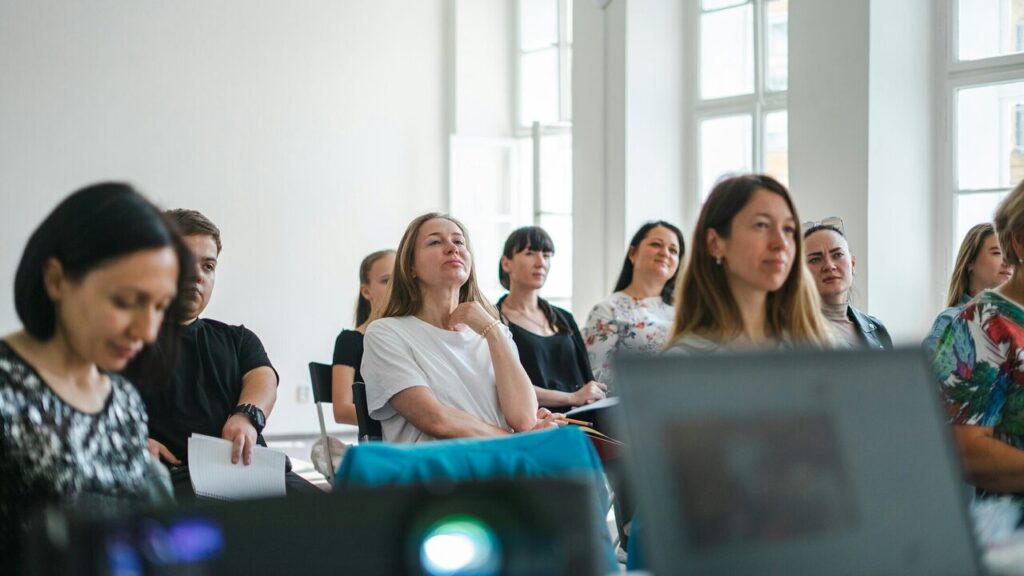
The fourth seminar organised by the Disinformation Cooperation Platform at the University of Tartu brought together social scientists, healthcare researchers and practitioners. The seminar focused on how misinformation, alternative treatment practices and artificial-intelligence applications influence people’s health and trust in the medical system — and explored possible ways to address these challenges.
The seminar was opened by Associate Professor Maria Murumaa‑Mengel, who analysed the nature of information disorders and their societal impact. She explained how misinformation, disinformation and malinformation shape public opinion — and why conspiracy theories tend to persist. “Misinformation is not only a technical problem — it affects trust, mental health and social cohesion,” she argued.
Murumaa-Mengel also emphasised the role of social media algorithms, which often privilege anger-driven or fear-inducing content, as well as the spread of trolling culture in digital media. According to her, toxic comments and hostile tone online discourage people from participating in public debates; those who engage with malicious commentators risk being drawn into confrontation or even unintentionally adopting their aggressive style.
From an anthropological perspective, Associate Professor of Social Innovation Marko Uibu focused on the appeal of alternative and traditional medicine practices. He noted that alternative remedies and supplementary therapies are often intertwined with people’s identities and ways of life, and may offer emotional support — especially in times of crisis. However, Uibu cautioned that we should not endorse experimental methods blindly, while also warning that ridiculing such practices can turn debates toxic and hostile.
Marko Uibu presented examples of cultural differences in the use of complementary therapies in Estonia and Europe, and discussed where the boundary lies between safe supplementary practices and dangerous alternatives. According to Uibu, problems arise when evidence-based treatment is replaced with risky methods. From the perspective of healthcare professionals, this raises the question of how to preserve patient autonomy when their choices are not based on scientific evidence. The seminar concluded that motivational interviewing and a trusting relationship are of key importance.
Professor in Media Studies, Andra Siibak, examined the growing role of chatbots (AI-powered conversational agents) as “digital companions” in health communication. Siibak warned that artificial intelligence is not a magical solution — excessive trust in chatbots can be dangerous. While such conversational agents may offer support, they rely on statistical correlations rather than genuine understanding. Over-reliance on them occasionally leads individuals to treat chatbot recommendations as more credible than doctors’ advice, which may result in misleading diagnoses or new ethical dilemmas. She also highlighted increasing privacy risks, issues around datafication, and the need for institutional safeguards.
During the seminar, specialists from the Institute of Family Medicine and Public Health assessed whether chatbots could become part of primary healthcare in the future. The discussion concluded that although AI-driven tools might be useful for prevention and mental-health support, they must not replace doctors’ decision-making. Participants recalled that while AI-driven chatbots (e.g., models similar to ChatGPT) may appear empathetic, their responses can be inadequate — potentially leading to various risks if treated as substitutes for professional care.
As possible ways forward, participants proposed strengthening digital and health literacy, providing institutional support for professionals, and raising awareness among both healthcare workers and patients. Even small steps — such as micro-interventions, respectful and fact-based communication — could help reduce the influence of misinformation and restore trust.
The seminar took place on 18 November 2025. Presentations were given by researchers from the University of Tartu Institute of Social Studies, and the discussion featured family doctors Marje Oona and Tatjana Meister, as well as Pisar Pind, a resident doctor in family medicine. The event was organised by the University of Tartu Institute of Social Studies together with the Institute of Family Medicine and Public Health, within the framework of the Disinformation Cooperation Platform project launched with the support of the University of Tartu Development Fund.


