

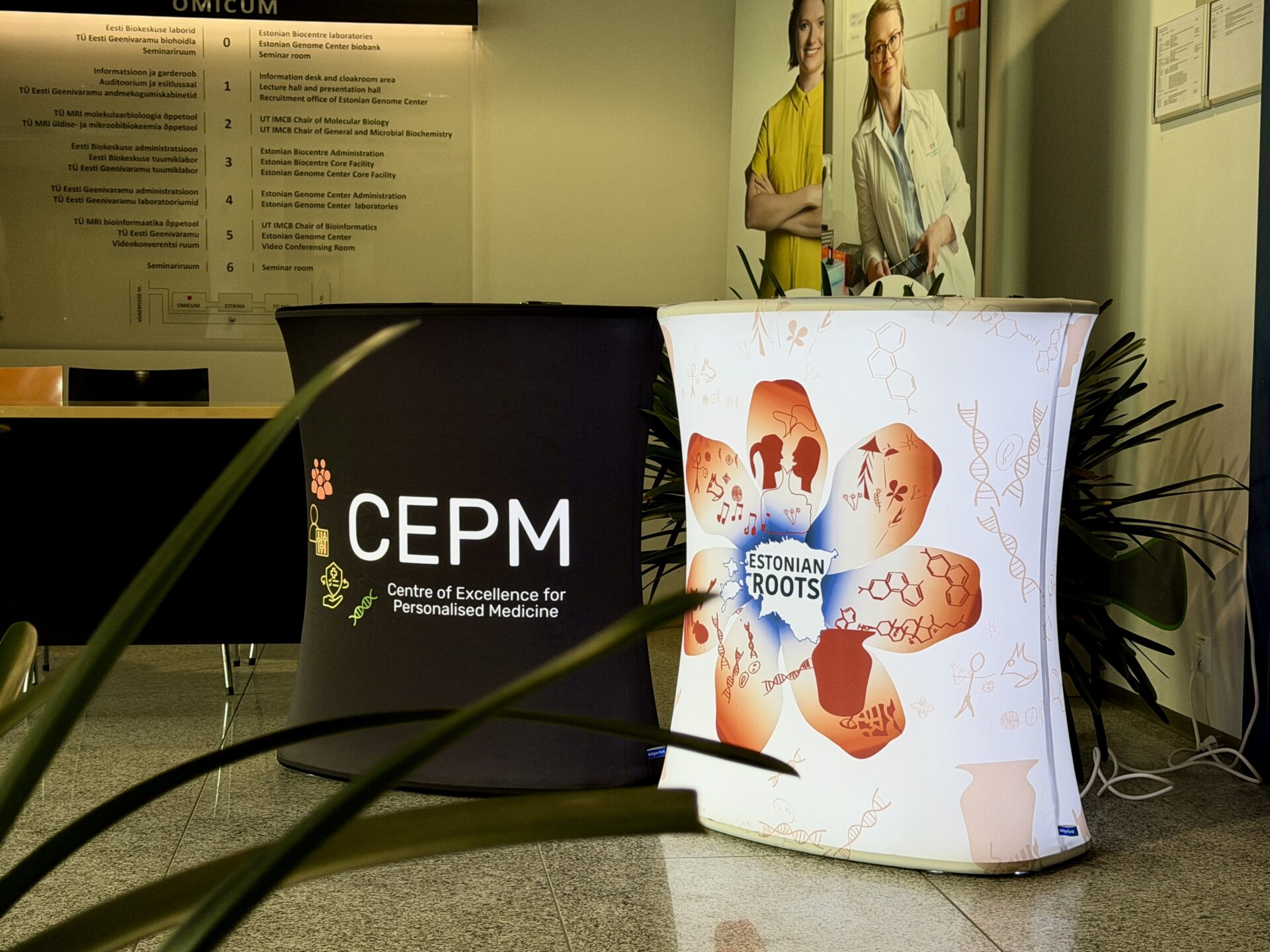
Spring Summit of the Centres of Excellence Held in Tartu
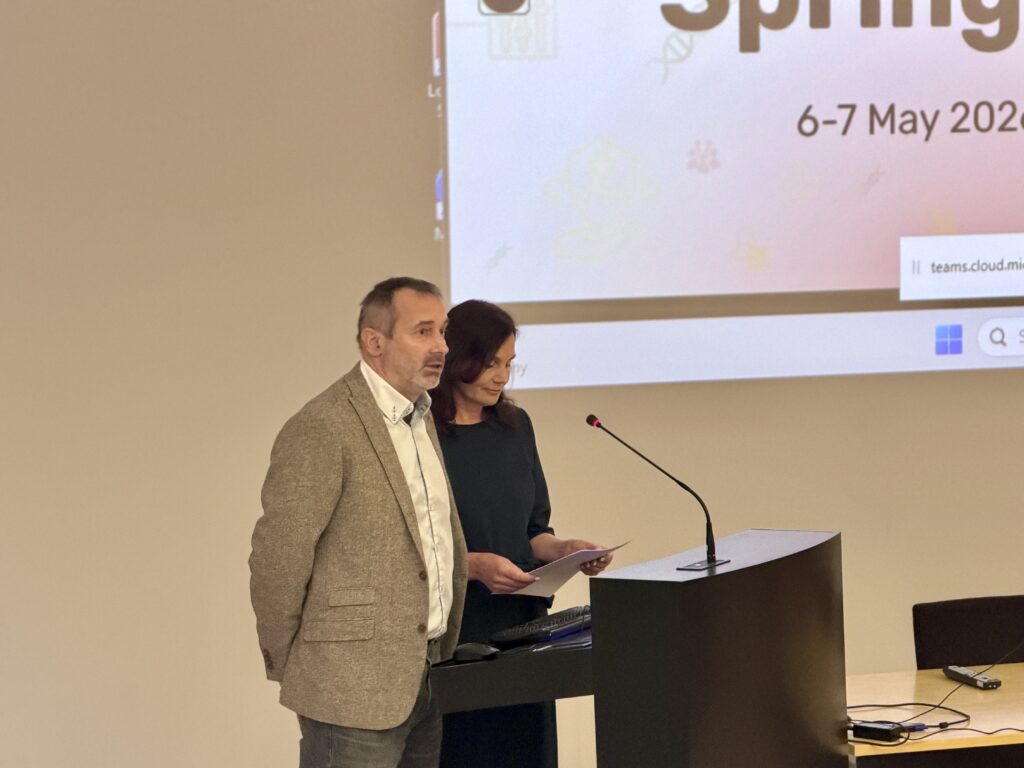
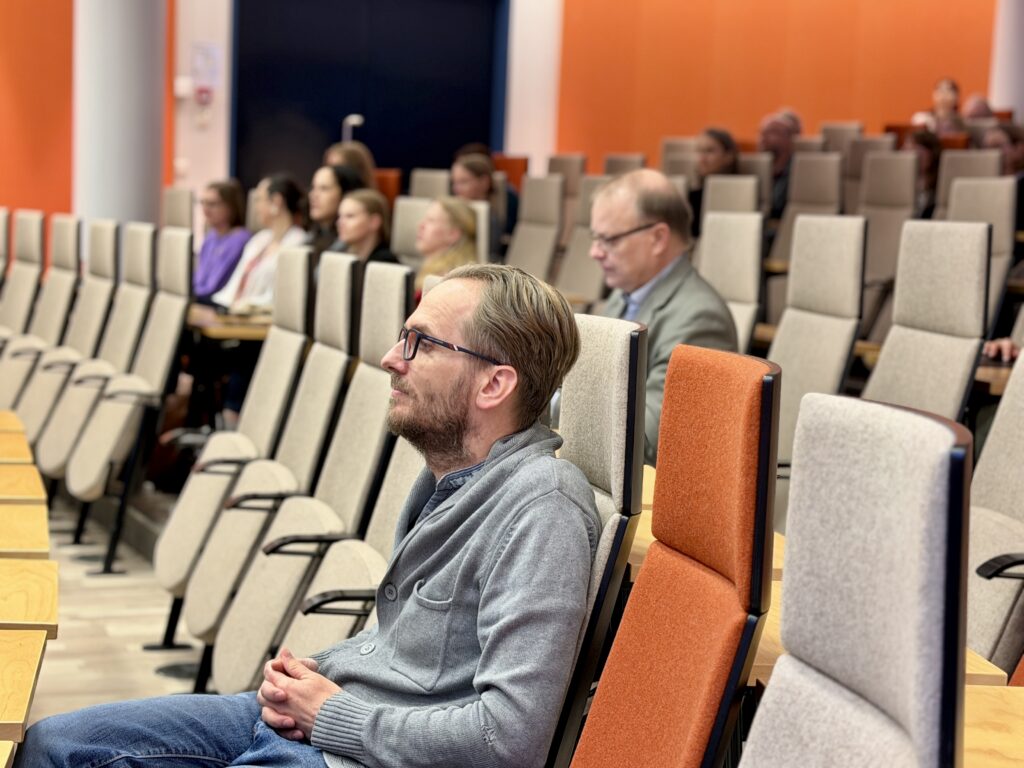
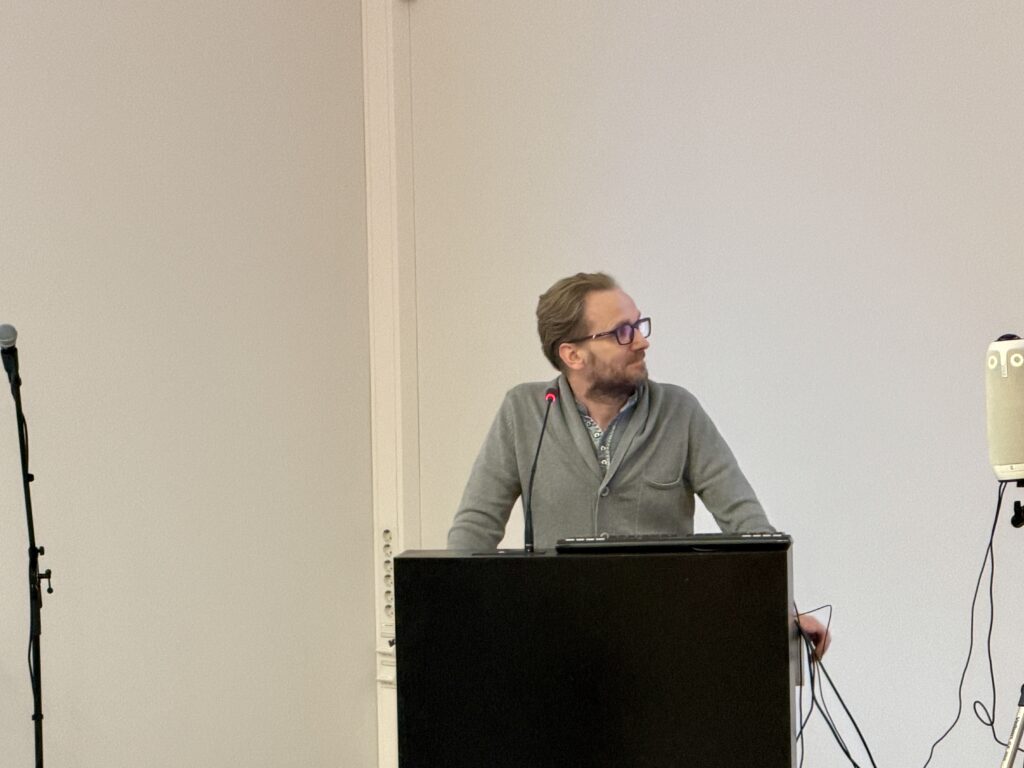
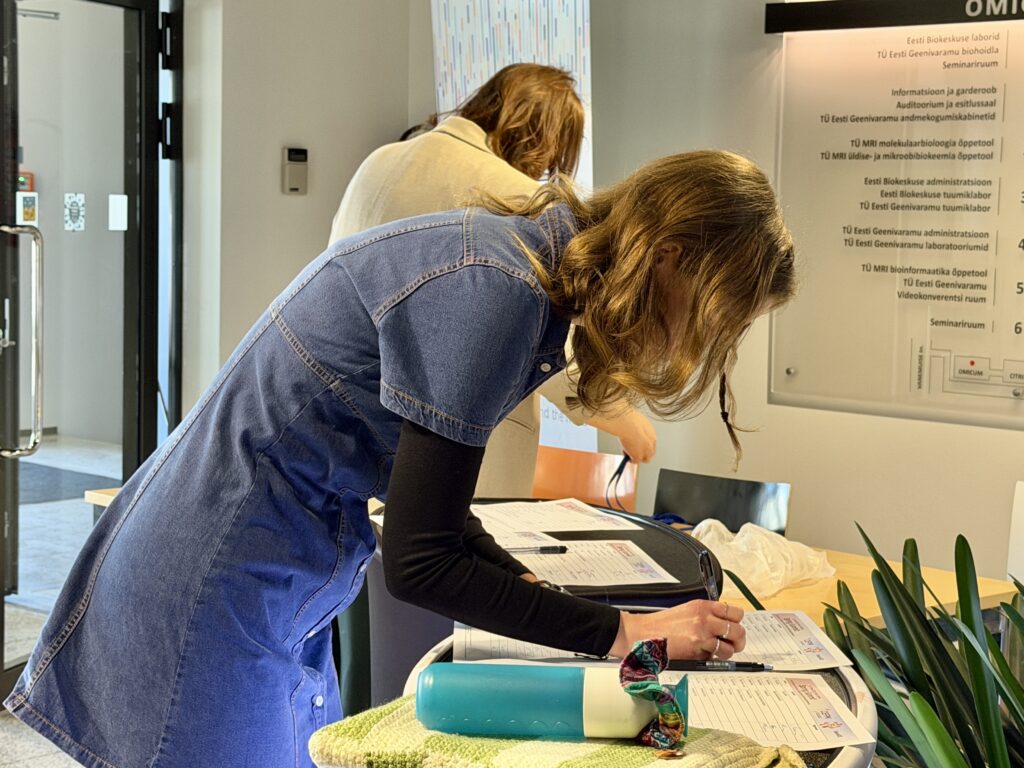
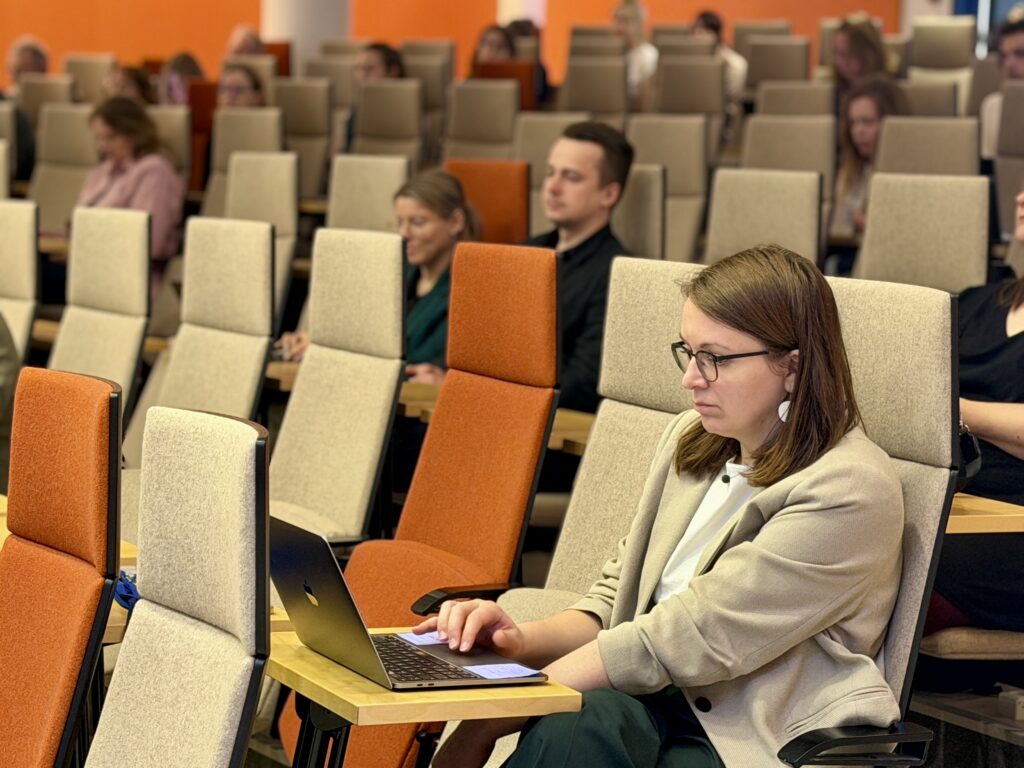
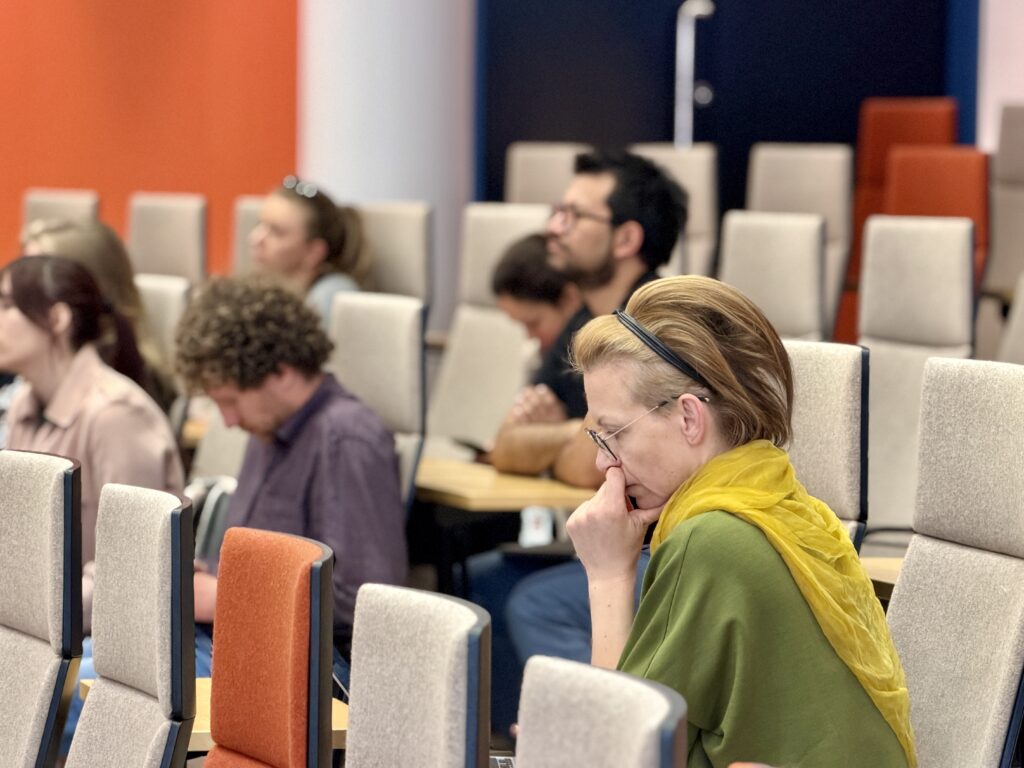
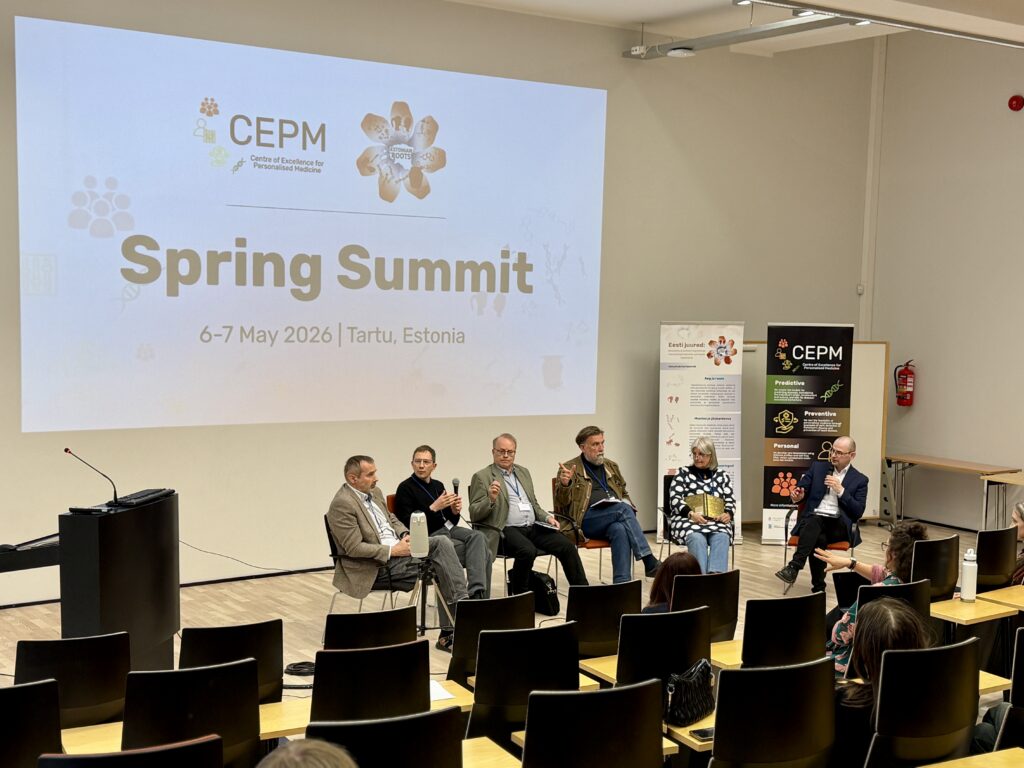
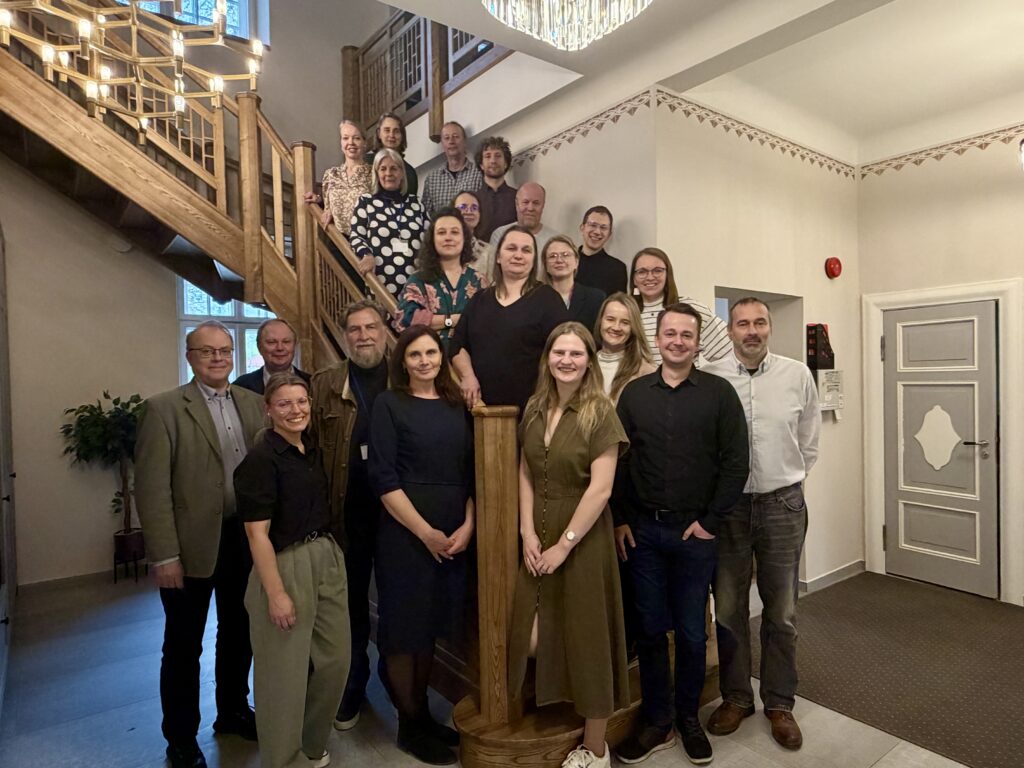
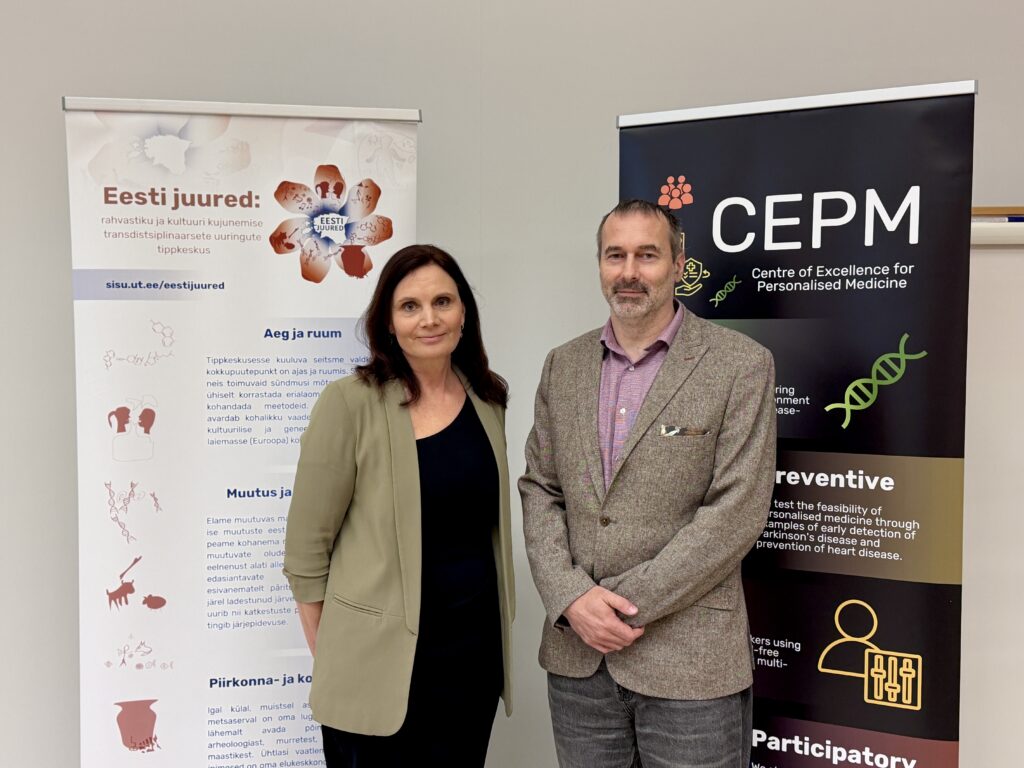
On 6–7 May 2026, Tartu hosted a joint Spring Summit of the Centre of Excellence for transdisciplinary studies on ethnogenesis and cultural diversity“Estonian Roots” and the Centre of Excellence in Personalised Medicine. The event brought together researchers, members of the centres’ international scientific advisory boards, and partners to share recent scientific results and discuss new directions in the development of top‑level research in Estonia.
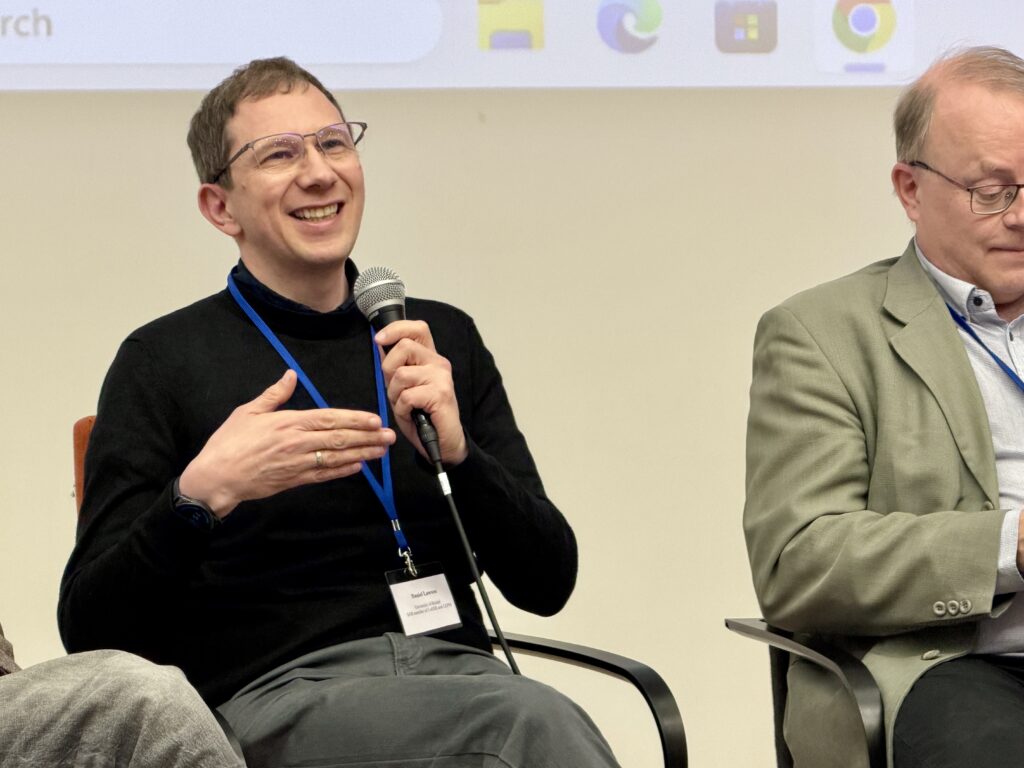
The two‑day event offered insightful presentations, inspiring discussions, and opportunities for interdisciplinary collaboration, reaffirming the important role of both centres on the international research landscape.
The summit was preceded by a practical workshop on 5 May, where Professor Daniel Lawson, a data science expert from the University of Bristol, focused on genetic ancestry analysis, the integration of ancient DNA and biobank datasets, and the links between genetic ancestry and immunity. The seminar provided participants with an opportunity to delve into methodologies that support the research directions of both centres of excellence.
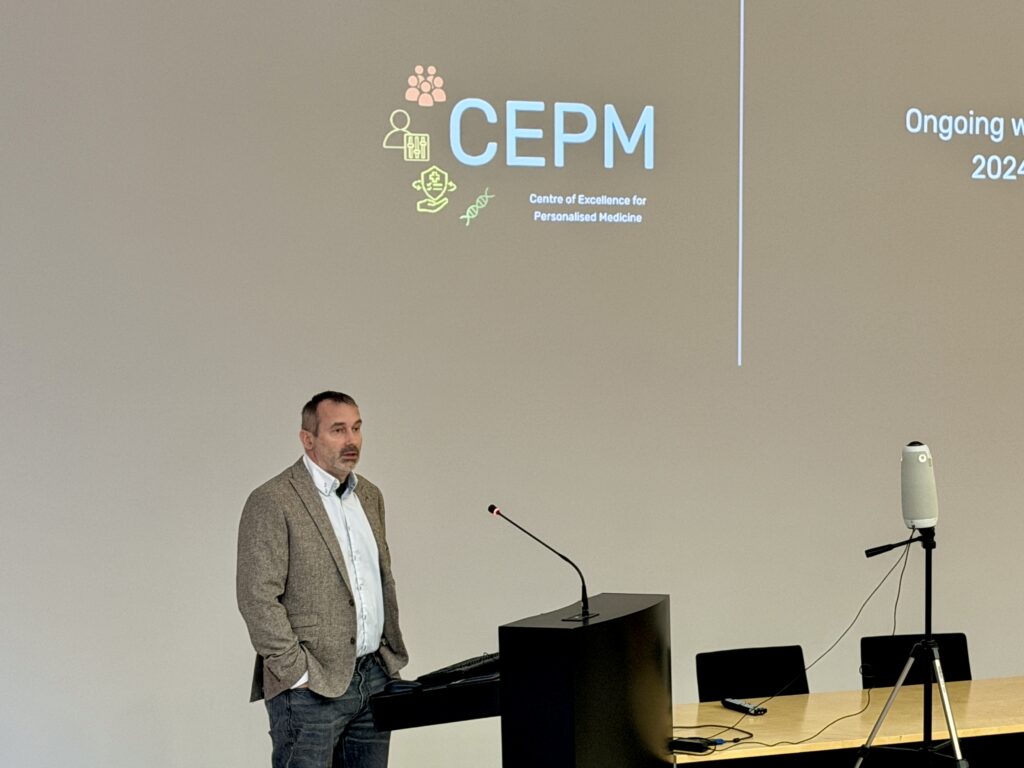
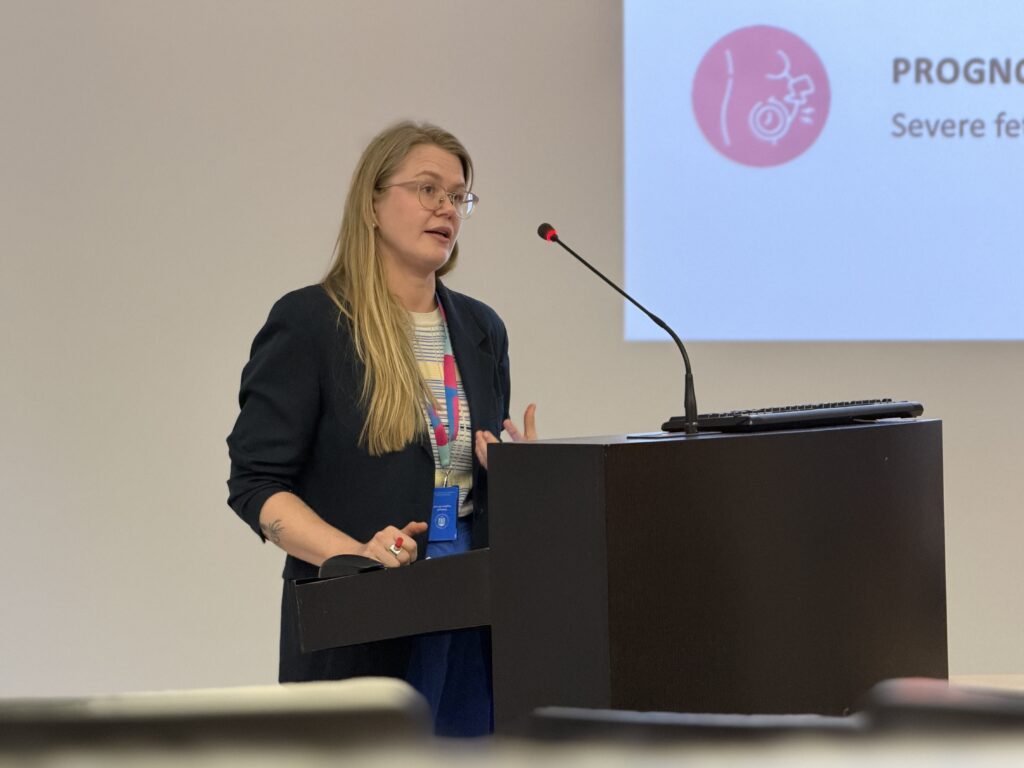
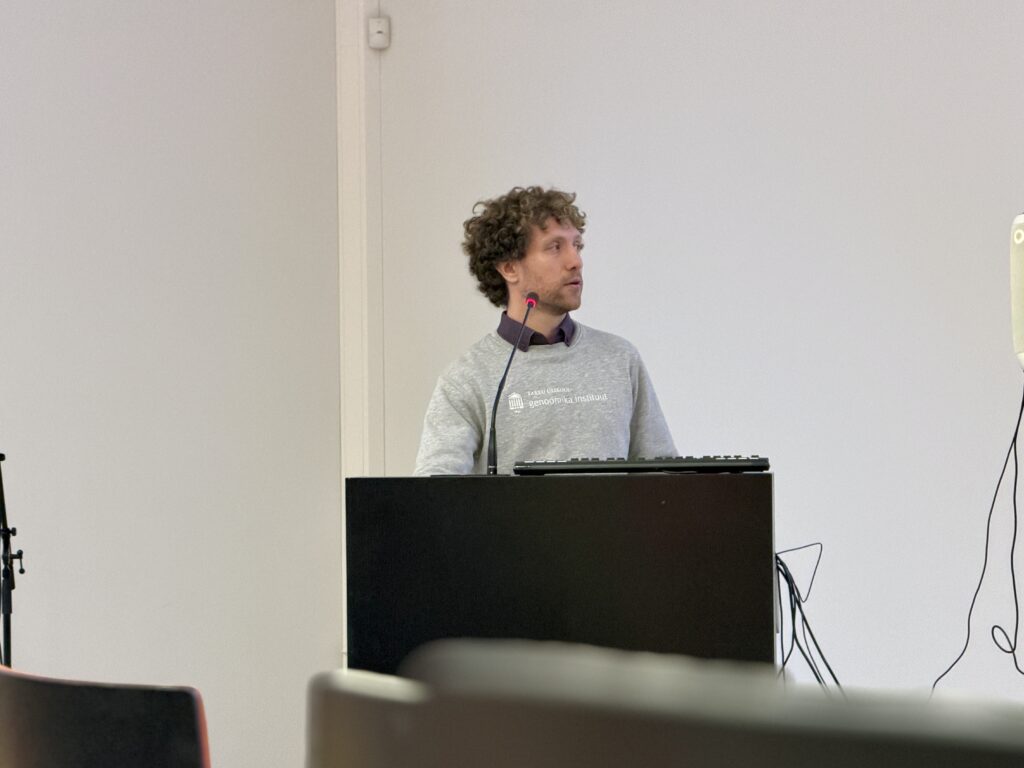
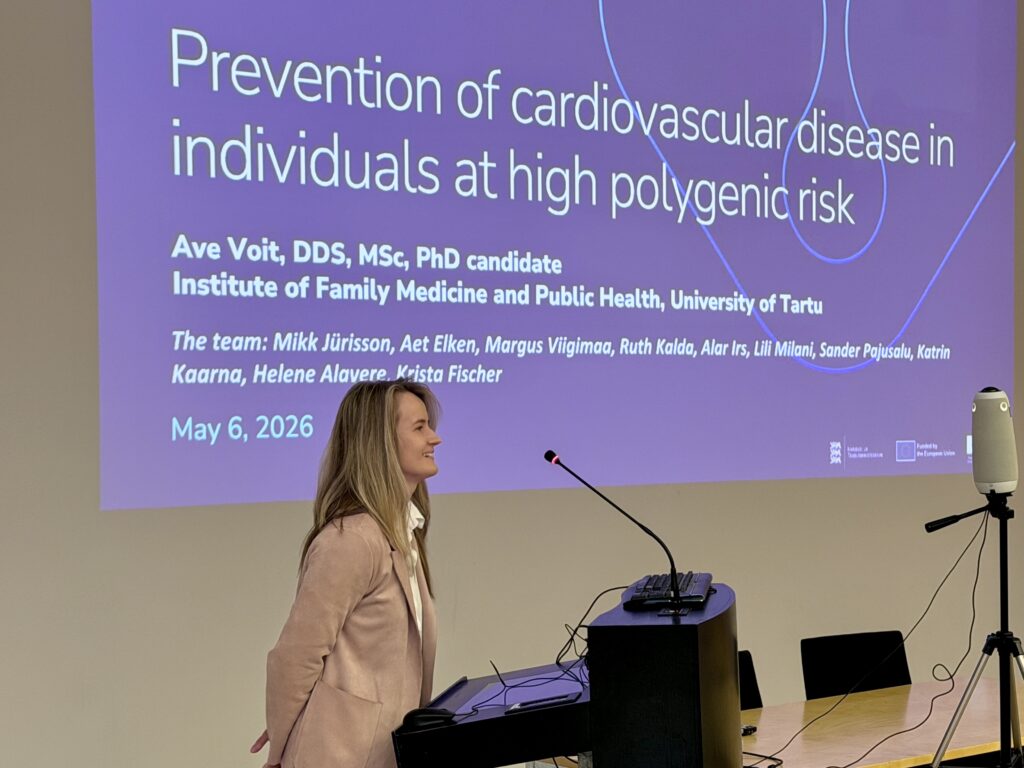
The first day of the Spring Summit began with an overview of the research carried out at the Centre of Excellence in Personalised Medicine. Presentations highlighted progress in biomarker development, early disease detection, sex‑specific differences, personalised reproductive technologies, and the role of genetic factors in the health of the Estonian population. Prevention of cardiovascular disease among individuals with a high polygenic risk score was also discussed.
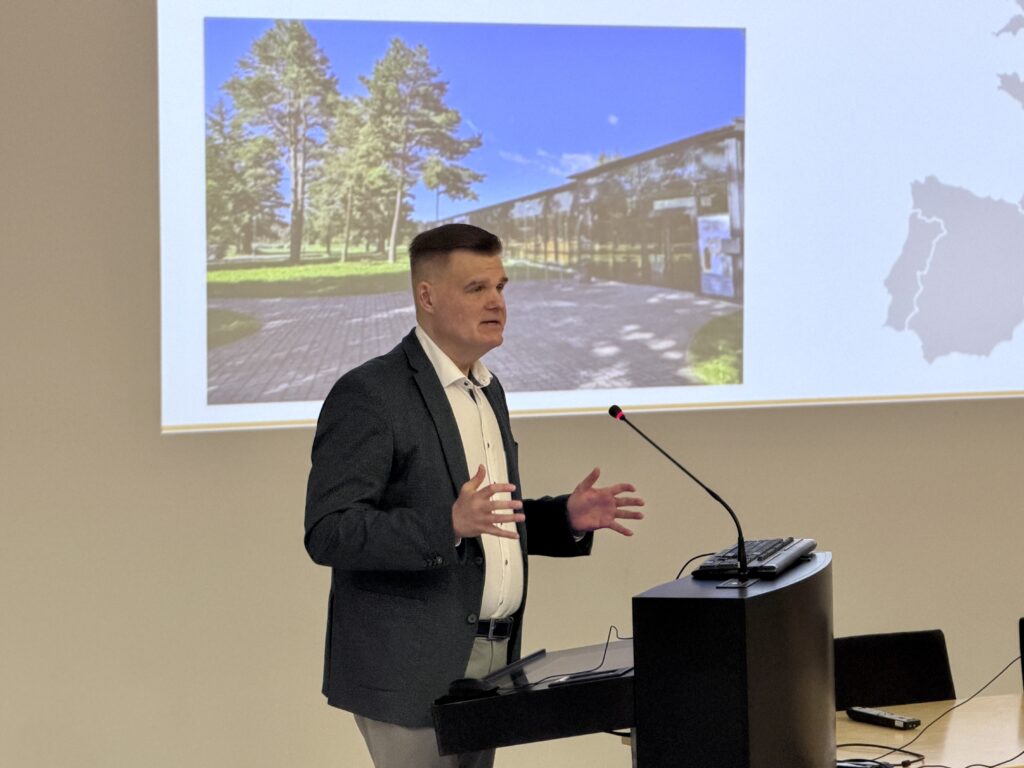
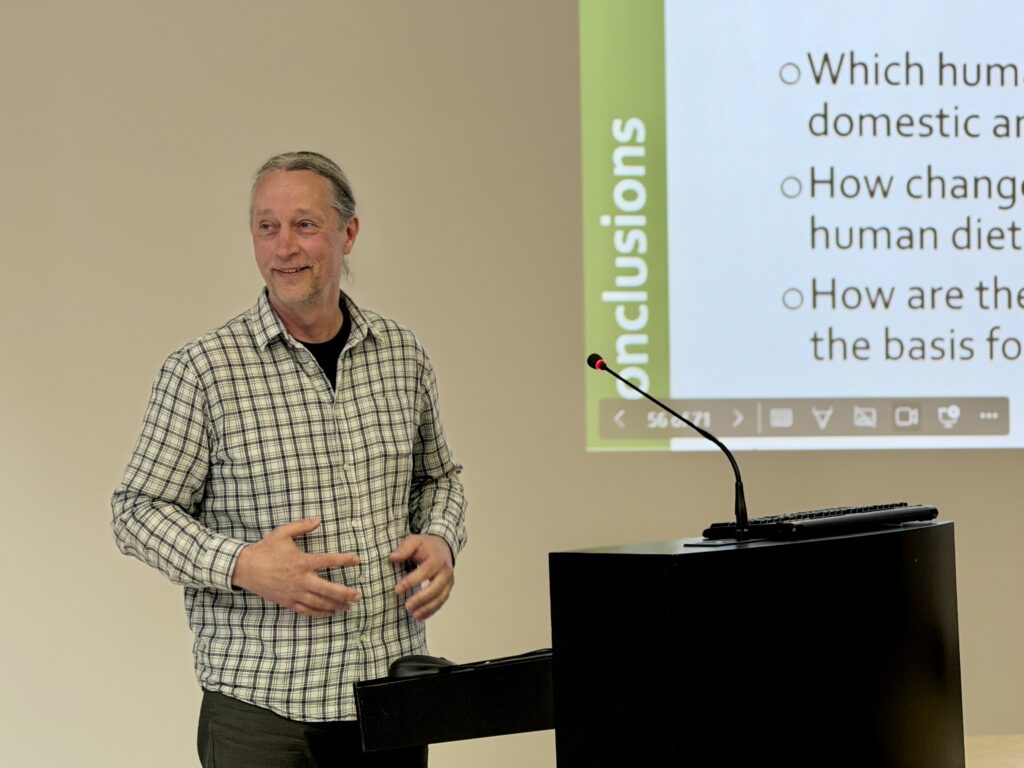
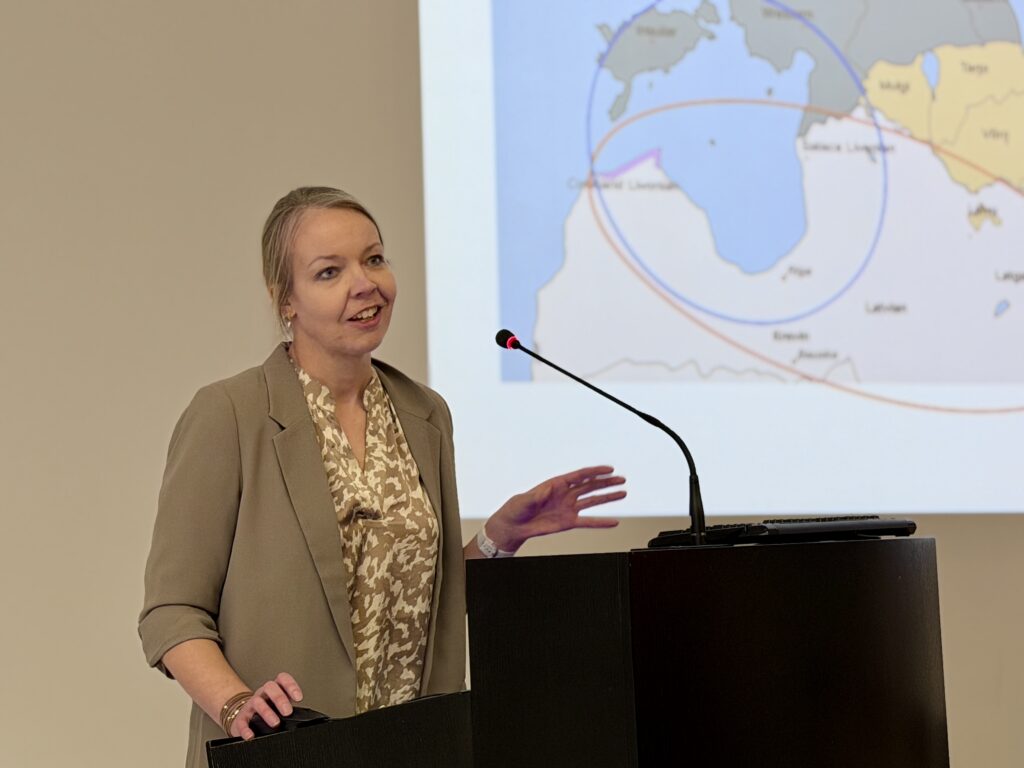
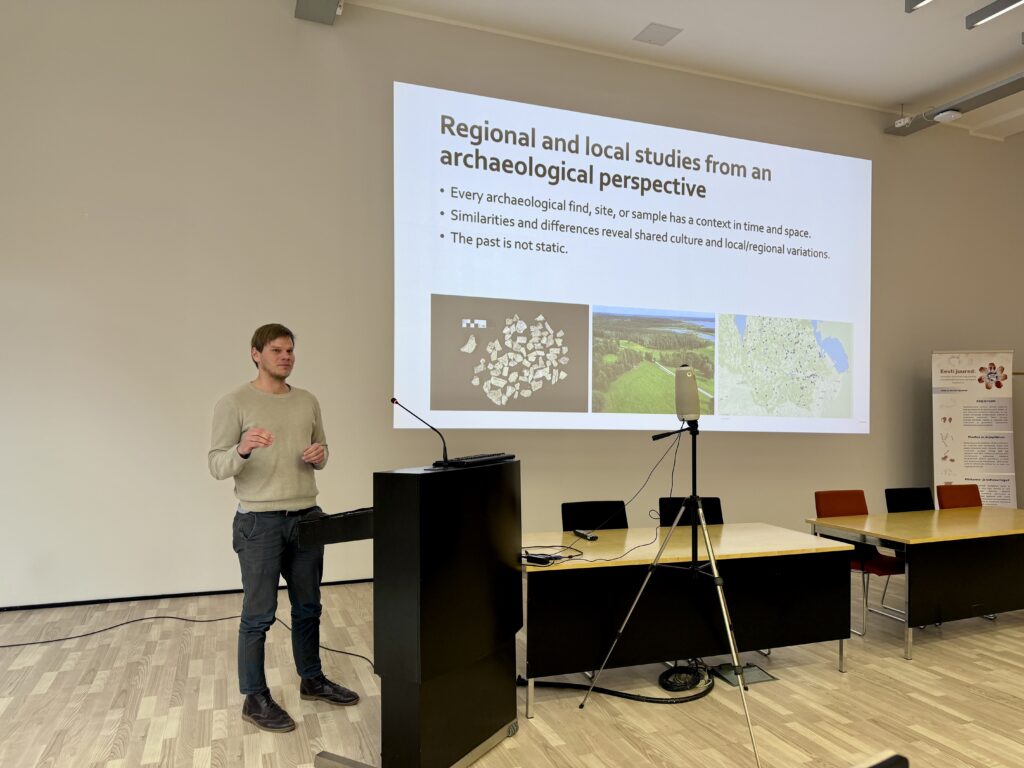
In the afternoon, an overview of the research directions of the “Estonian Roots” was given. Presentations explained how researchers in the natural sciences and humanities have achieved uniquely broad collaboration in Estonia, how shared research questions have emerged in studying past events and the genetic and cultural formation of our region, and how different fields – genetics, archaeology, folkloristics, linguistics, and environmental science – contribute to answering these questions.
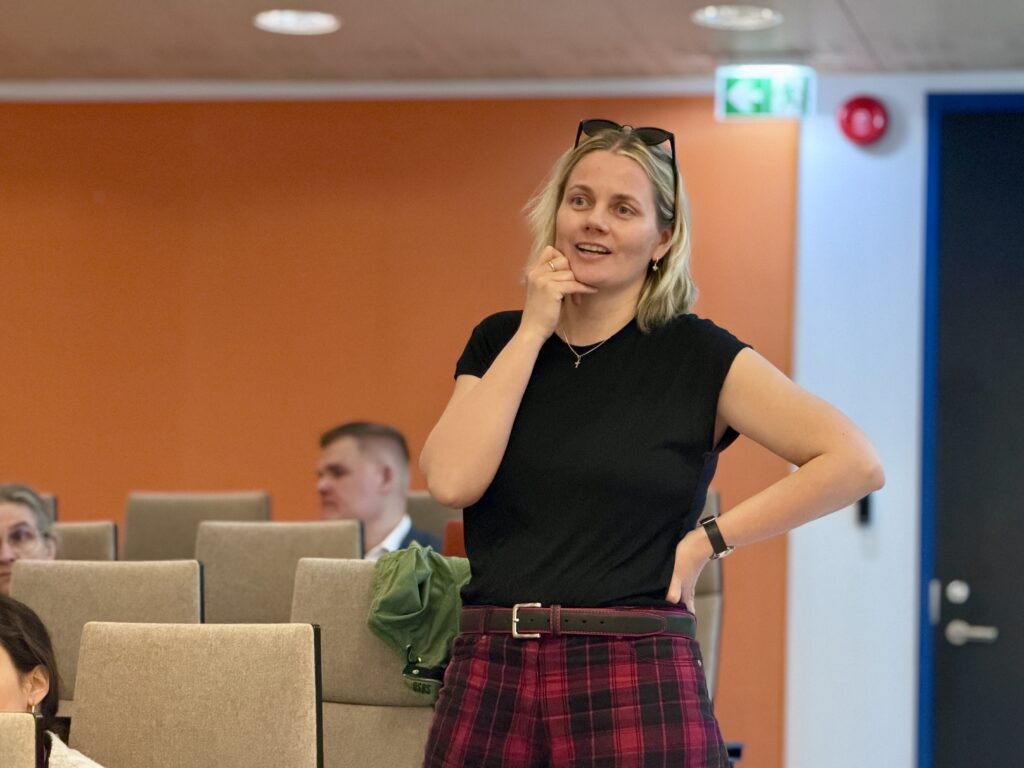
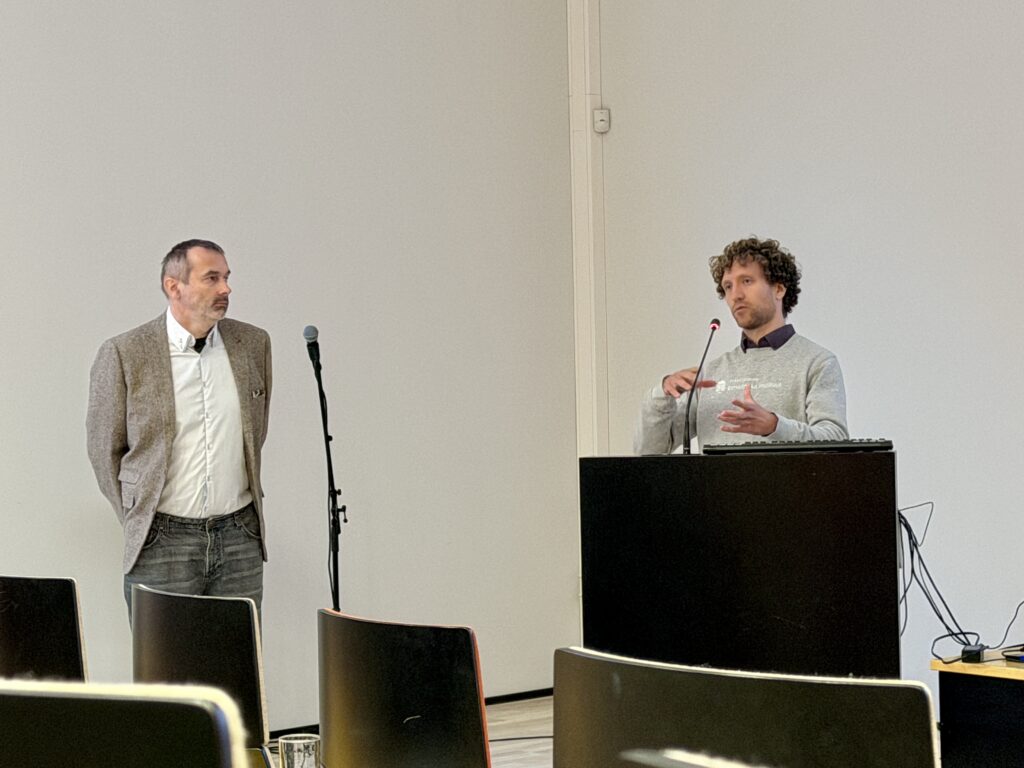
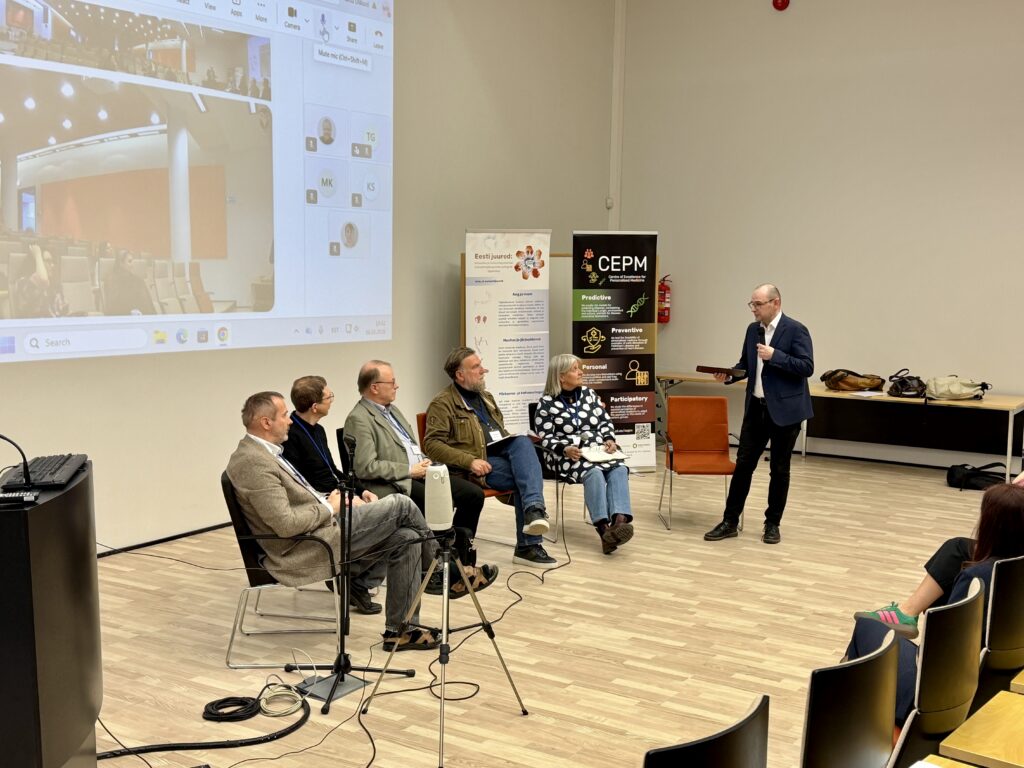
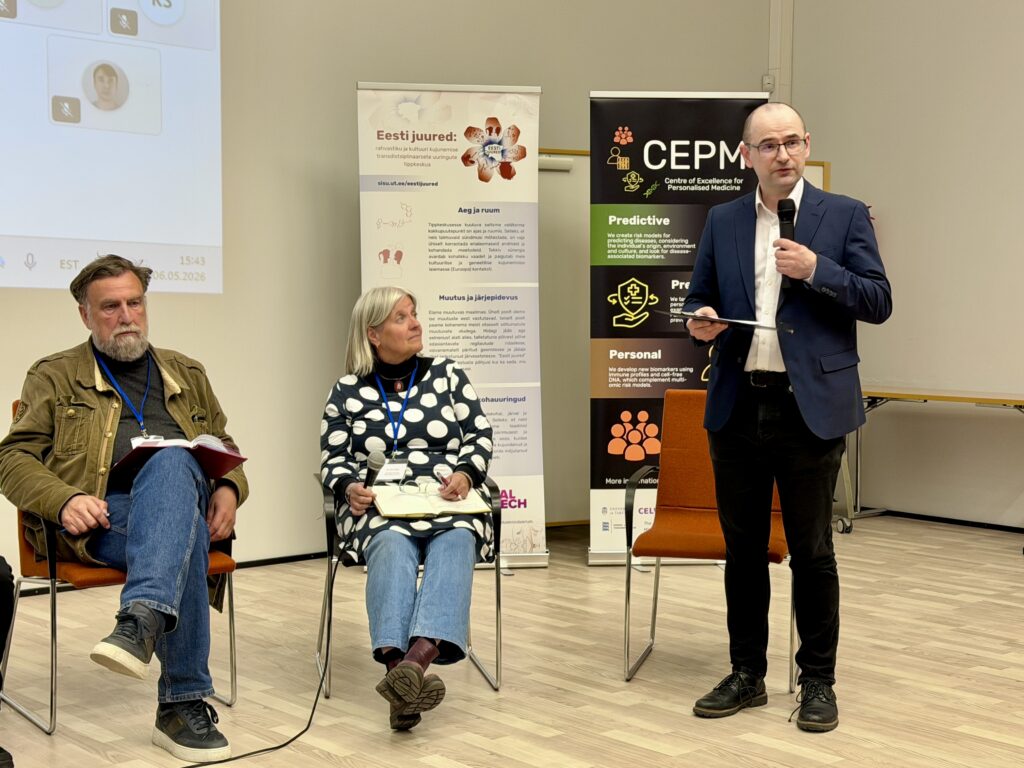
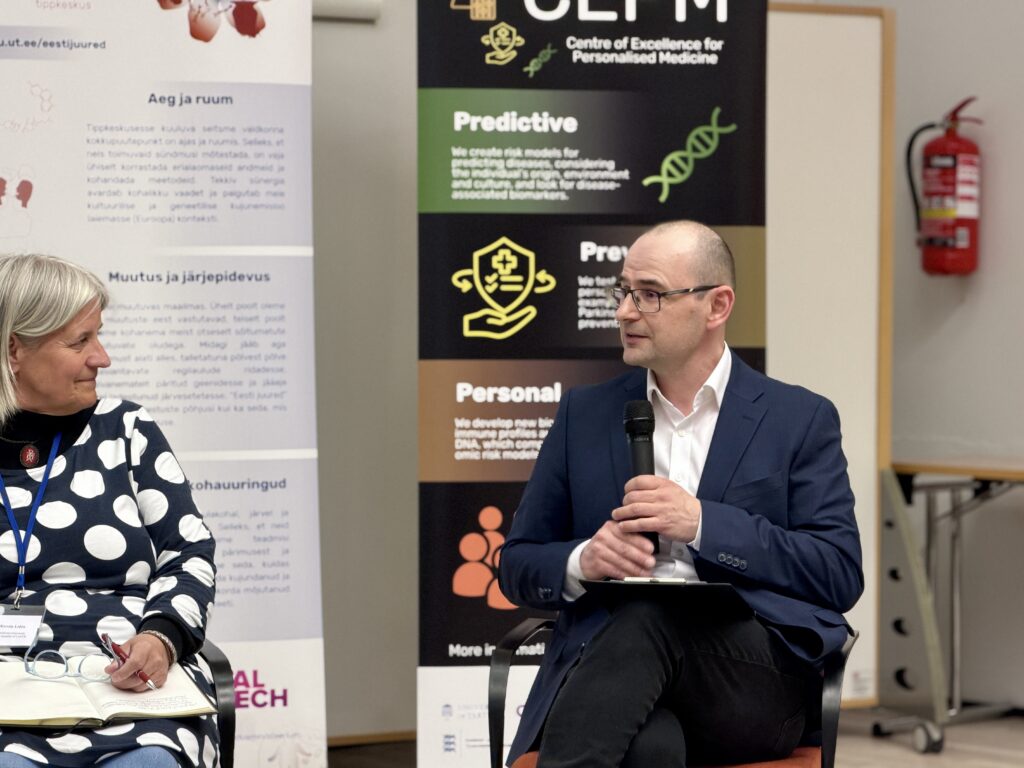
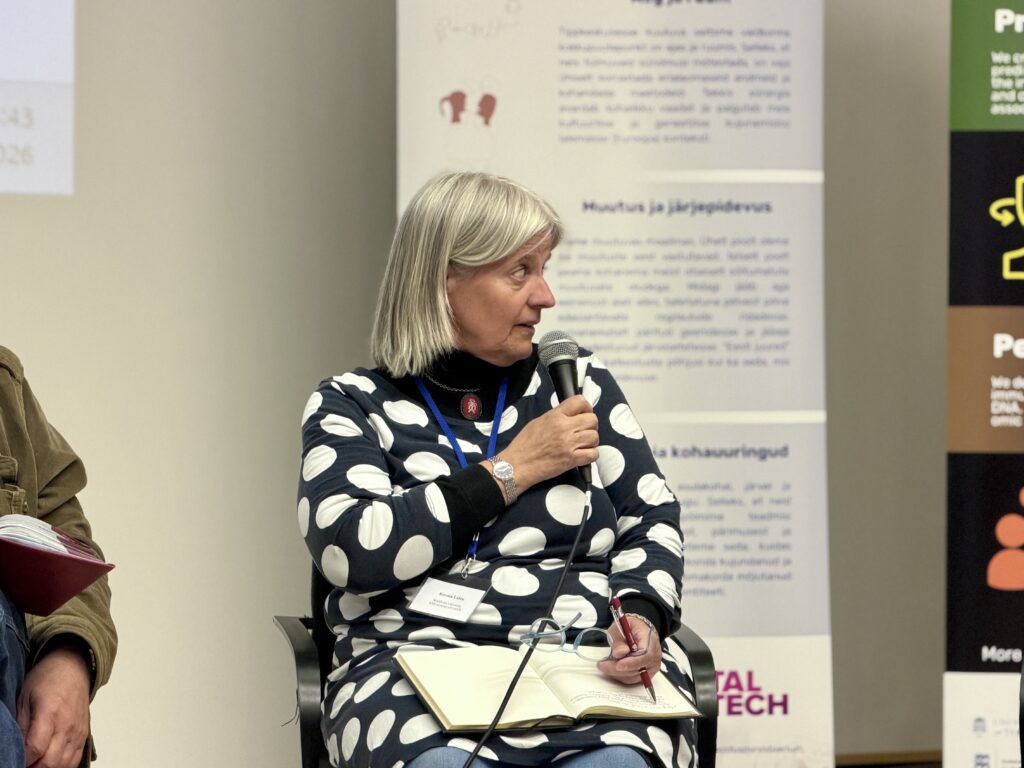
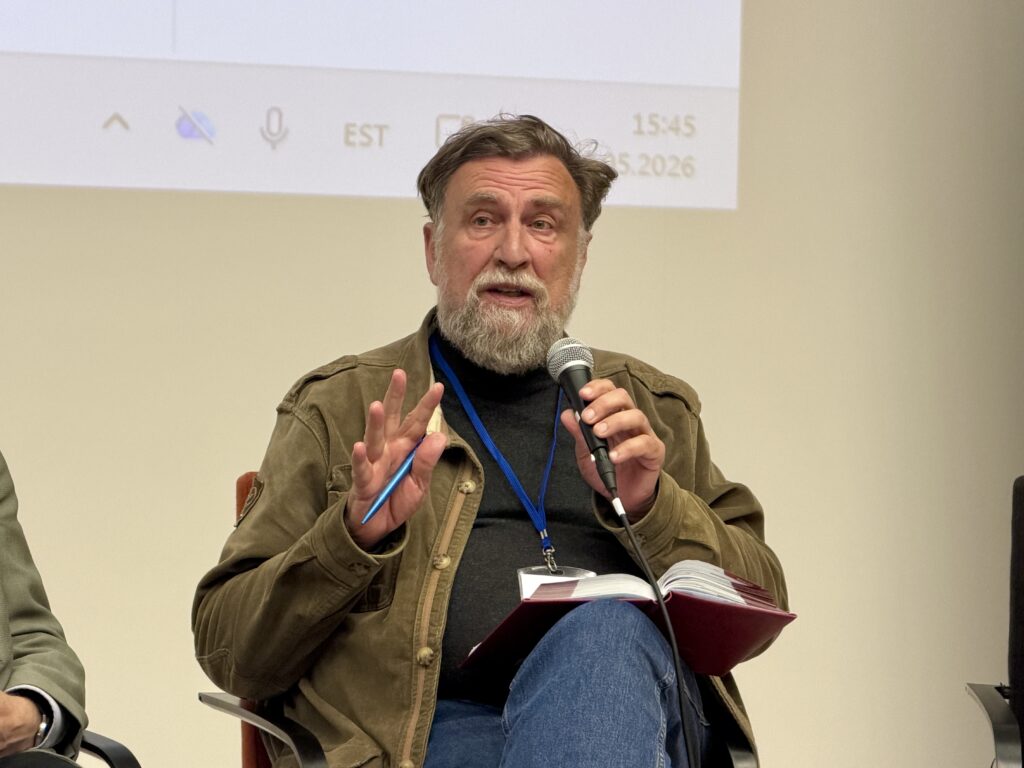
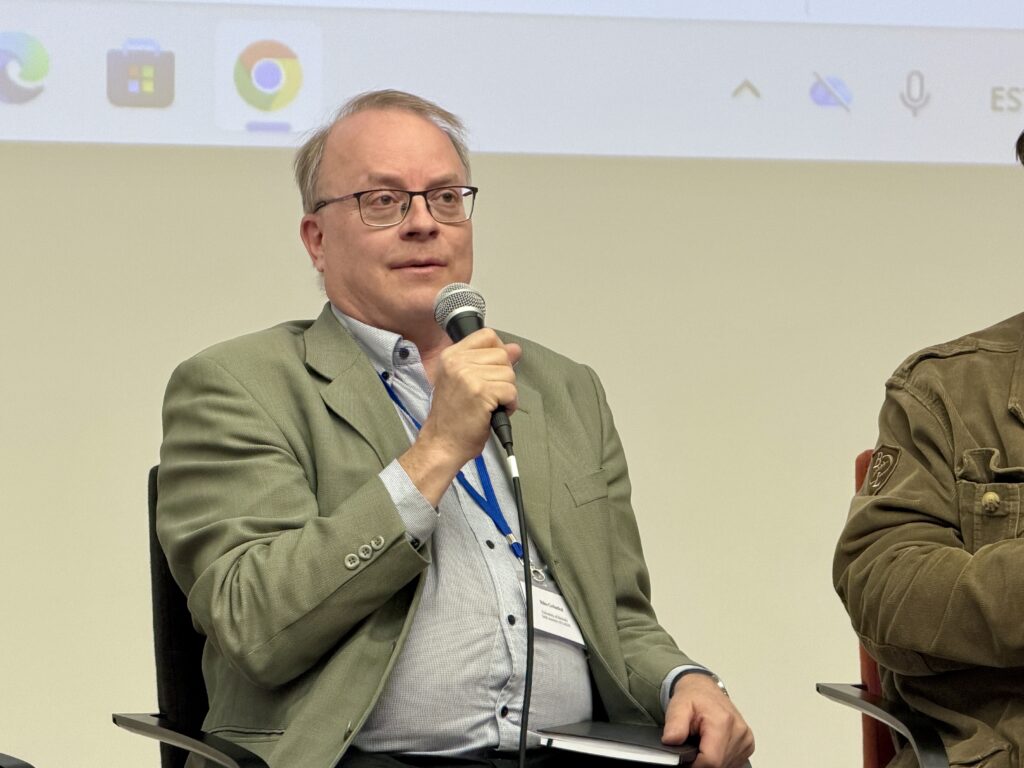
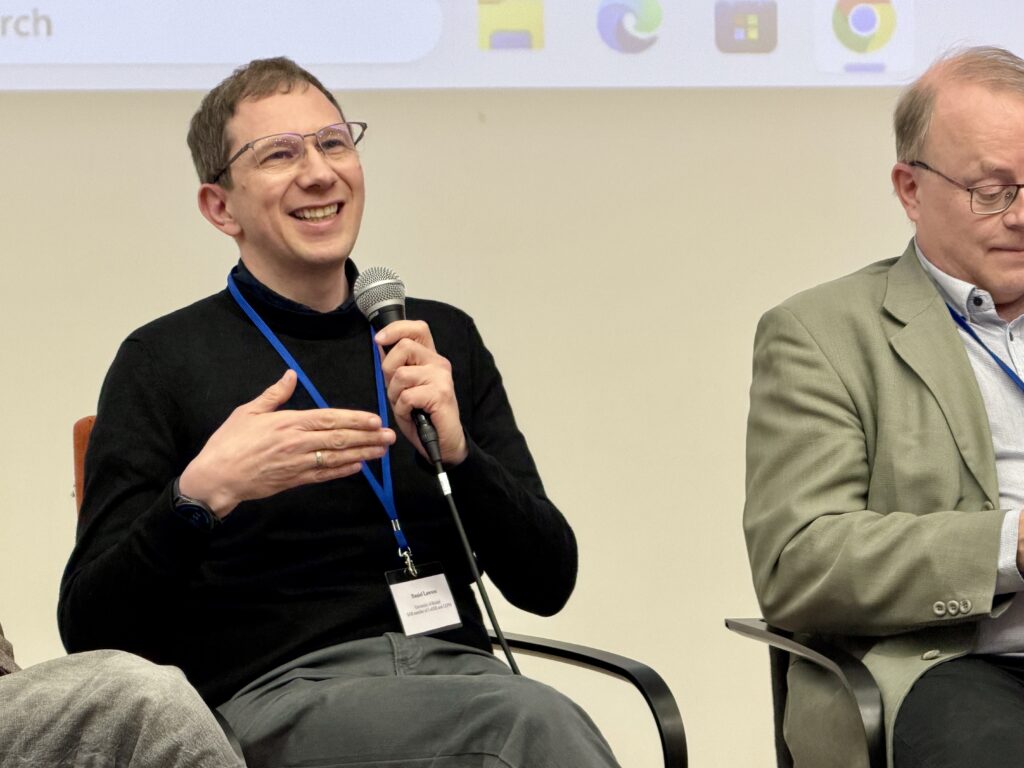
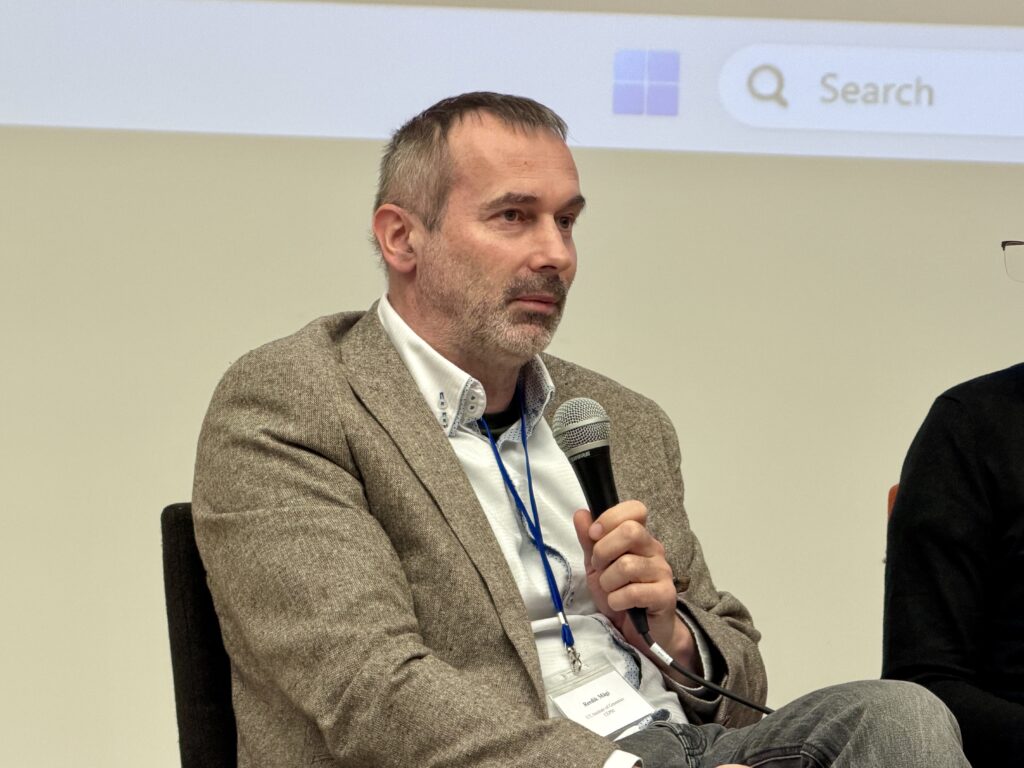
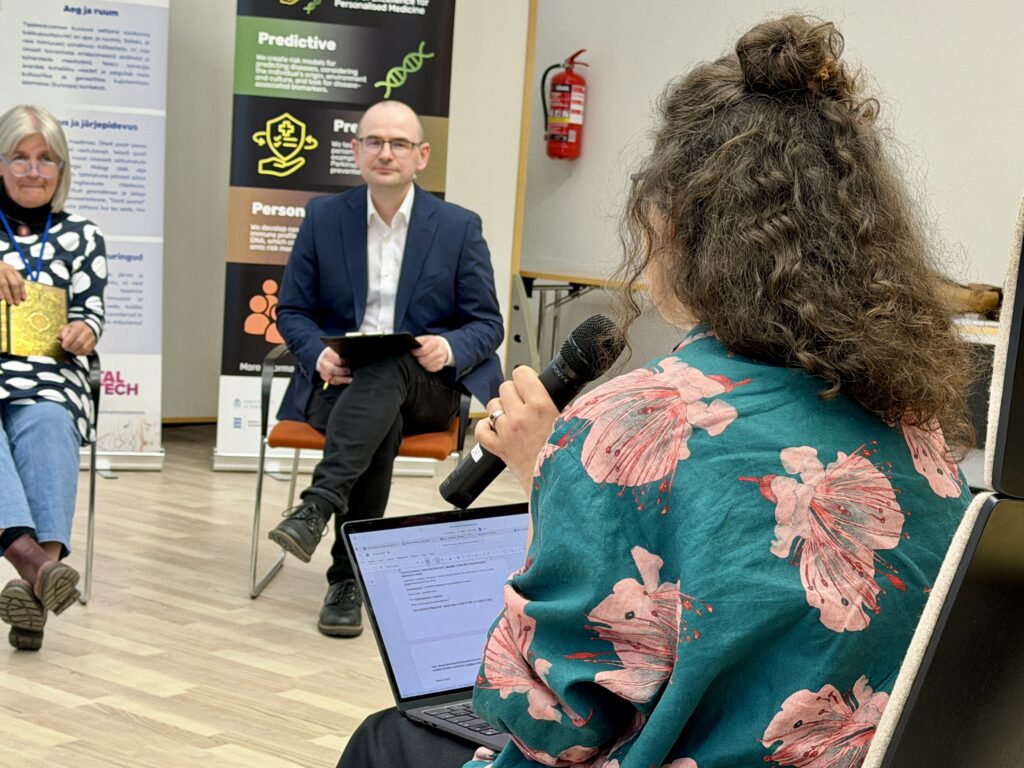
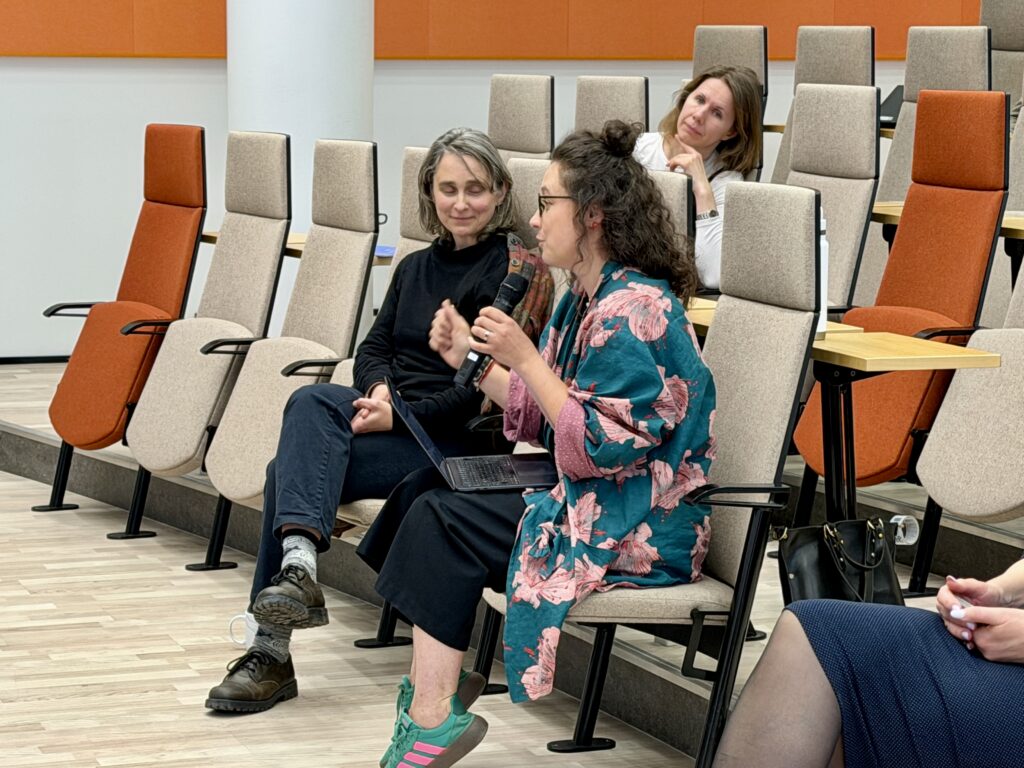
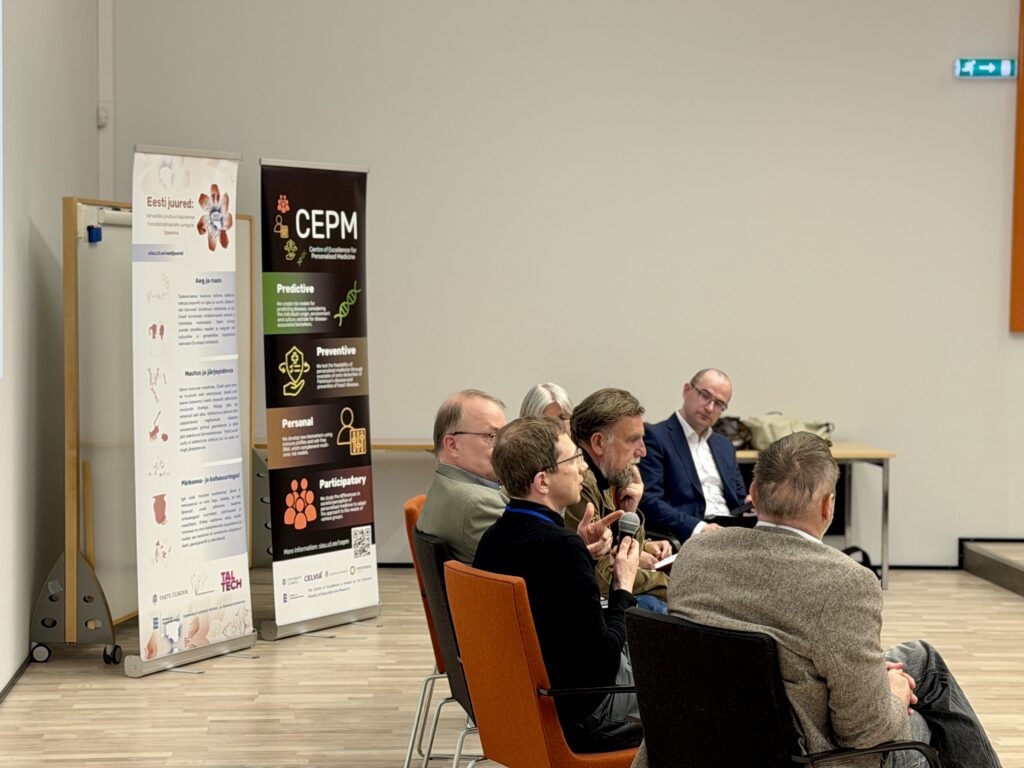
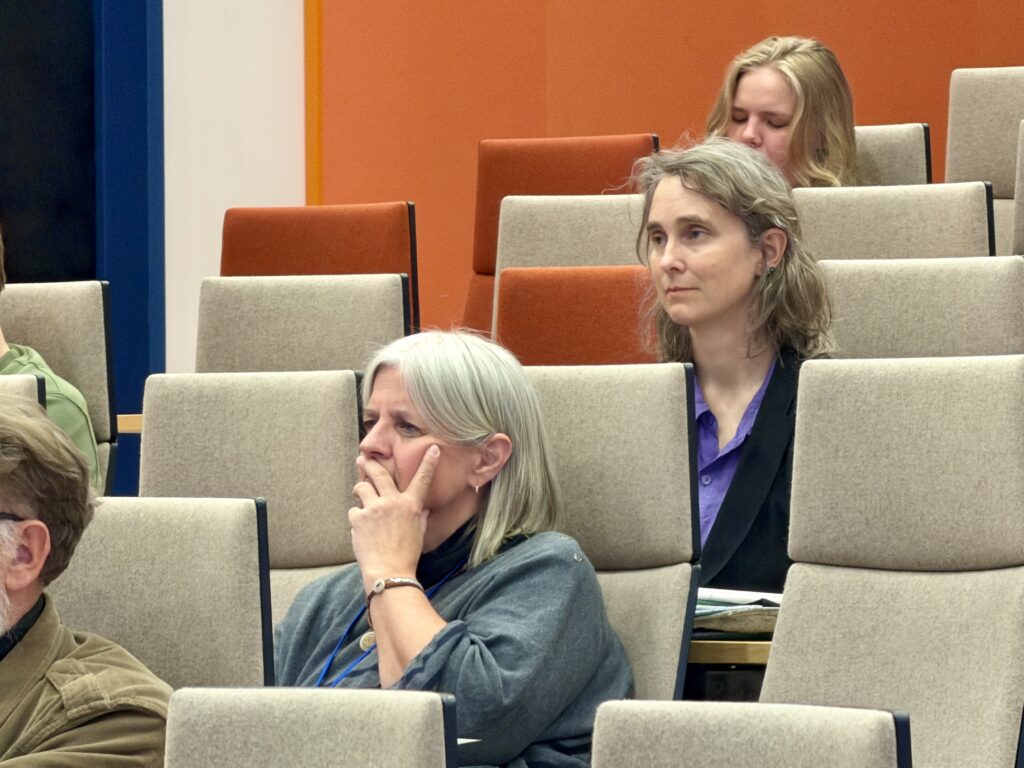
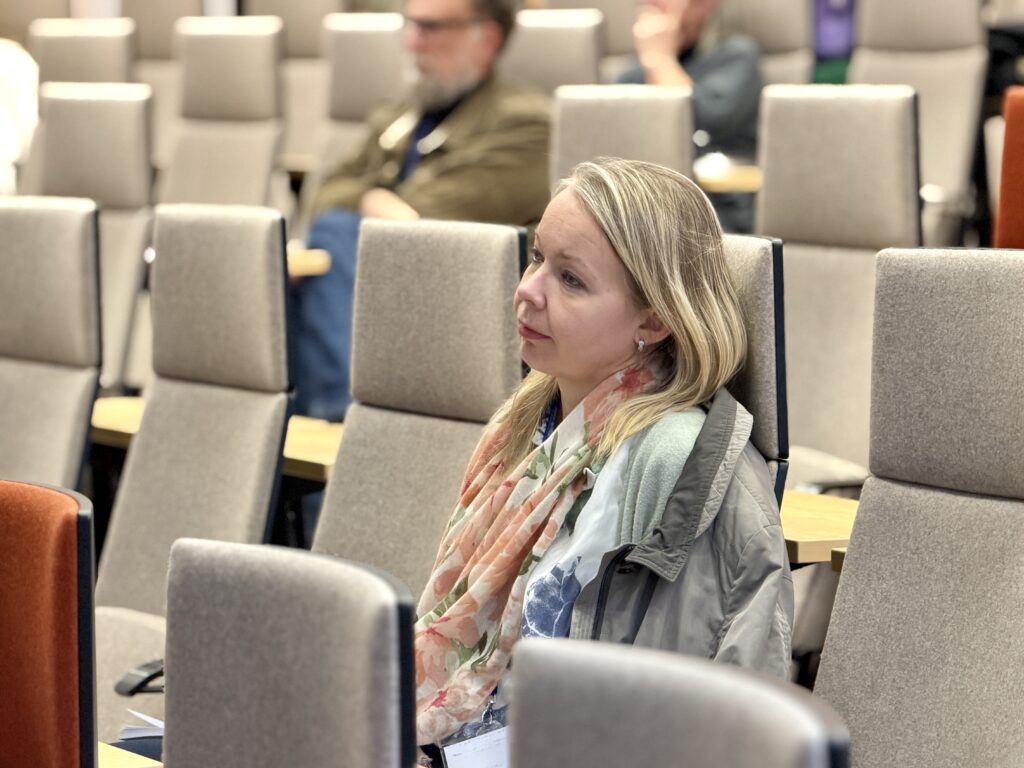
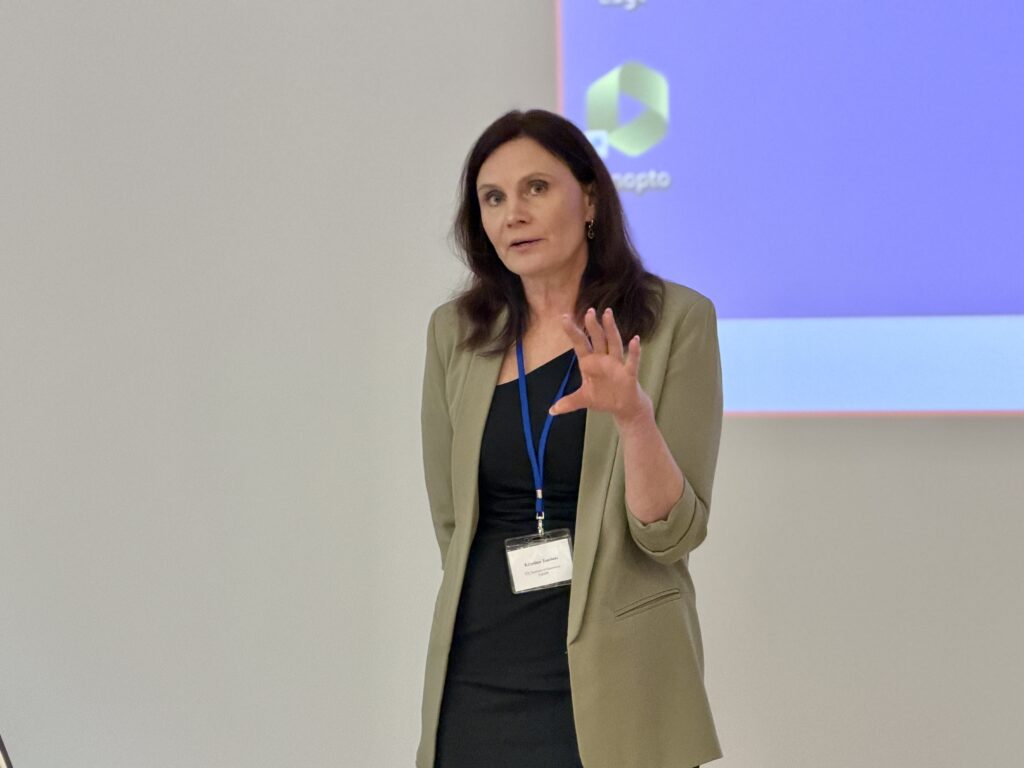
The day concluded with a lively panel discussion on the role, opportunities, and challenges of cross‑disciplinary collaboration in achieving scientific results and contributing to society. The discussion was moderated by University of Tartu Professor Asko Lõhmus and featured members of the centres’ scientific advisory boards from Lithuania, Finland, Sweden, and the United Kingdom, who added an international perspective to the Estonian experience. The panel agreed that although it is much easier to work within one’s own discipline, ideas born through collaboration offer science vastly greater opportunities for new shared directions and discoveries.
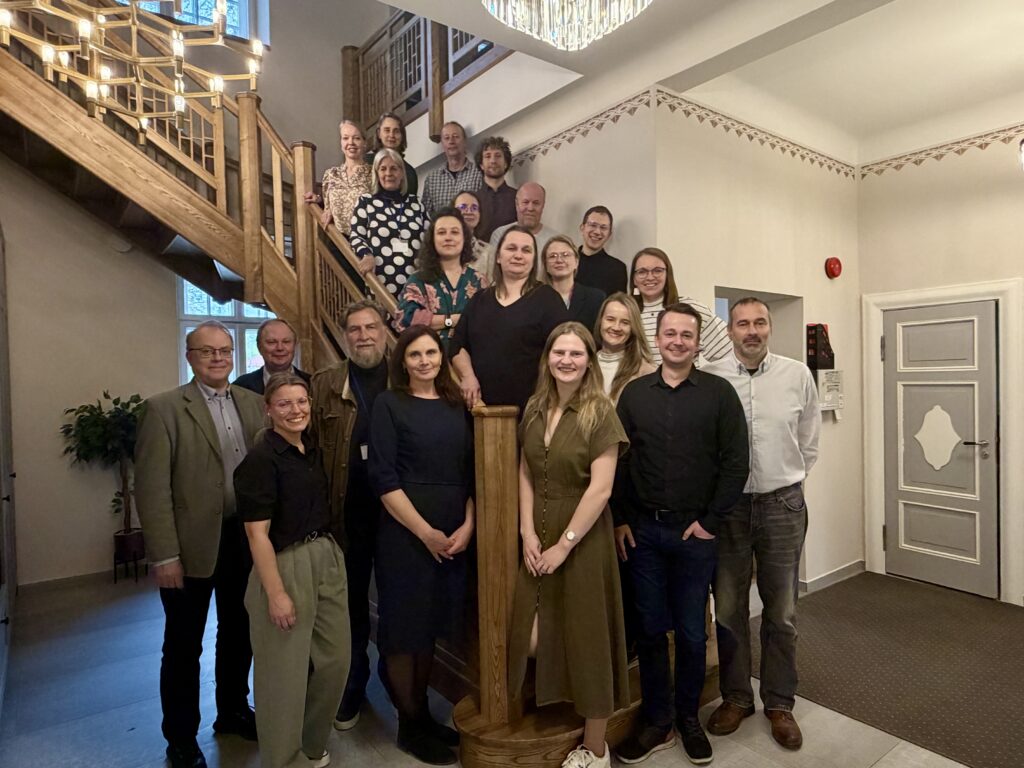
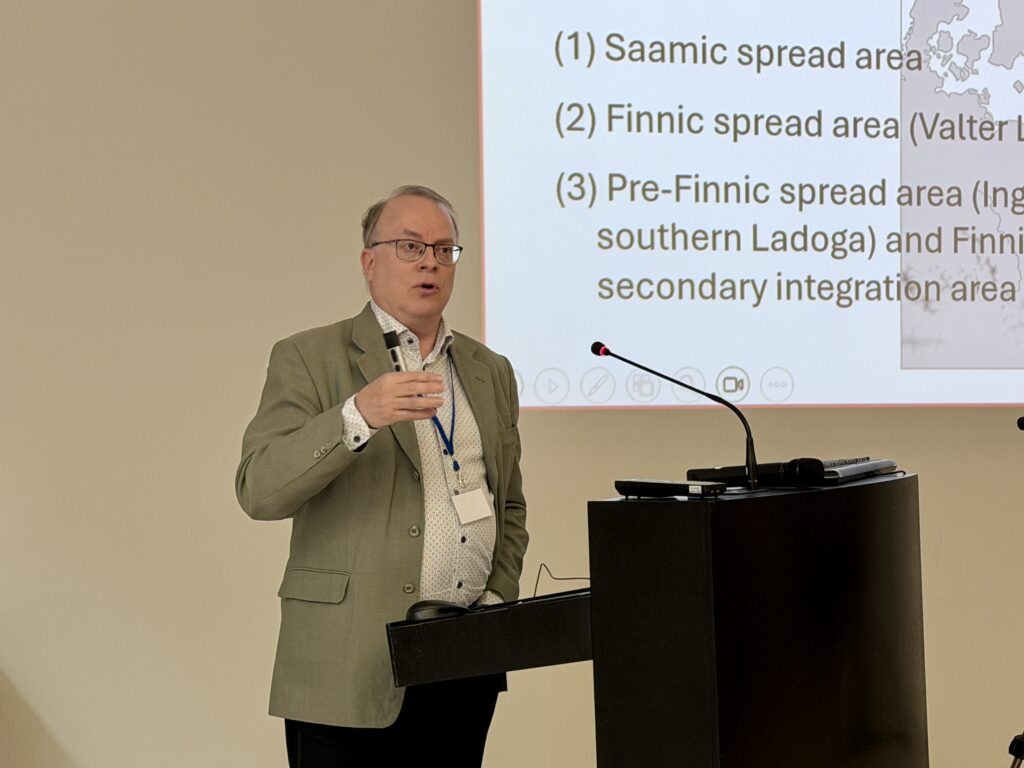
The second day of the Spring Summit featured presentations by members of the international scientific advisory boards, offering new perspectives on evolutionary biology, disease heterogeneity, climate reconstruction, bioarchaeology, and the study of social and cultural change. Topics ranged from evolution and biomarker refinement to analyses of early medieval crises and conflicts in Scandinavia. The day ended with concluding remarks and a discussion on future collaboration opportunities.
The Spring Summit highlighted the growing importance of interdisciplinary research and provided participants with a valuable platform for knowledge exchange and the emergence of new ideas. The event confirmed that both centres of excellence continue to strengthen the international competitiveness of Estonian science and contribute to addressing key societal and scientific challenges.